
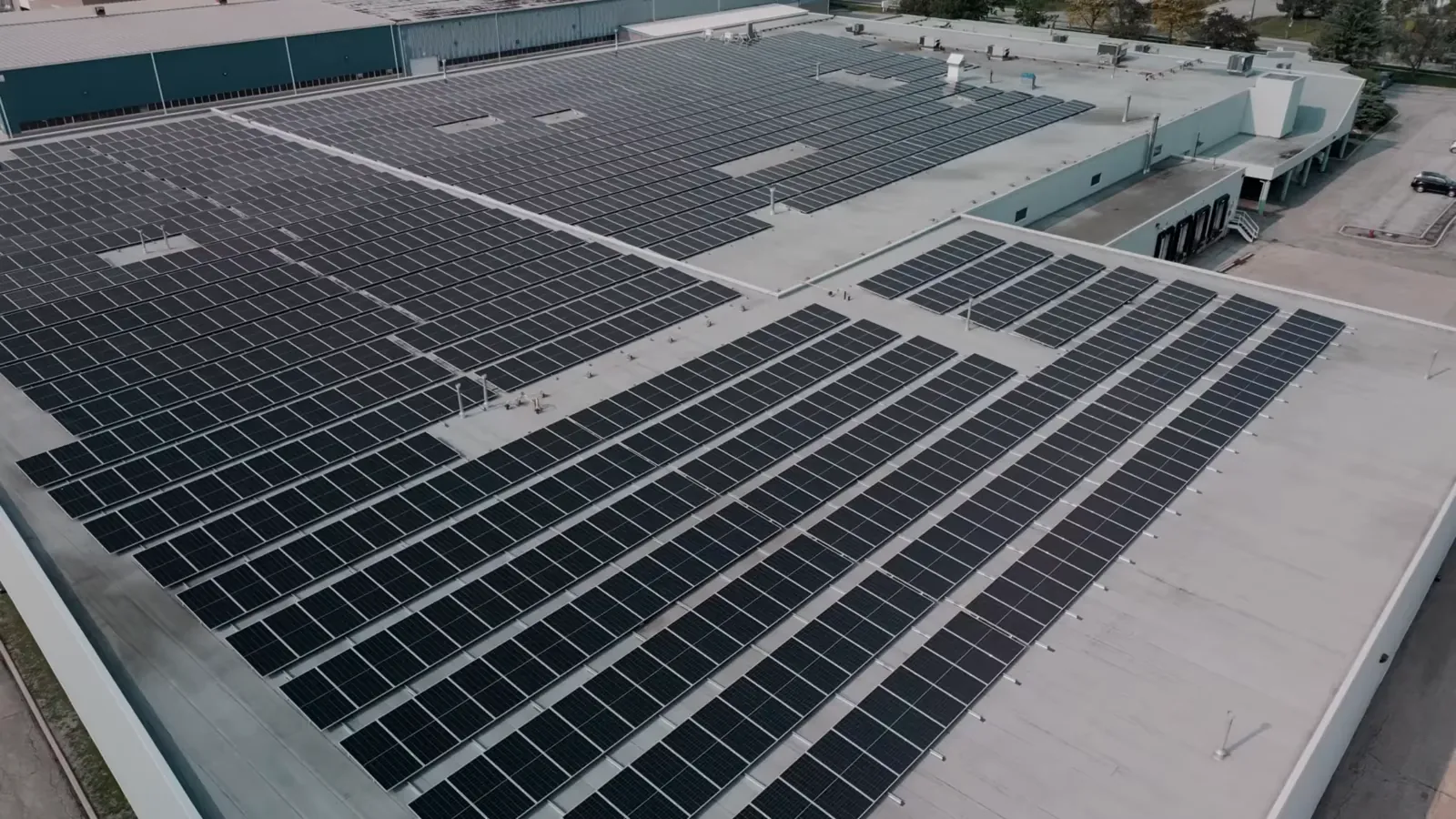
Commercial solar is long-term cost control- not just electricity.
Commercial solar lowers operating costs, improves property economics, captures available incentives, and stabilizes long-term electricity pricing. Integrated with energy audits, efficiency measures, and battery storage, it helps facilities build a more resilient and cost-effective energy strategy while reducing Scope 2 emissions.
Generate electricity at a predictable long-term cost.
Commercial rooftop solar can deliver levelized electricity costs as low as $0.04/kWh over the life of the system — compared to commercial utility rates that can exceed $0.20/kWh all-in.
Turn utility spend into property value.
Every dollar not paid to the utility improves Net Operating Income and increases asset value — converting a recurring expense into a long-term operating asset.
Reduce project costs with available funding.
Commercial solar projects may qualify for utility incentives, tax credits, and accelerated depreciation programs that can significantly reduce upfront capital requirements and improve project economics. Many projects can recover a substantial portion of costs through available funding programs.
Lower building emissions with on-site generation.
Commercial solar directly reduces Scope 2 emissions while supporting ESG reporting, procurement requirements, and long-term decarbonization targets.
Green Integrations assesses, designs, engineers, installs, and operates commercial rooftop solar systems for commercial and industrial facilities across Canada.

Pay it back in three to six.
Run it for thirty.
Commercial rooftop solar economics, shown with real results from completed GI installations.
System pays for itself through generation and incentives.
Commercial-grade panels generating into year thirty — roughly two-and-a-half decades of electricity after payback.
Rabba Fine Foods. 1.27 MW rooftop solar.
Food refrigeration and distribution facility, Mississauga, Ontario.
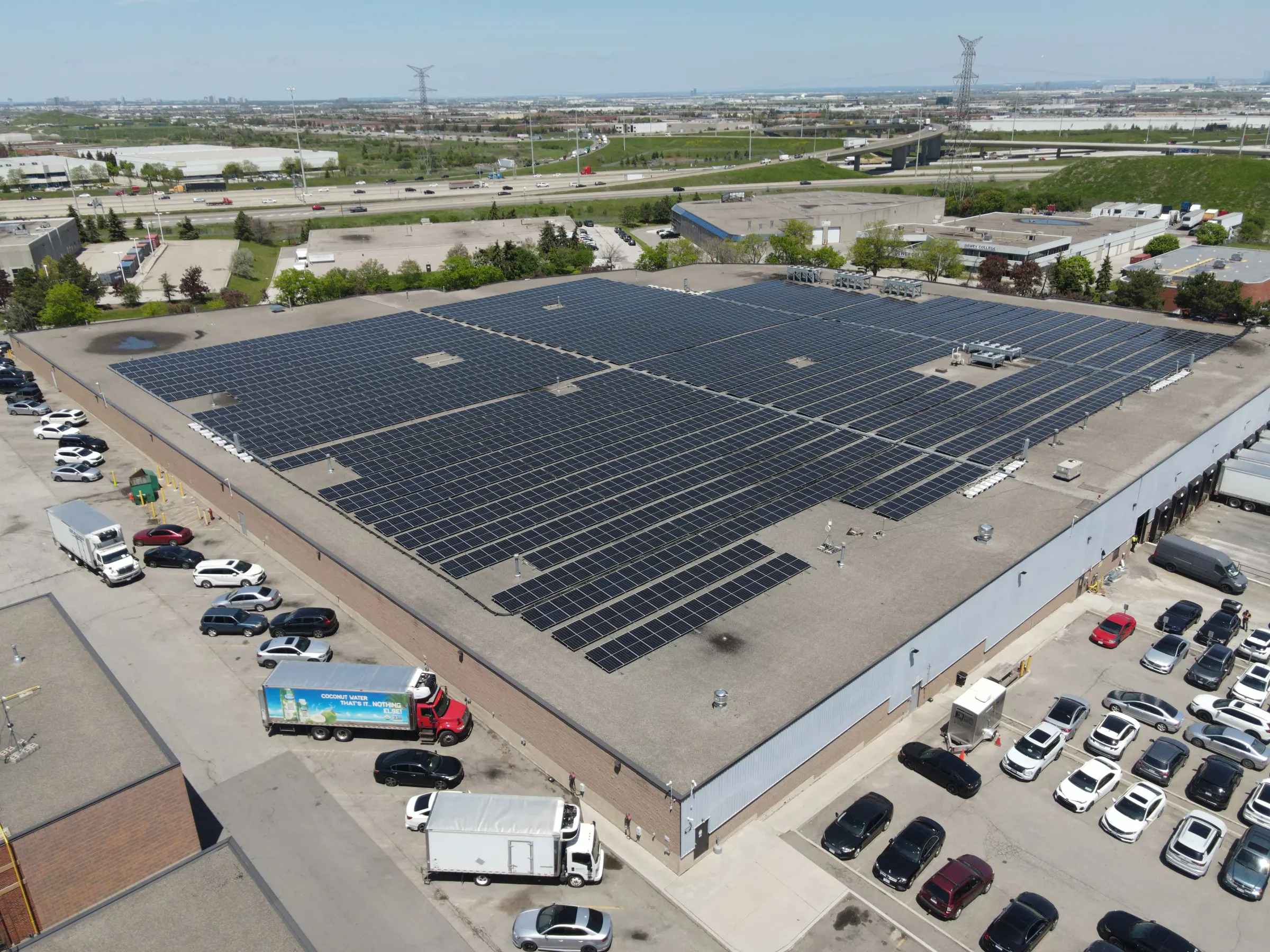
Utility analysis and load profiling established the facility’s consumption pattern and confirmed the capacity available for grid interconnection.
2,374 CSI Solar panels (535W each) designed across the rooftop. System capacity matched to electricity profile and interconnection constraints.
Rooftop installation with TerraGen racking. Fronius USA Symo 24kW inverters. Full ESA inspection and utility interconnection sign-off.
1,394,006 kWh generated annually. 67.2% of the facility’s electricity supplied by the rooftop system.
Assess
Review utility bills, interval consumption data, rate structures, and planned facility changes to establish a reliable electricity baseline and solar opportunity.
Design
Develop the preliminary system layout, production estimate, incentives, payback, IRR, and long-term cash flow to confirm the business case.
Verify
Visit the facility to confirm roof, electrical, access, construction, and interconnection assumptions before advancing to engineering.
Six stages.
One team.
From electricity analysis through long-term operation, every phase delivers a defined output.
Approve
Complete structural, electrical, permitting, utility, and regulatory deliverables to move the project from concept to build-ready.
Build
Install the system according to the approved design, coordinate inspections, and complete commissioning for commercial operation.
Operate
Monitor performance, complete preventative maintenance, support service needs, and provide reporting to protect long-term system value.
Sector-specific energy strategy.
Load profile, operating schedule, and utility structure shape project economics. We design systems around the operational realities of each facility.
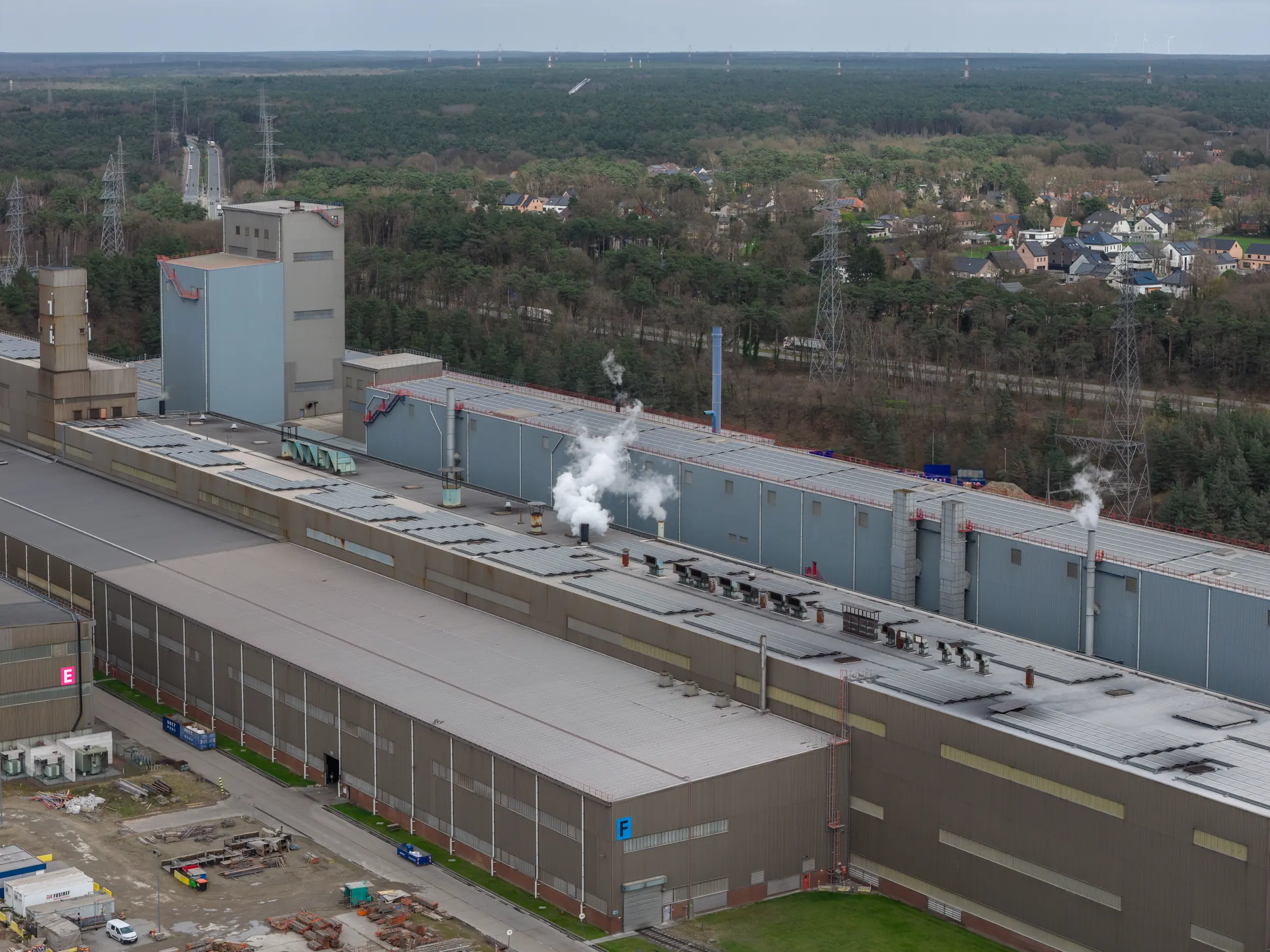
Manufacturing
Electricity is one of the largest controllable costs in continuous manufacturing. We work with Ontario operators to reduce consumption, size generation around actual facility demand, and build the infrastructure for long-term cost stability.
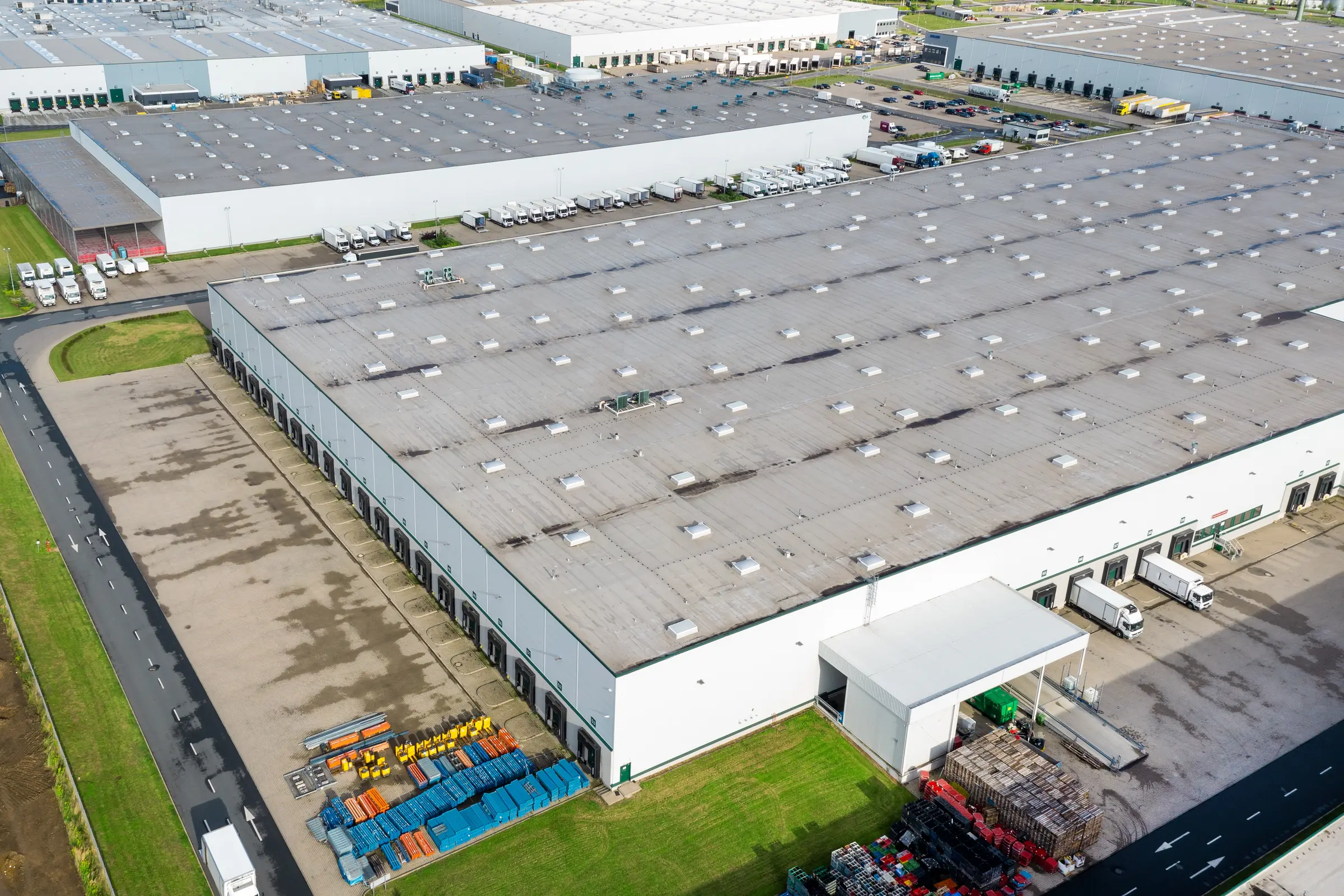
Warehousing & Logistics
Distribution centres, fulfilment facilities, and intermodal terminals operate around the clock with rising electricity demand. We plan and deliver energy programs around facility scale, demand-charge exposure, fleet electrification, and the cost of operational continuity.
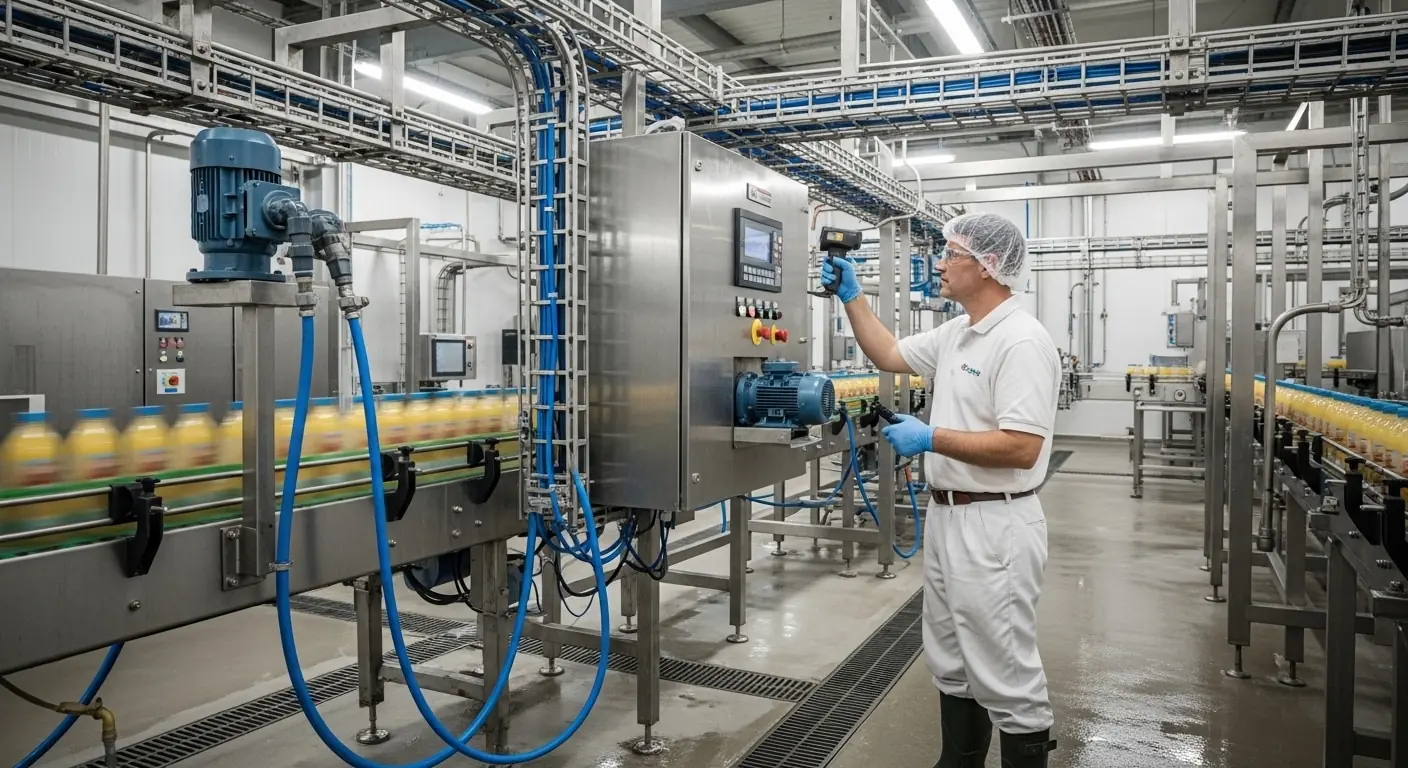
Food & Beverage
Food and beverage facilities operate around refrigeration loads, sanitation schedules, HACCP requirements, and continuous production demands. We plan and implement energy programs around those operational constraints.

Agriculture
We work with Ontario farm operators and agricultural businesses to reduce operating costs through solar, storage, LED lighting, and electrical upgrades — planned around drying, irrigation, ventilation, and the broader agricultural year.
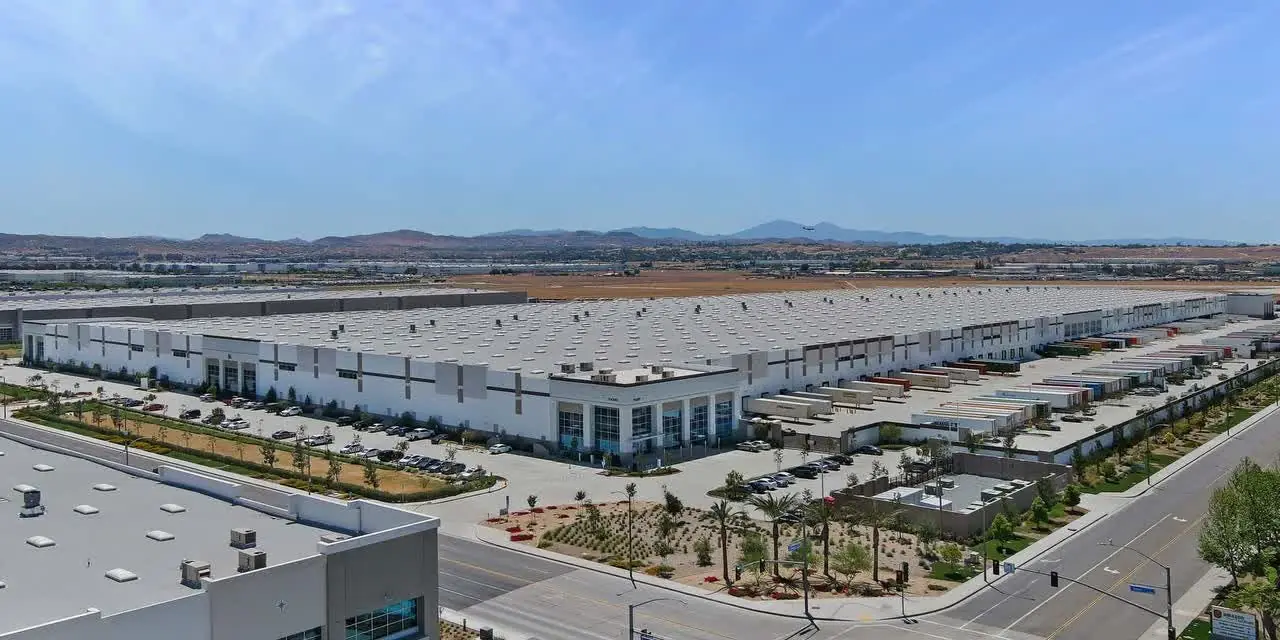
REITs
We work with Canadian commercial real estate owners, asset managers, and finance teams to reduce operating costs through solar, storage, LED lighting, recommissioning, and electrical upgrades — planned around NOI, BEPS compliance, and long-term asset value.
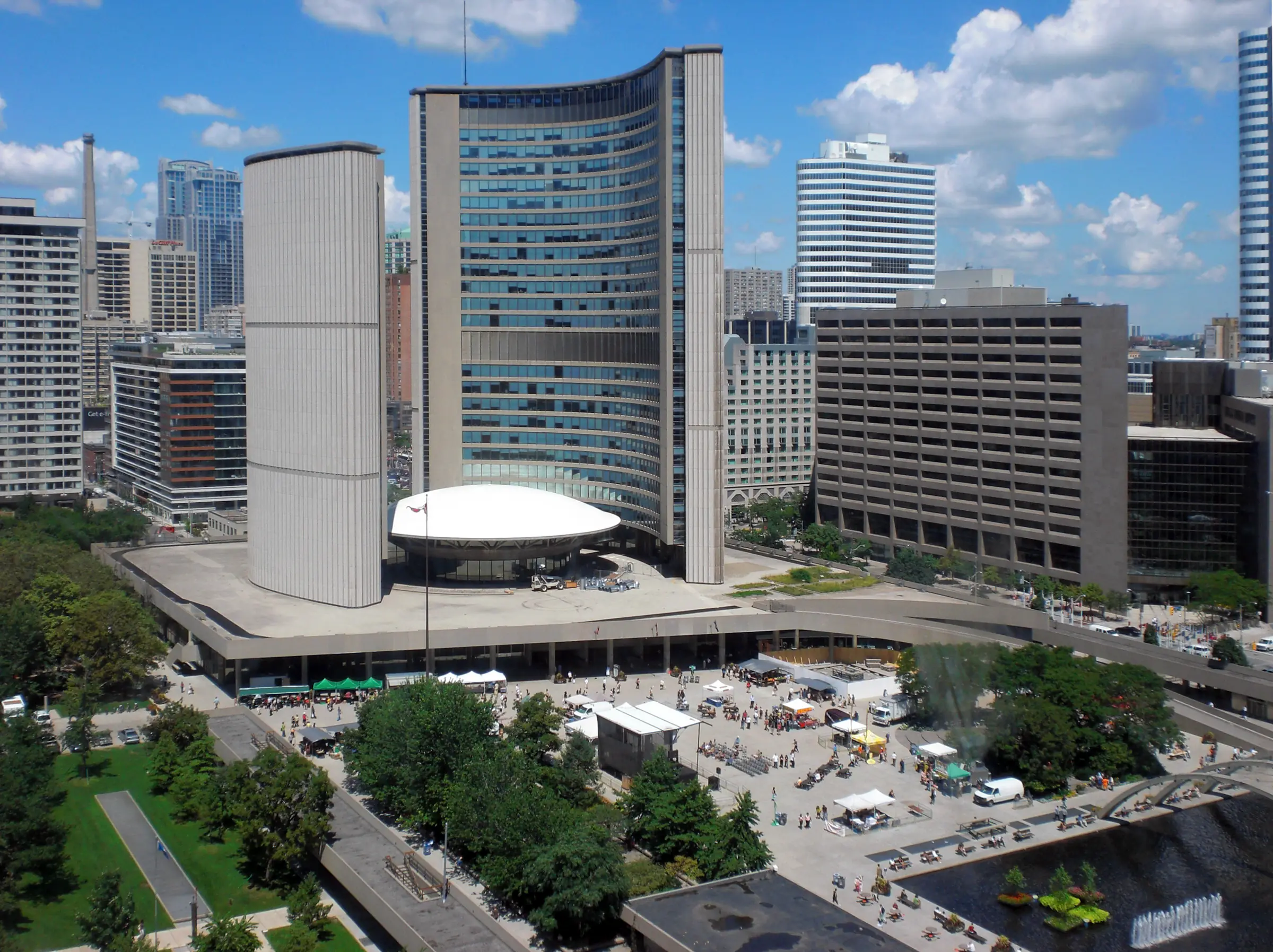
Government & Institutional
Municipal, social housing, and institutional energy projects operate on longer decision timelines and have additional procurement requirements. We plan and deliver energy programs around BEPS compliance, net-zero commitments, and public procurement frameworks.
Not sure where your facility fits? That's usually the right place to start a conversation.A 20-minute call is enough to map your load profile against the right scope of work.
Built on long-term performance.
End-to-end delivery, strong financial outcomes, and partnerships that extend beyond commissioning.
“Financial modelling translated directly into operating results.”
Green Integrations delivered a detailed financial model and system design that aligned with our production demands. The project was executed on time and performed as expected.
Built on long-term performance.
End-to-end delivery, strong financial outcomes, and partnerships that extend beyond commissioning.
Often planned alongside commercial solar.
Each integrates with the same assessment, financial model, and operating relationship.
Commercial Rooftop Solar Questions
Straight answers from our engineering team — explore the most-asked questions on this topic.
- What Canadian incentive programs are available for commercial solar?
- Is Solar Becoming a Competitive Advantage for Commercial Property Owners?
- How does grid connection work for commercial solar in Ontario?
- What size solar system does a commercial building need?
- How much does commercial rooftop solar cost per watt in Canada?
- What is included in a commercial rooftop solar assessment?
- What is the typical payback period for commercial solar?
- Why should energy be included in a company’s capital planning process?