#1Reality
BEPS applies to public buildings too.
Ontario's Building Emissions Performance Standard applies to large municipal buildings on the same schedule as commercial buildings — regardless of ownership type.
Ontario's Building Emissions Performance Standard applies to large municipal buildings on the same schedule as commercial buildings — regardless of ownership type.
Commitments made by councils, housing authorities, and institutions create internal pressure to demonstrate measurable reductions — which requires baselines, not aspirational targets.
Public procurement requires transparent process and accountable execution. A project delivered late or over budget on a public facility creates institutional risk private projects do not.
Municipal fleet electrification is moving on regulatory schedules. Charging infrastructure planned proactively costs significantly less than retrofit under deadline pressure.
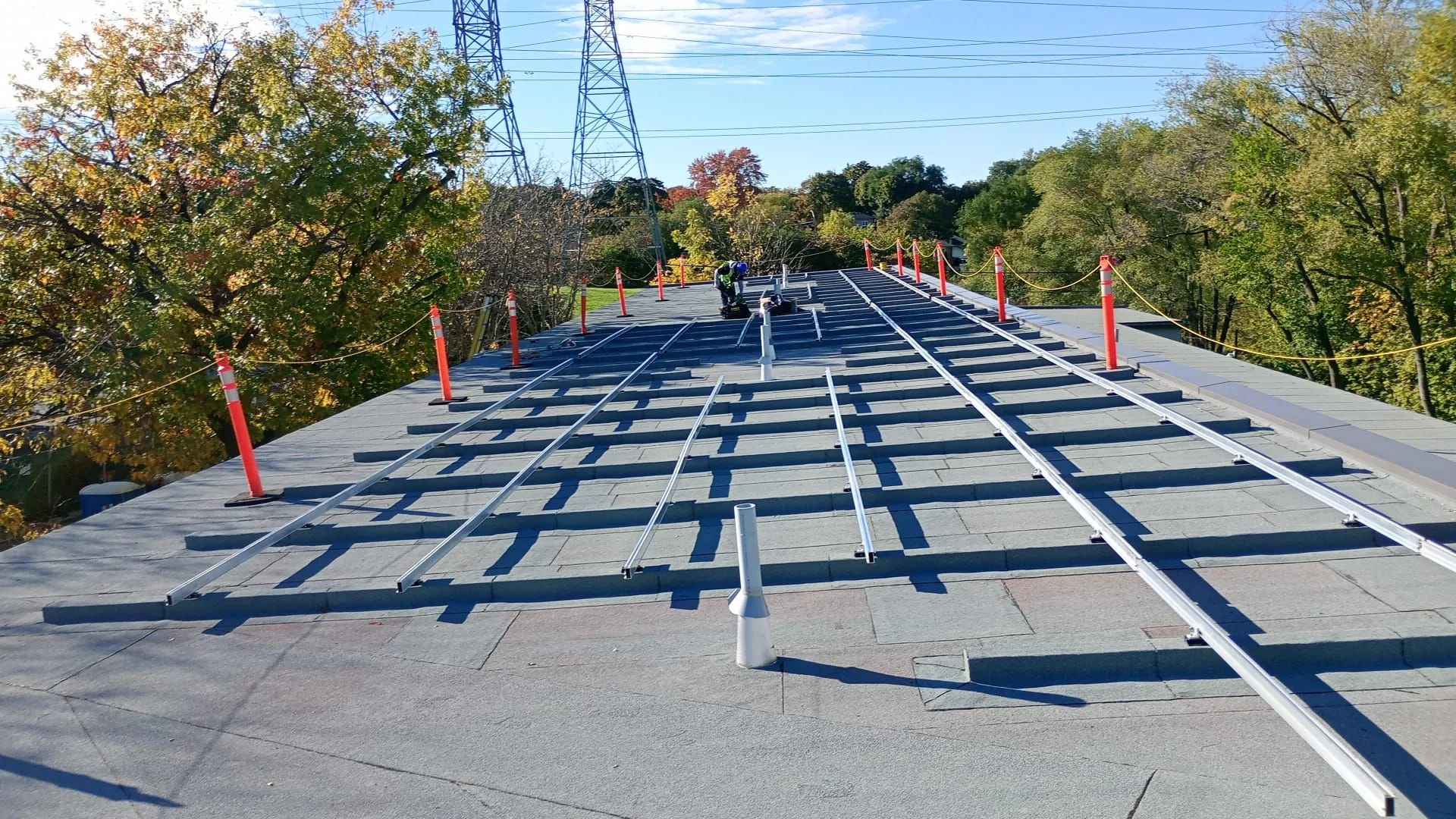
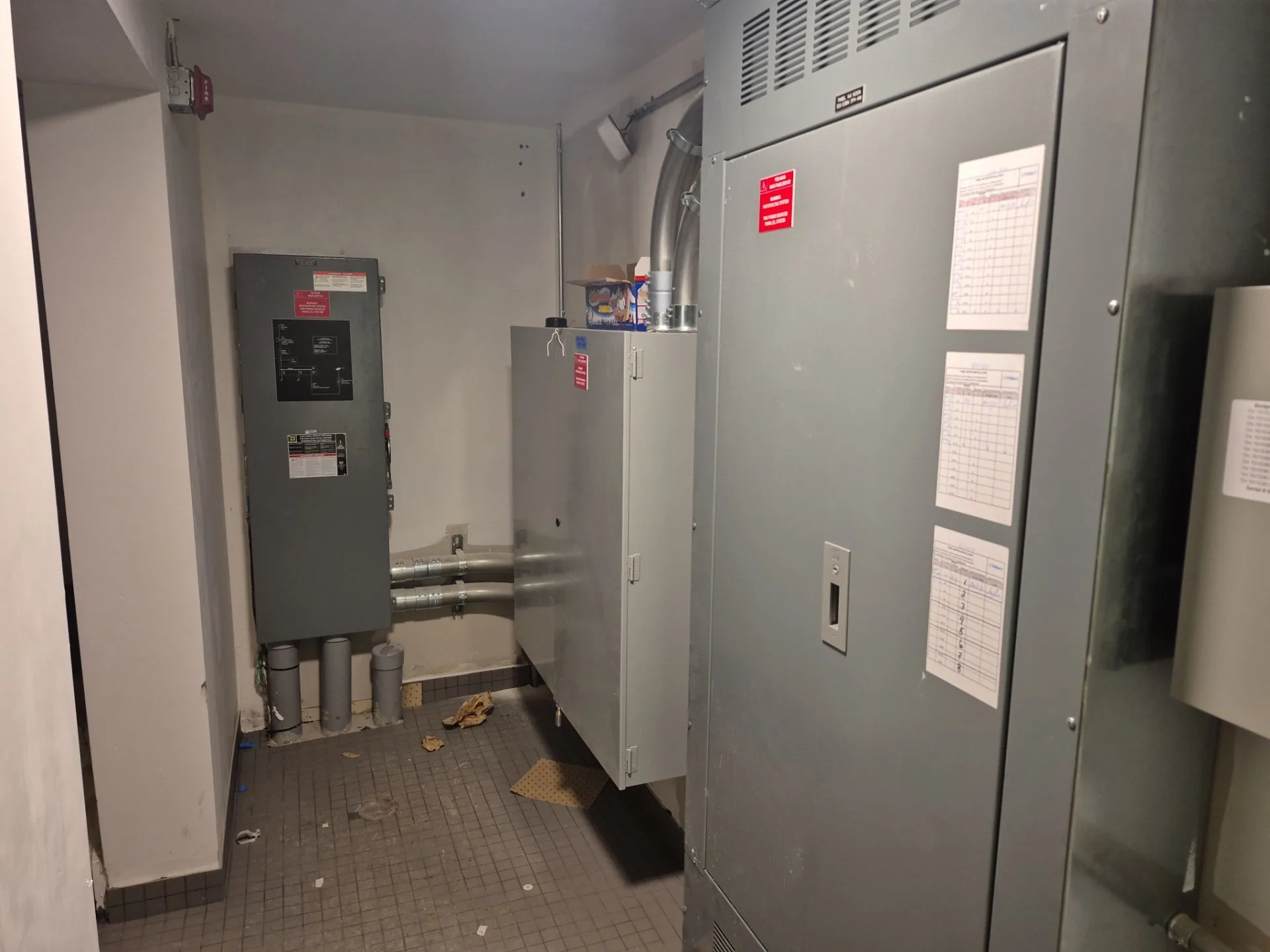
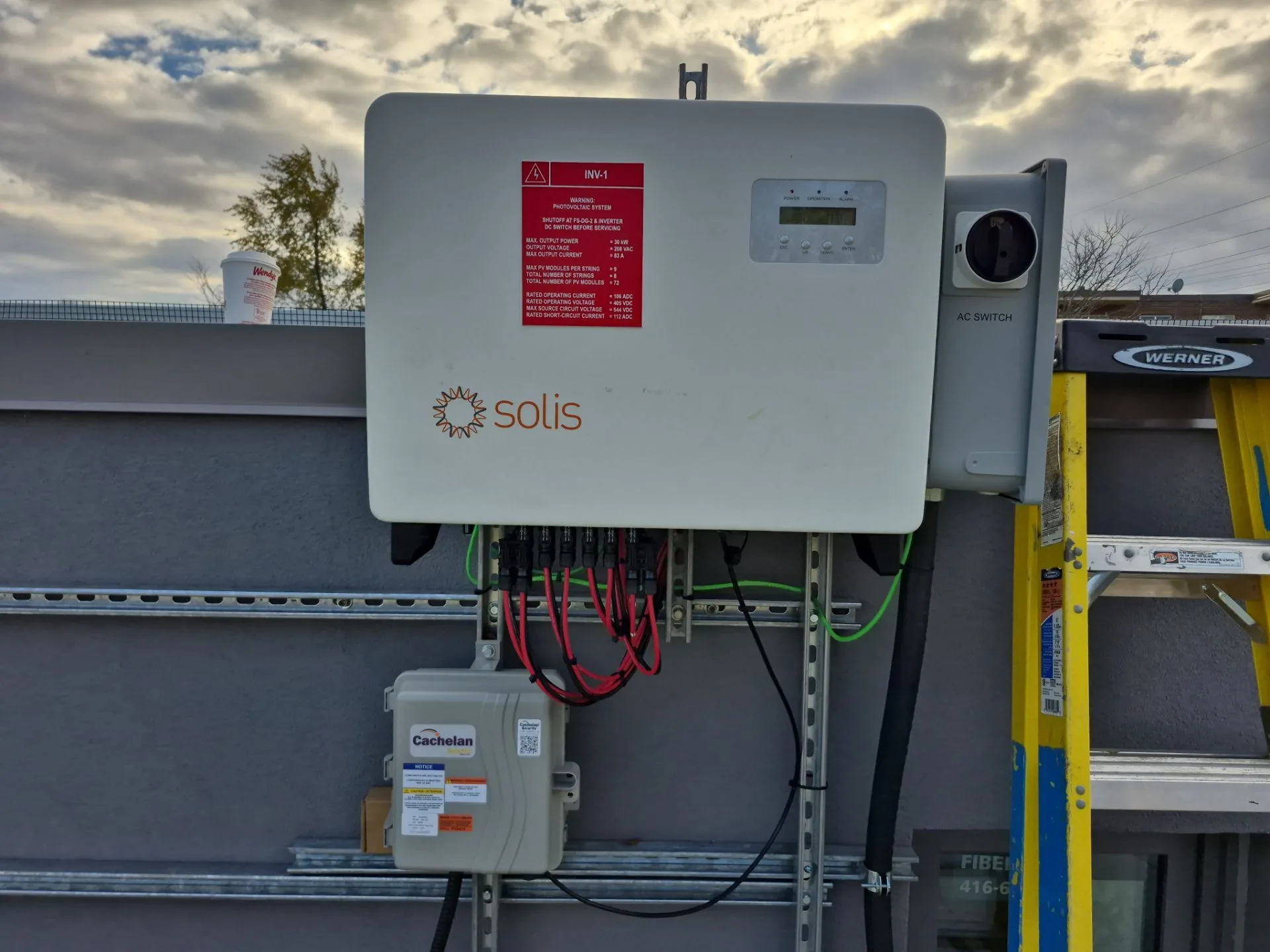
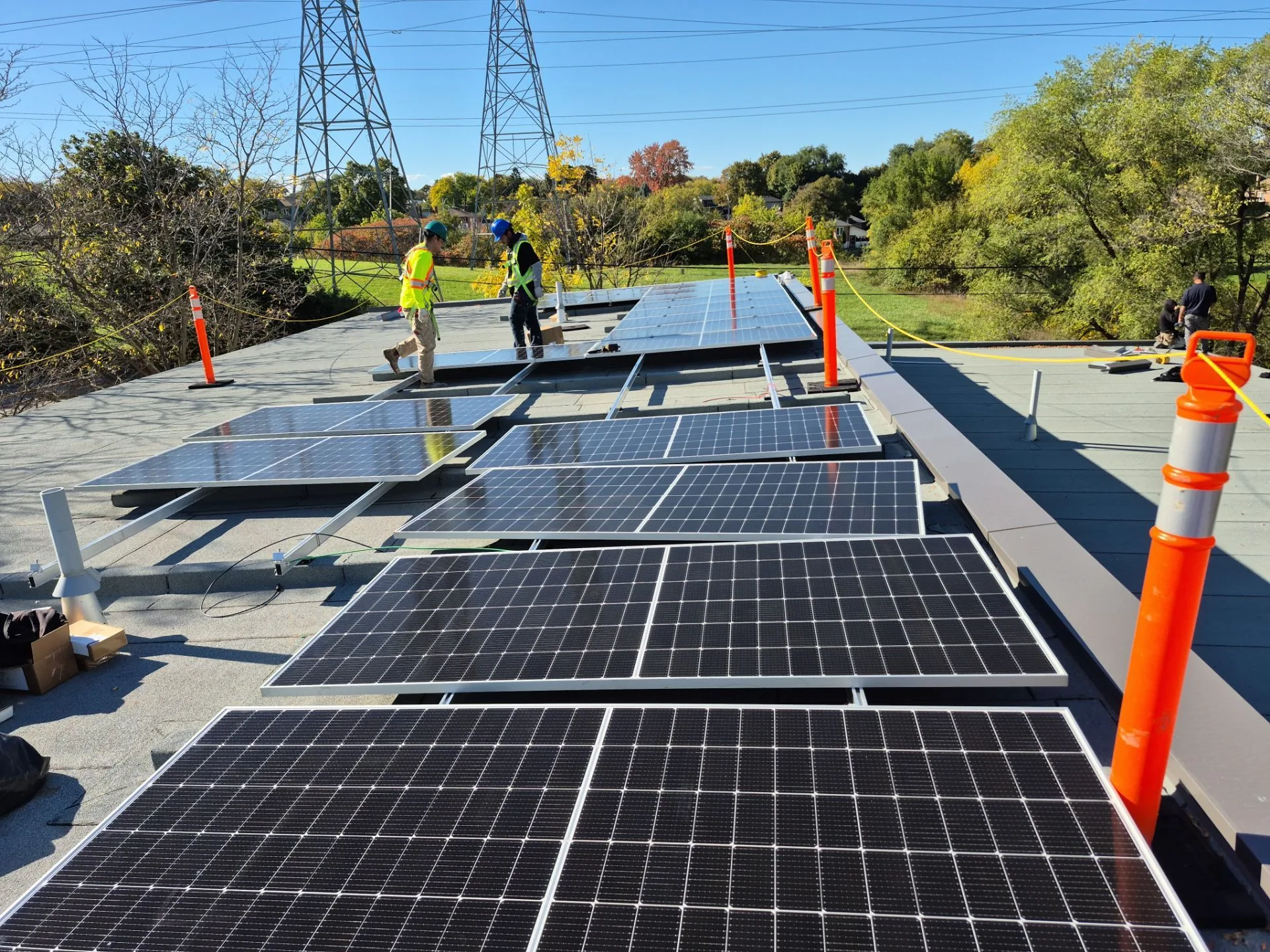
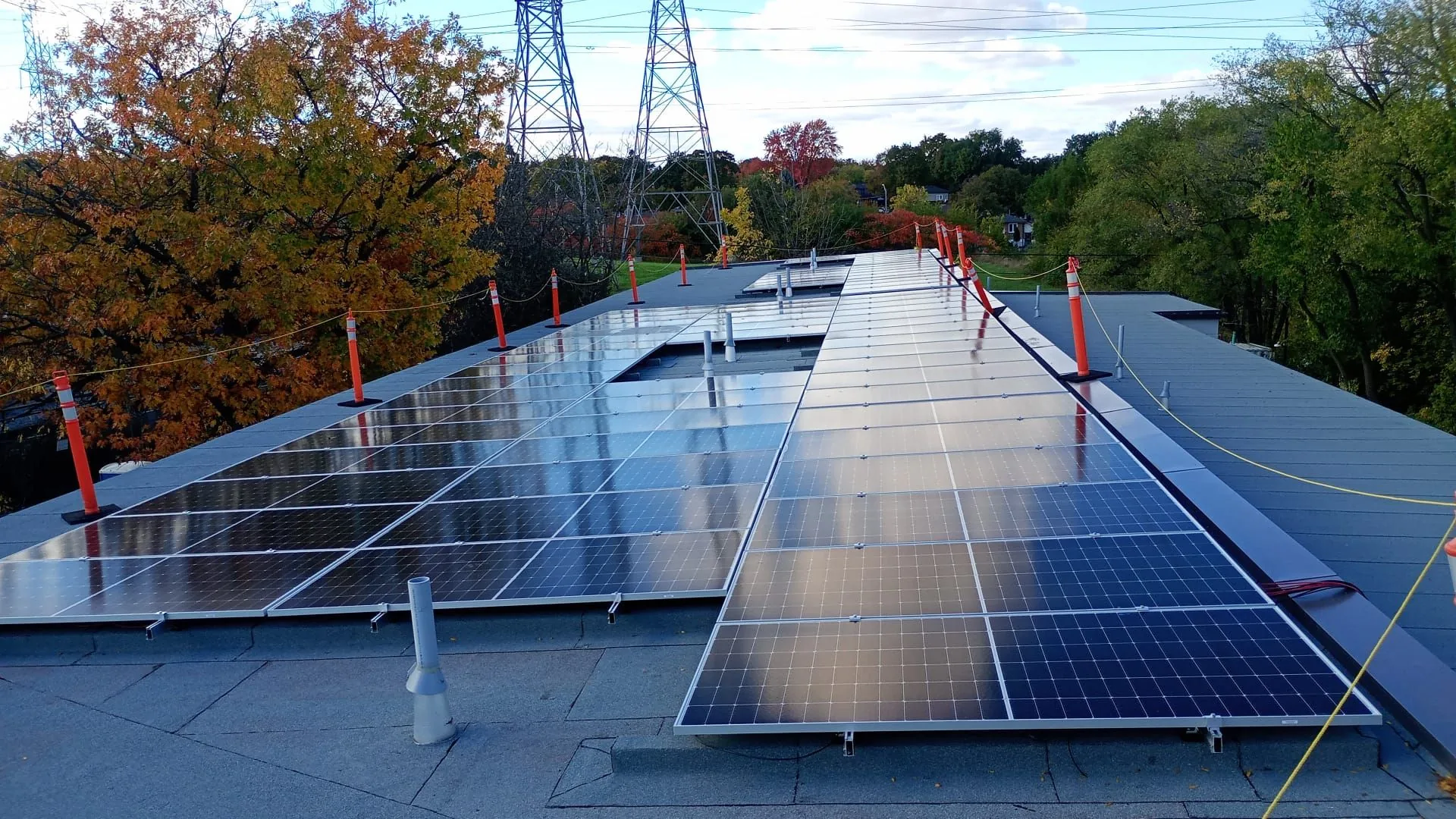
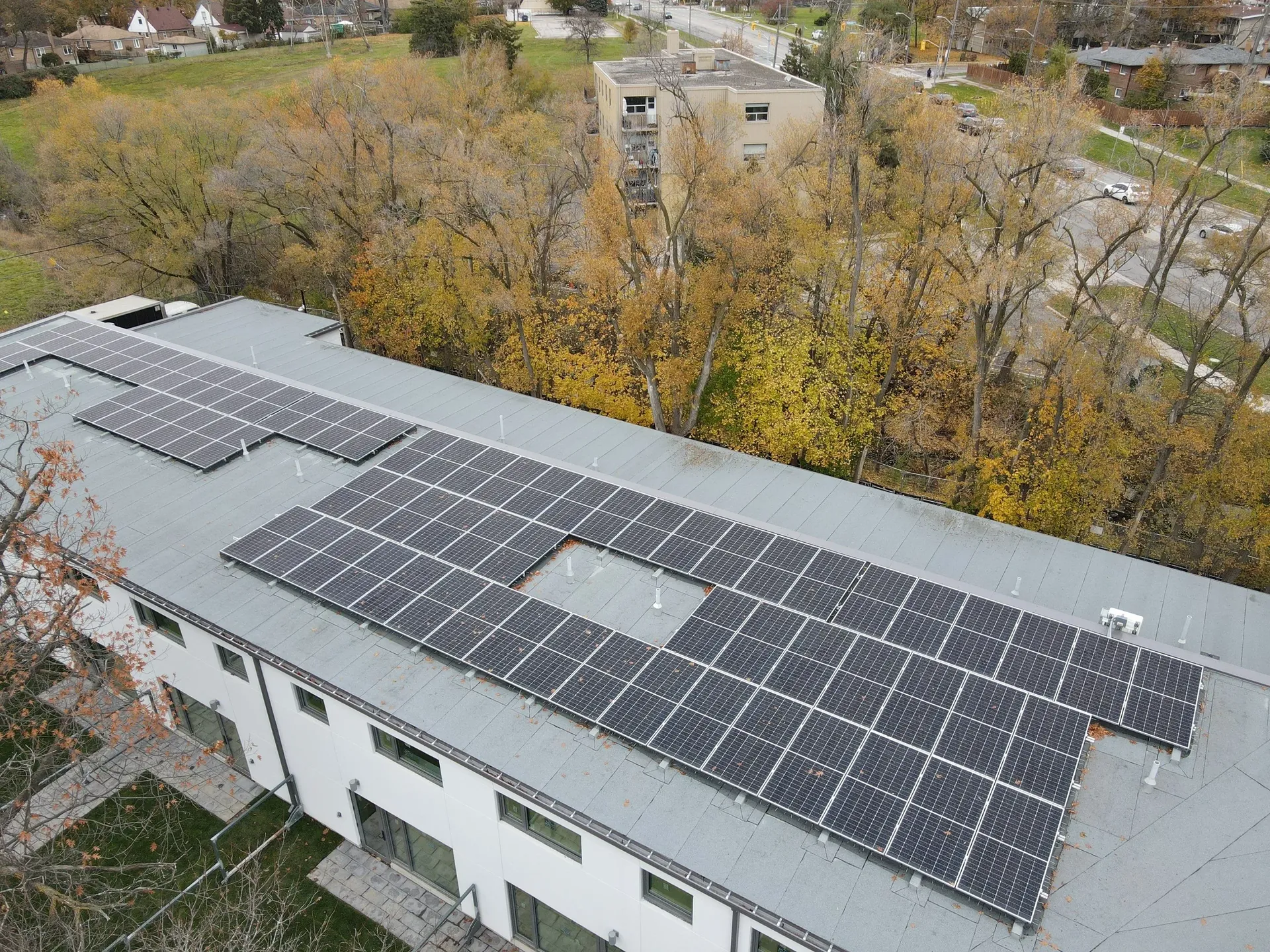
Rooftop solar at a Toronto Community Housing Corporation property in Etobicoke, Ontario. Demonstrates solar delivery within a public housing procurement context.
Municipal and institutional buildings span very different operating profiles — from continuous-occupancy social housing to seasonal recreation facilities to fleet depots planning electrification. Each calls for a different sequencing of measures.
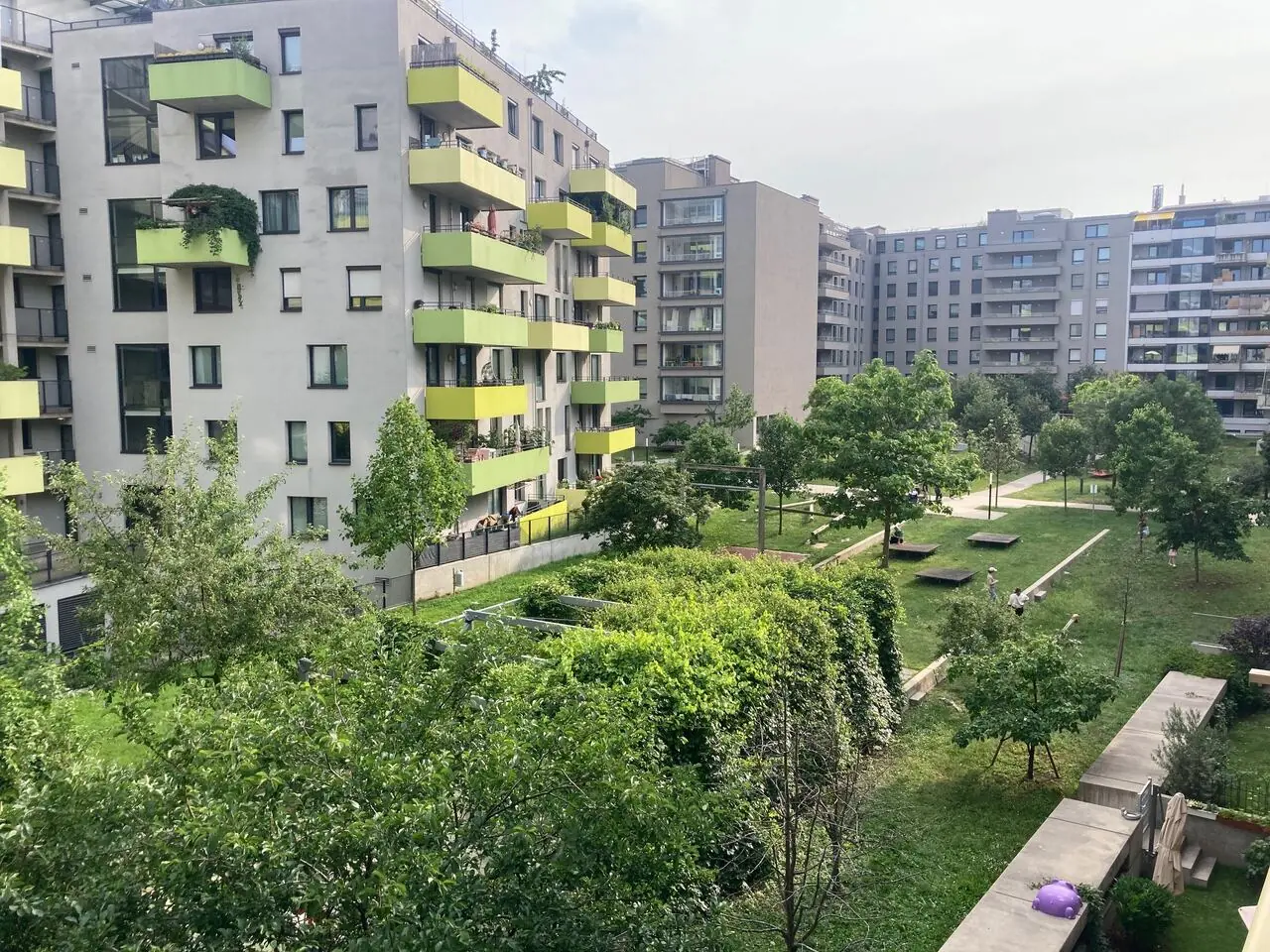
Continuous occupancy with predictable daytime load. Suitable rooftop area for solar and a strong fit for federal funding pathways targeted at affordable housing.
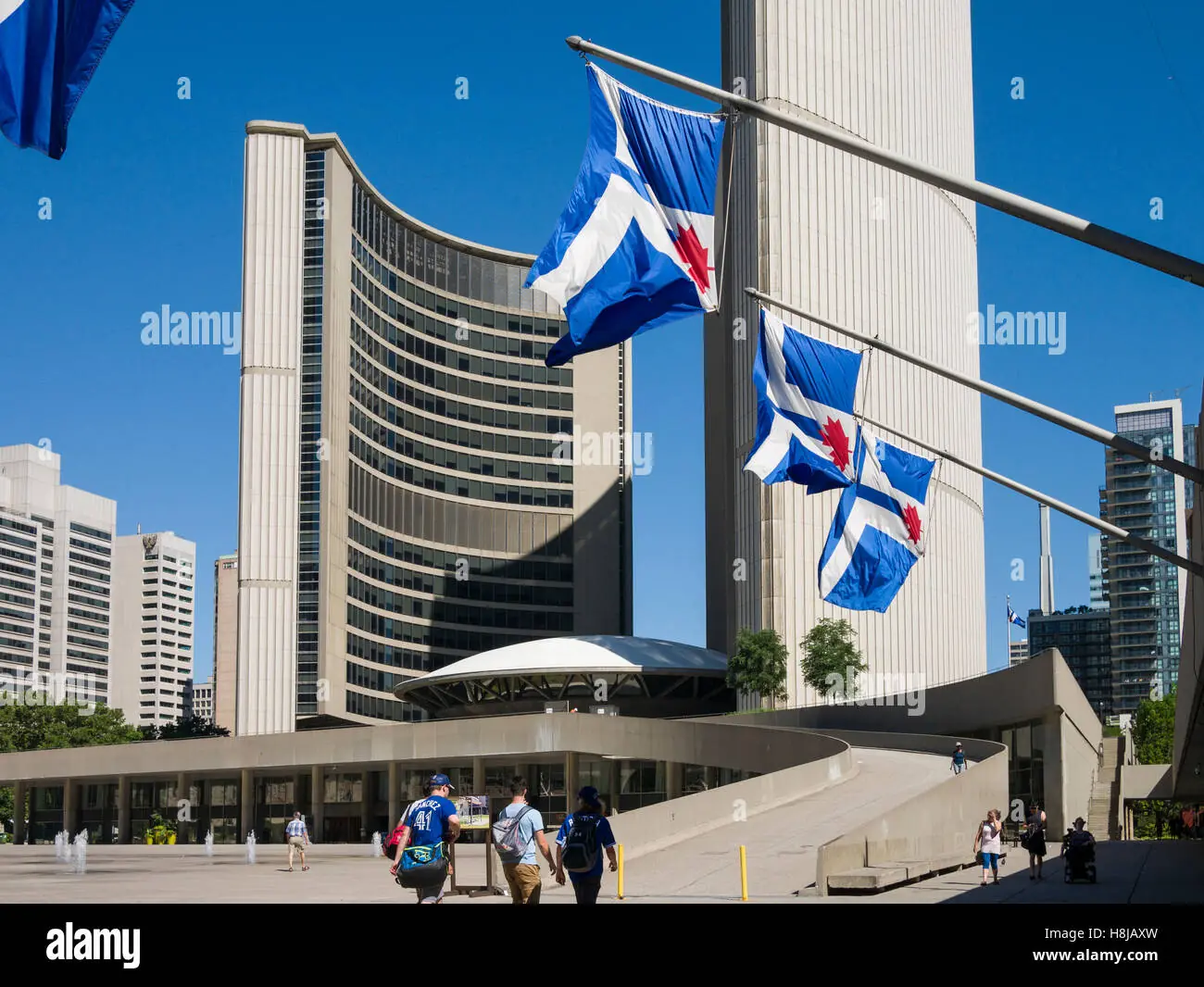
Standard weekday load profile. BEPS compliance positioning, lighting and HVAC controls, and a measurable foundation for council-reported net-zero commitments.
Refrigeration and pool heating drive year-round consumption. Energy audits often surface significant savings before a single solar panel is specified.
Municipal fleet electrification timelines drive EV infrastructure planning. Co-located solar provides a cost-effective charging power source for the depot.
Predictable academic-year load profiles and large rooftop and parking areas. Strong educational visibility for board-reported sustainability commitments.
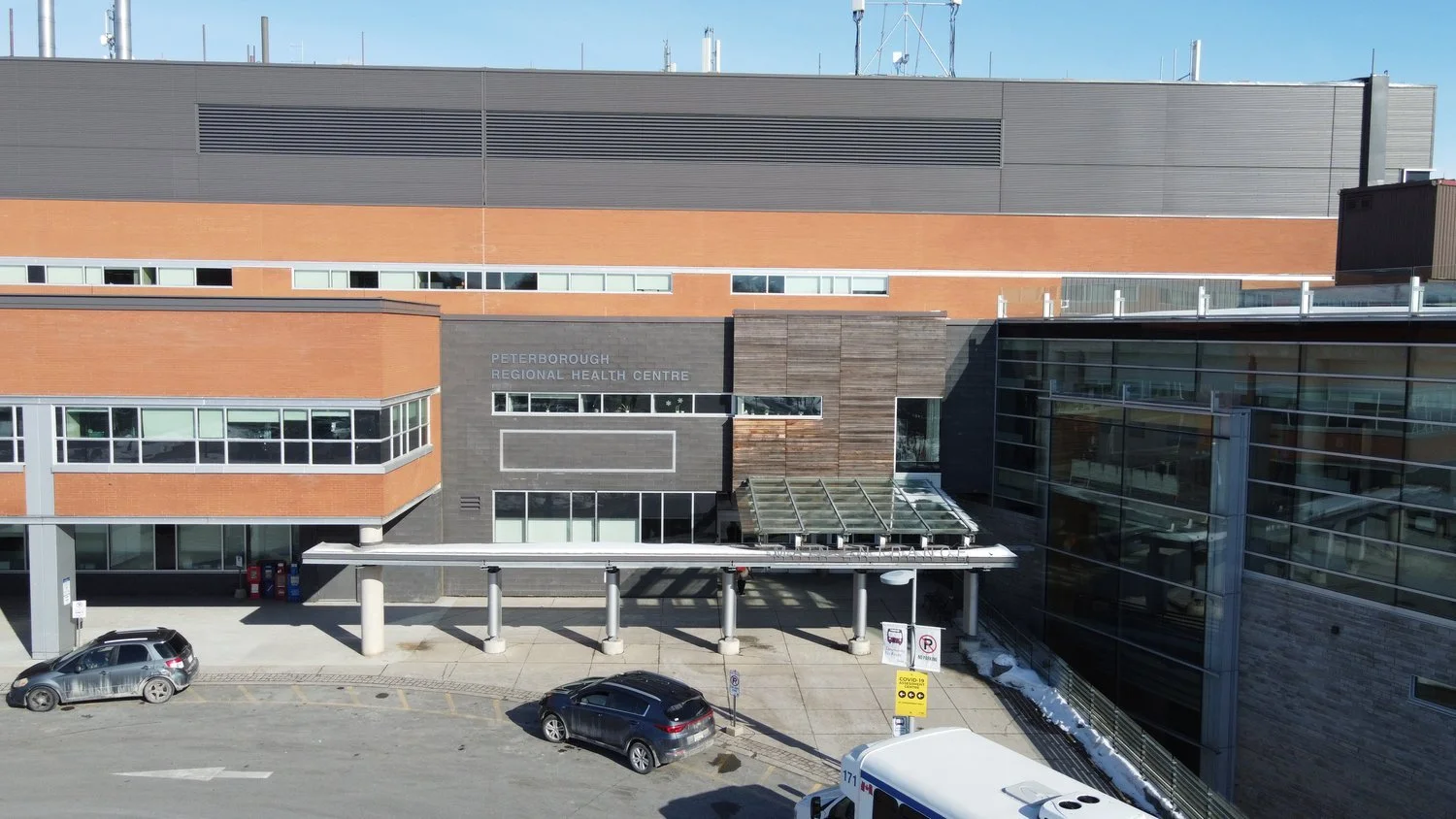
Critical-load facilities where battery storage and grid resilience matter. Audits document baseline before any operational change is scoped.
Not sure which sub-sector best describes your facility? That's usually the right place to start a conversation. A 20-minute call is enough to map your load profile against the right scope of work.
Most municipal and institutional facilities already have enough operational and utility data to identify meaningful energy-saving opportunities. The first step is understanding how the facility consumes power and where the strongest financial and compliance positioning exists.
We review your facility type, procurement context, BEPS exposure, net-zero commitments, and current priorities. No commitment required.
Interval and utility billing data help identify:
We produce a facility-specific baseline covering consumption, GHG emissions, and a ranked list of measures — the reference point for BEPS submissions and council reporting.
Municipal and institutional energy questions — specific to public sector procurement and compliance.
Yes — Ontario's Building Emissions Performance Standard applies to buildings above the size threshold regardless of ownership type. Municipal buildings, social housing, and public institutions that meet the threshold are subject to the same compliance requirements as privately owned commercial buildings. Buildings that begin GHG reduction programs earlier have more options and lower costs than those acting under deadline pressure.
Yes — rooftop solar is technically and financially viable for social housing properties with suitable roof area. The TCHC Torbolton project in Etobicoke, commissioned October 2025, demonstrates delivery within a Toronto Community Housing Corporation context. Federal funding programs including the Canada Greener Buildings Initiative have specific pathways for affordable housing and social housing properties.
Public procurement requirements typically include documented competitive process, clear performance specifications, and accountability for delivery against agreed milestones. We have experience delivering within procurement frameworks that require these elements. Project documentation, milestone tracking, and post-installation reporting are standard parts of our delivery scope — which aligns with what public reporting requirements demand.
A commercial energy audit produces a facility-specific baseline for electricity consumption and GHG emissions, a ranked list of measures with estimated emissions reductions, and a model for tracking progress against a council- or board-approved net-zero target. This documentation is the reference point for BEPS submissions, internal capital planning, and external sustainability reporting.
Public sector projects qualify for the federal Clean Technology Investment Tax Credit, the Canada Greener Buildings Initiative (with specific pathways for institutional and social housing buildings), accelerated CCA where applicable, and Ontario's saveONenergy program. We scope incentive eligibility against current program criteria during project development — program intake and eligibility evolve year-over-year.
Straight answers from our engineering team — explore the most-asked questions on this topic.