#1Reality
High electrical demand across operations.
Manufacturing facilities rely on continuous power for production equipment, compressed air systems, welding, machining, material handling, and facility operations.
Manufacturing facilities rely on continuous power for production equipment, compressed air systems, welding, machining, material handling, and facility operations.
Rising utility rates, peak demand charges, and energy volatility increase operational expenses and impact manufacturing competitiveness.
Inefficient equipment, outdated lighting, and unmanaged energy systems increase operating costs and reduce long-term profitability.
Solar, energy storage, lighting upgrades, and electrical modernization help manufacturers reduce operating costs and improve long-term energy predictability.
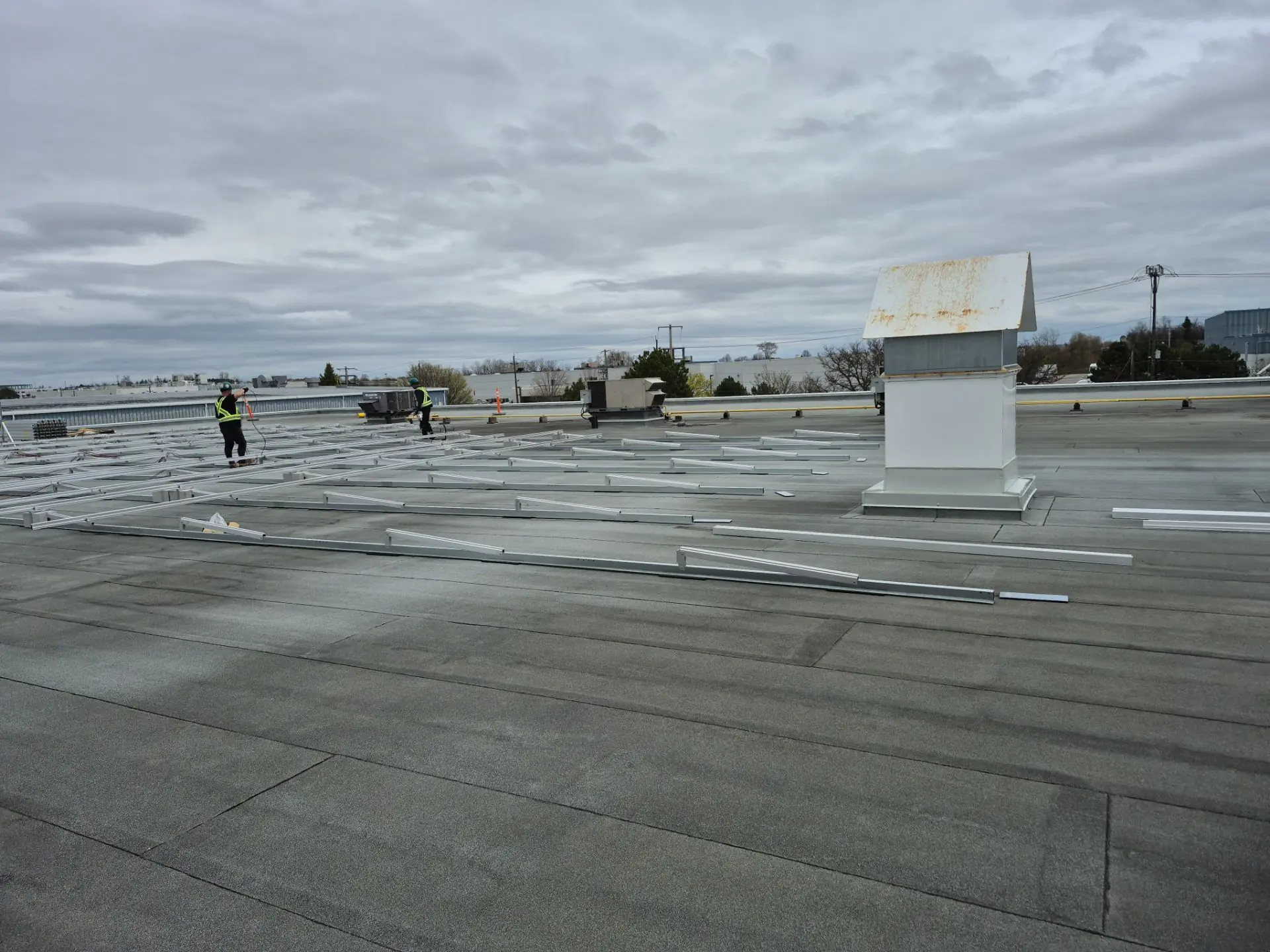
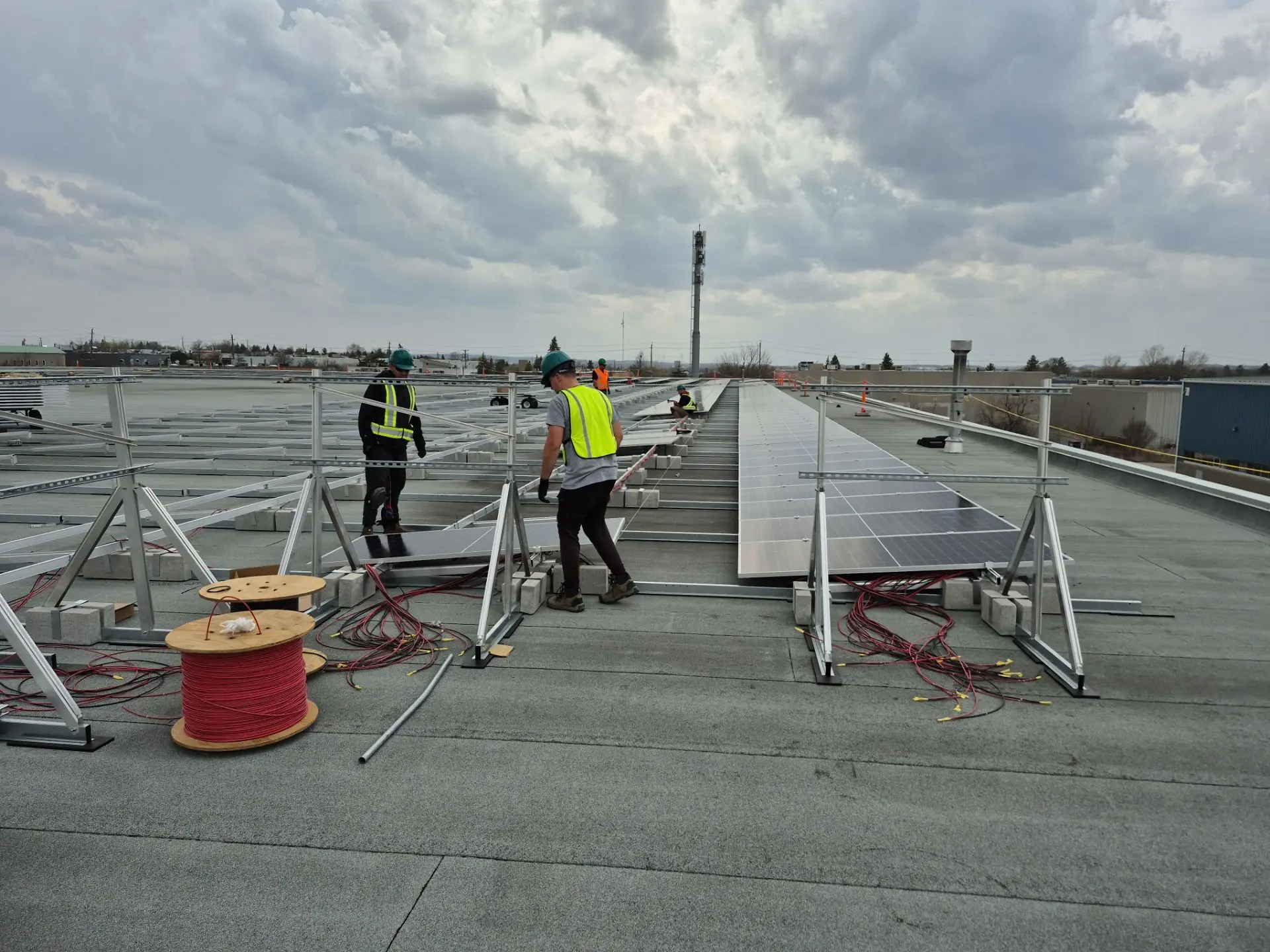
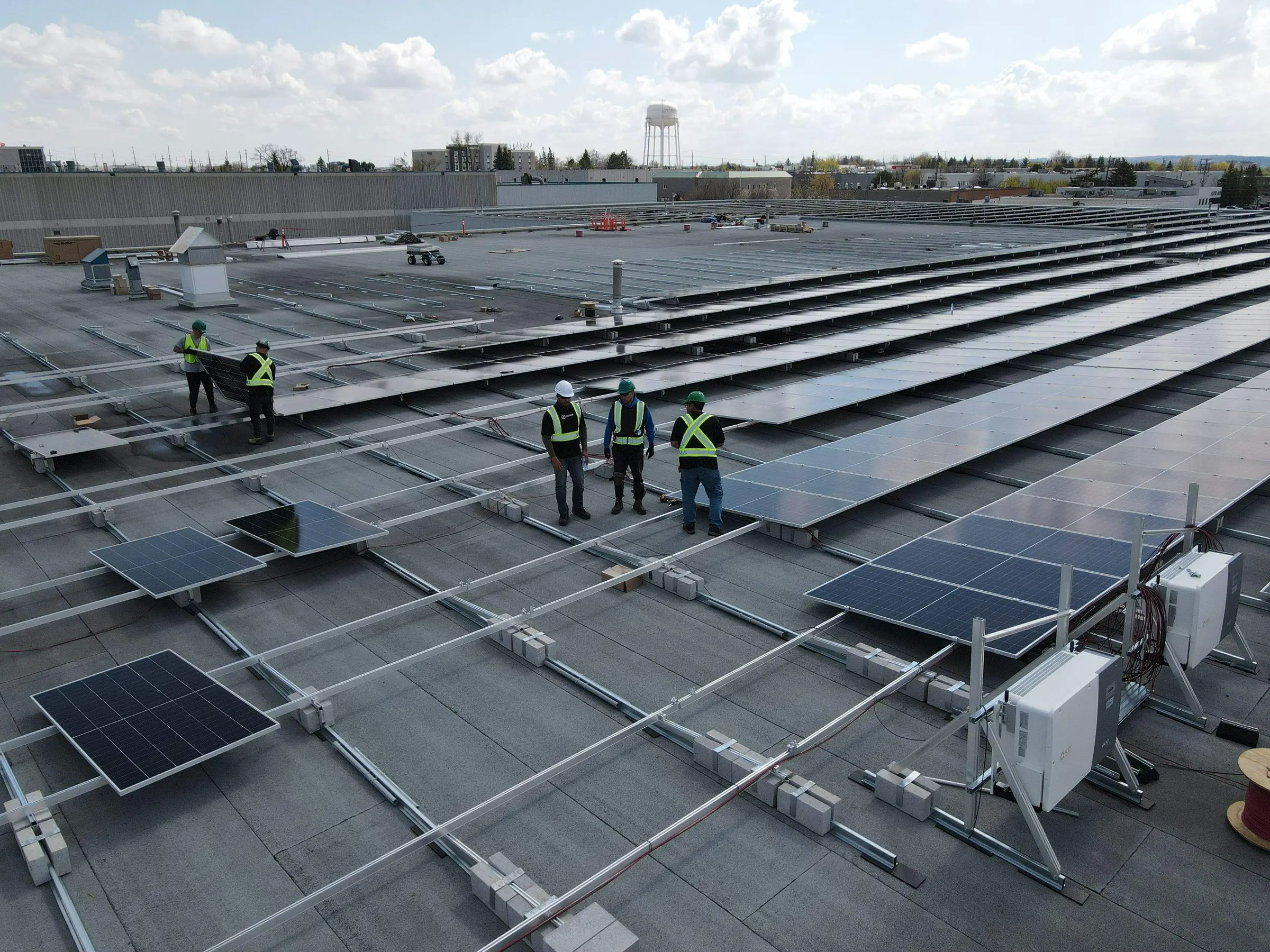
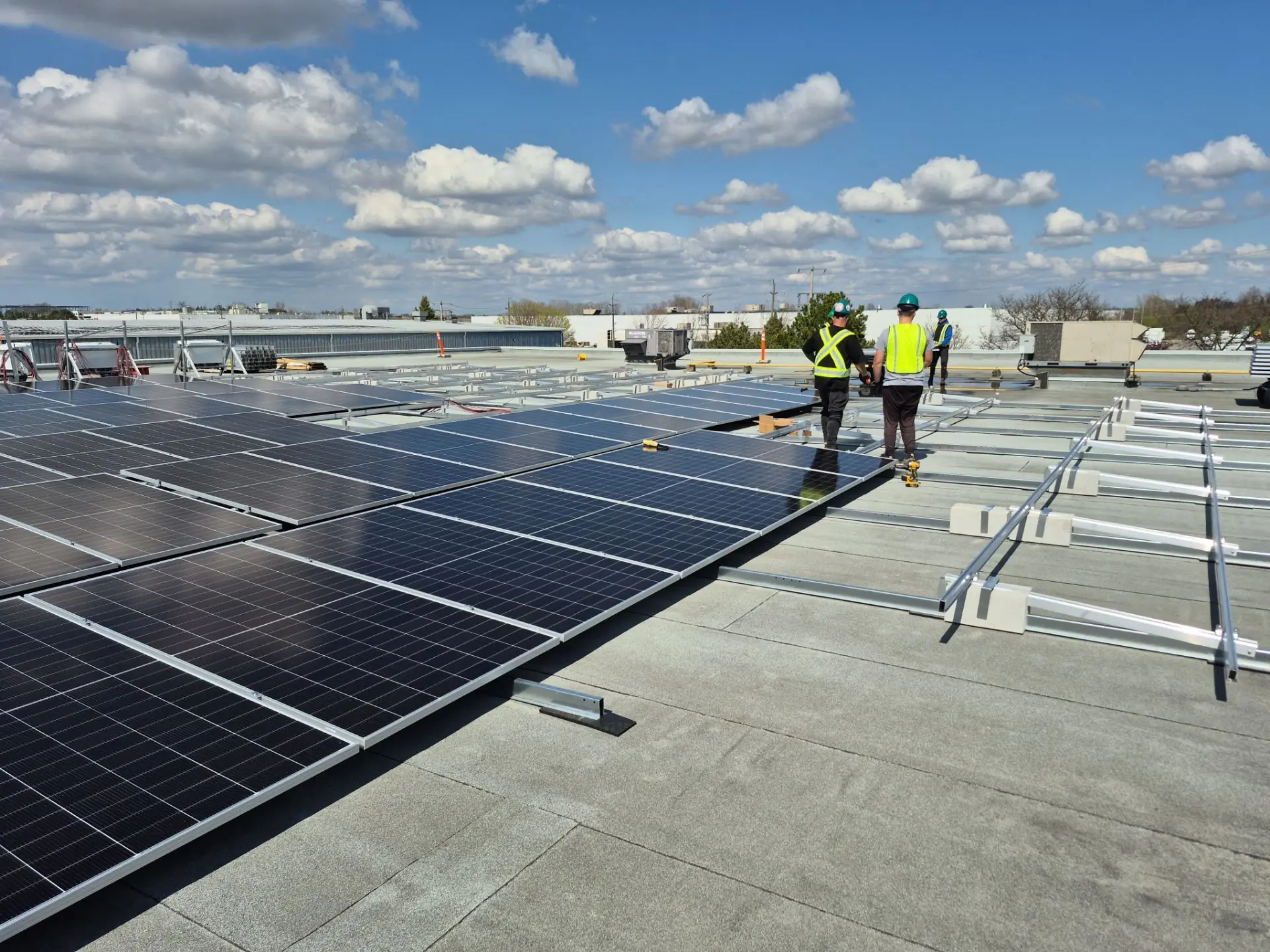
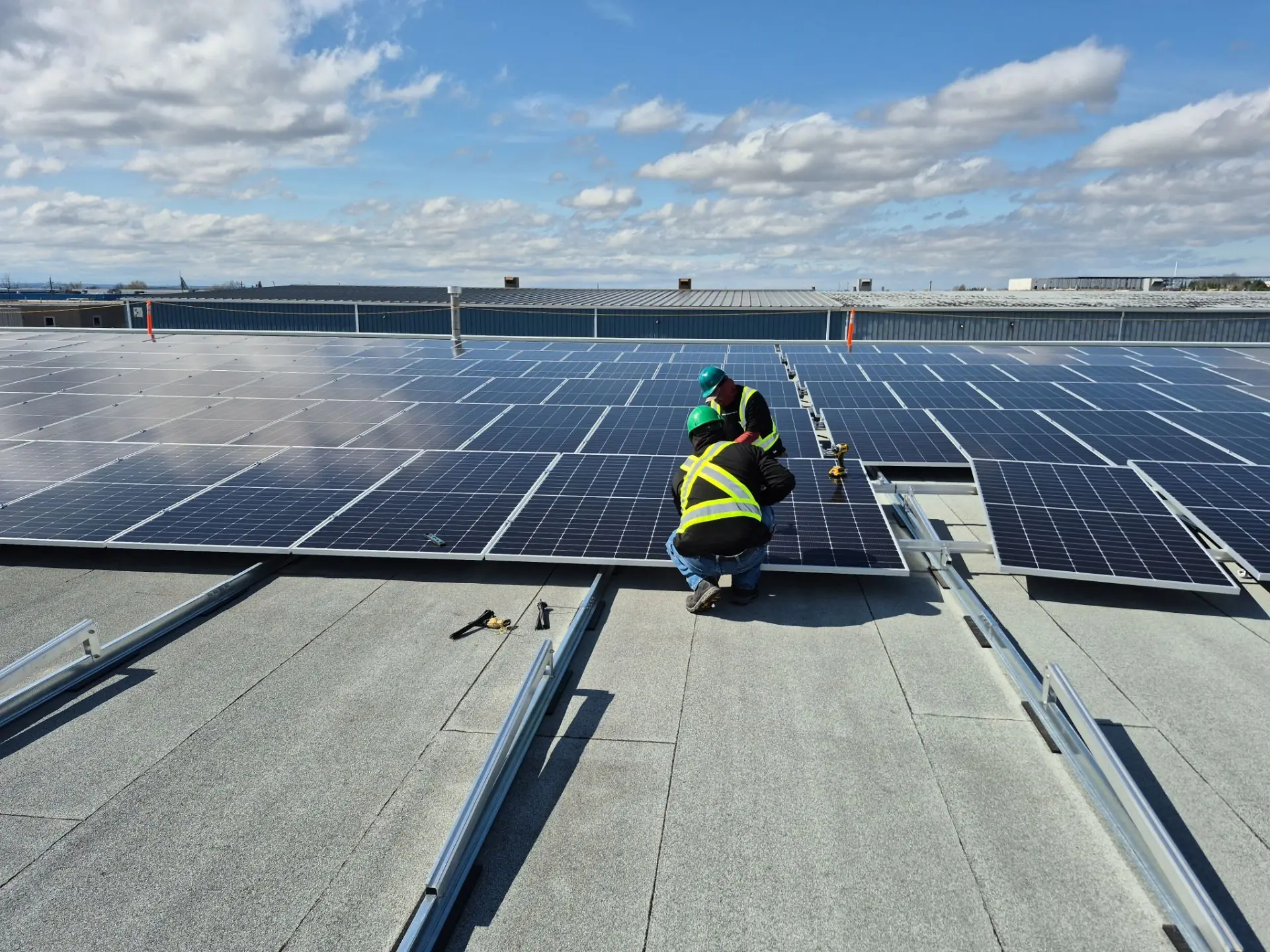
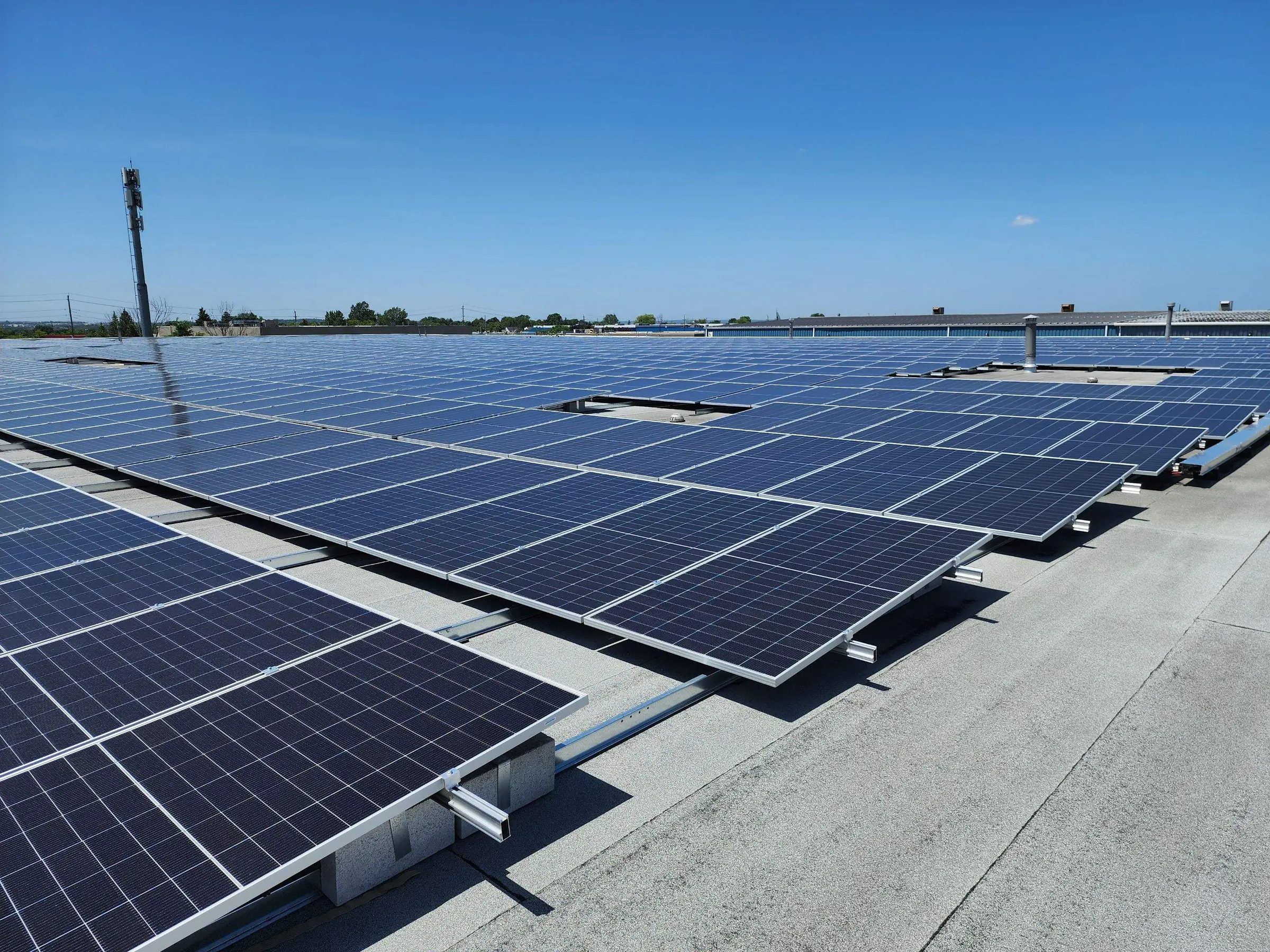
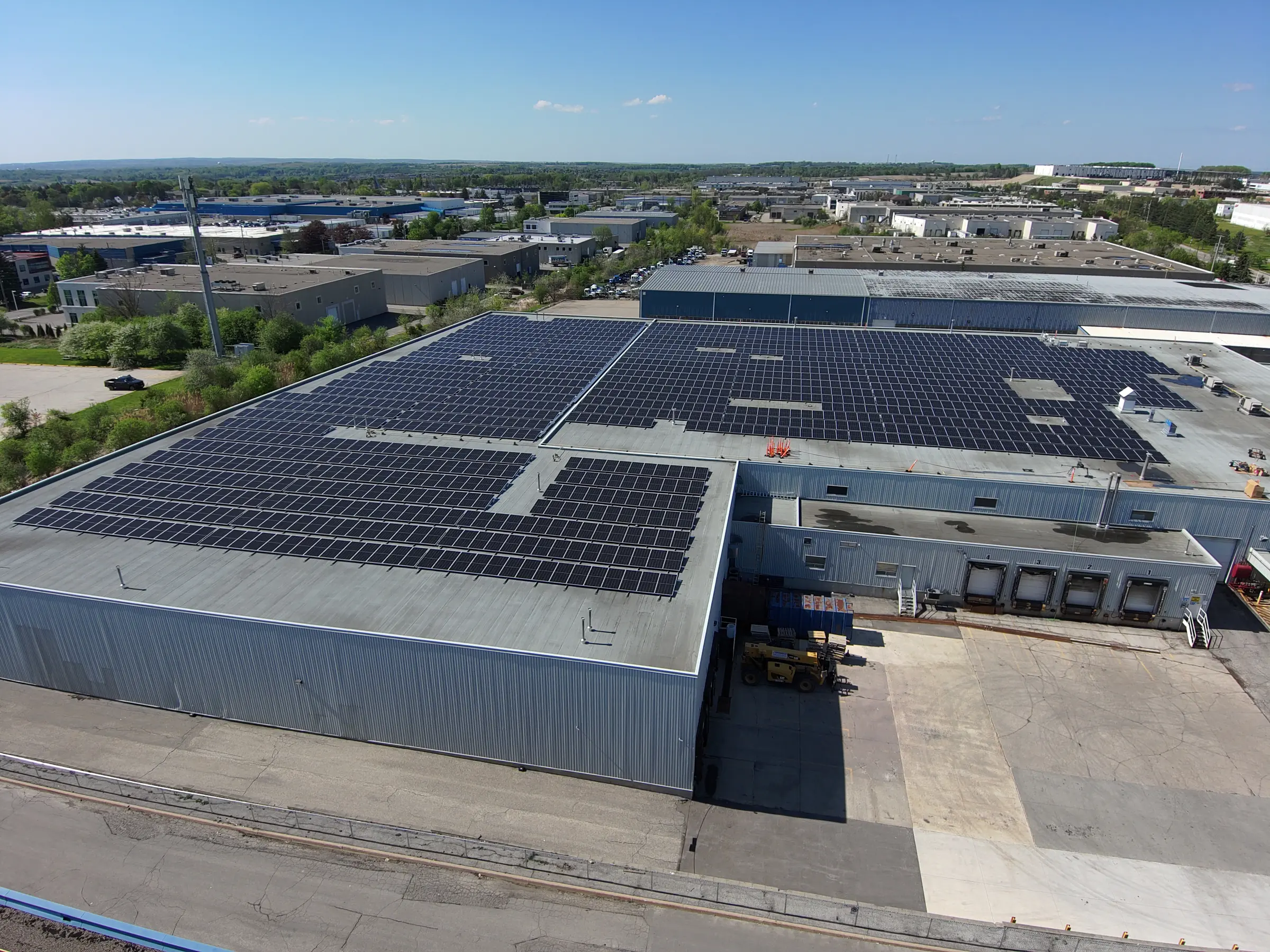
A phased energy program across a food-manufacturing facility in Newmarket — combining efficiency improvements and rooftop solar over 11 projects to achieve near-complete electricity independence.
Manufacturing spans very different operating profiles — from continuous-process food and beverage to discrete-part fabrication to controlled-environment pharma. Each calls for a different sequencing of efficiency and generation.
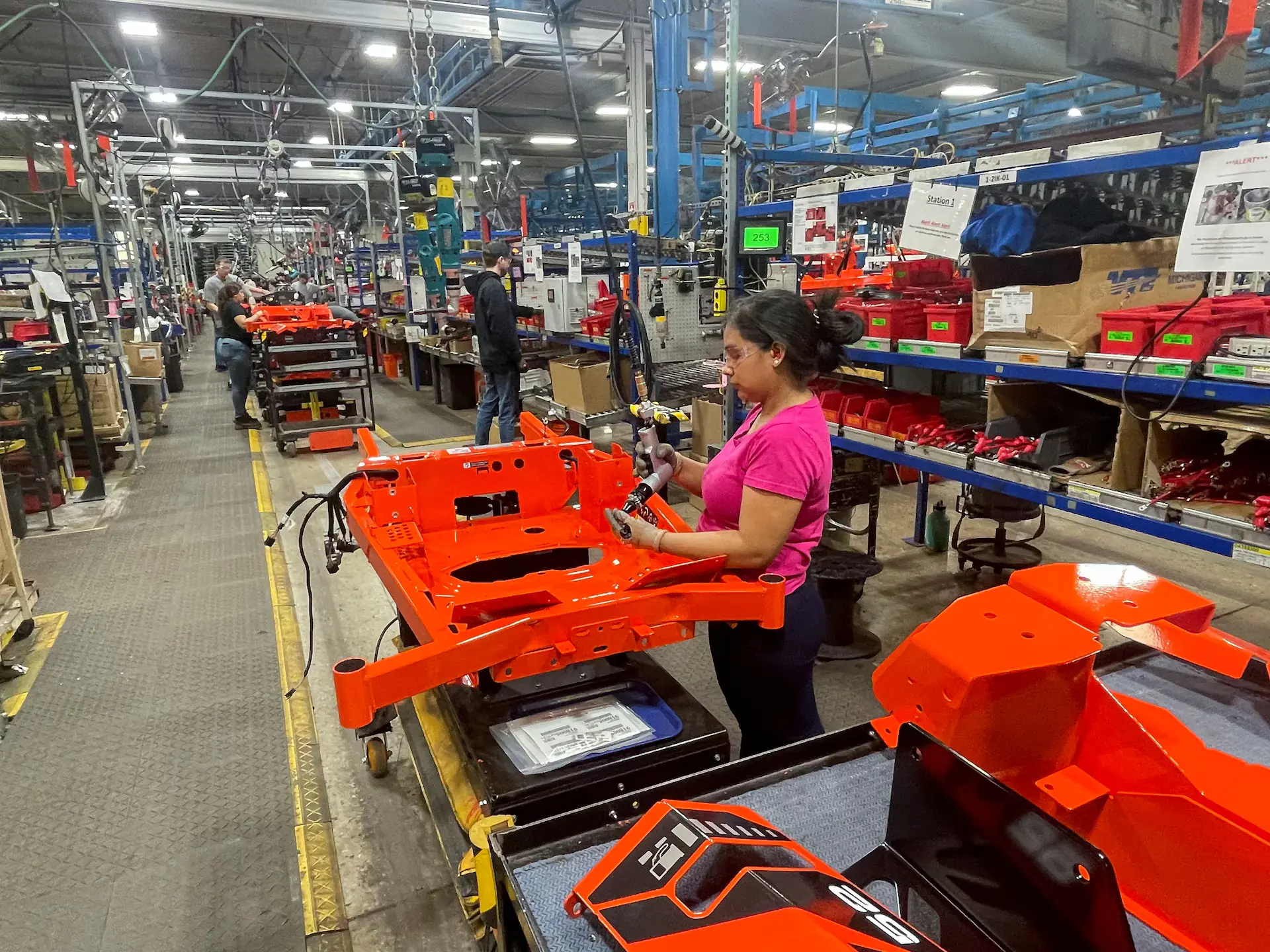
Automotive facilities depend on robotics, welding equipment, compressed air systems, and process cooling to maintain production efficiency. Energy strategies often focus on reducing peak demand and improving operational reliability.
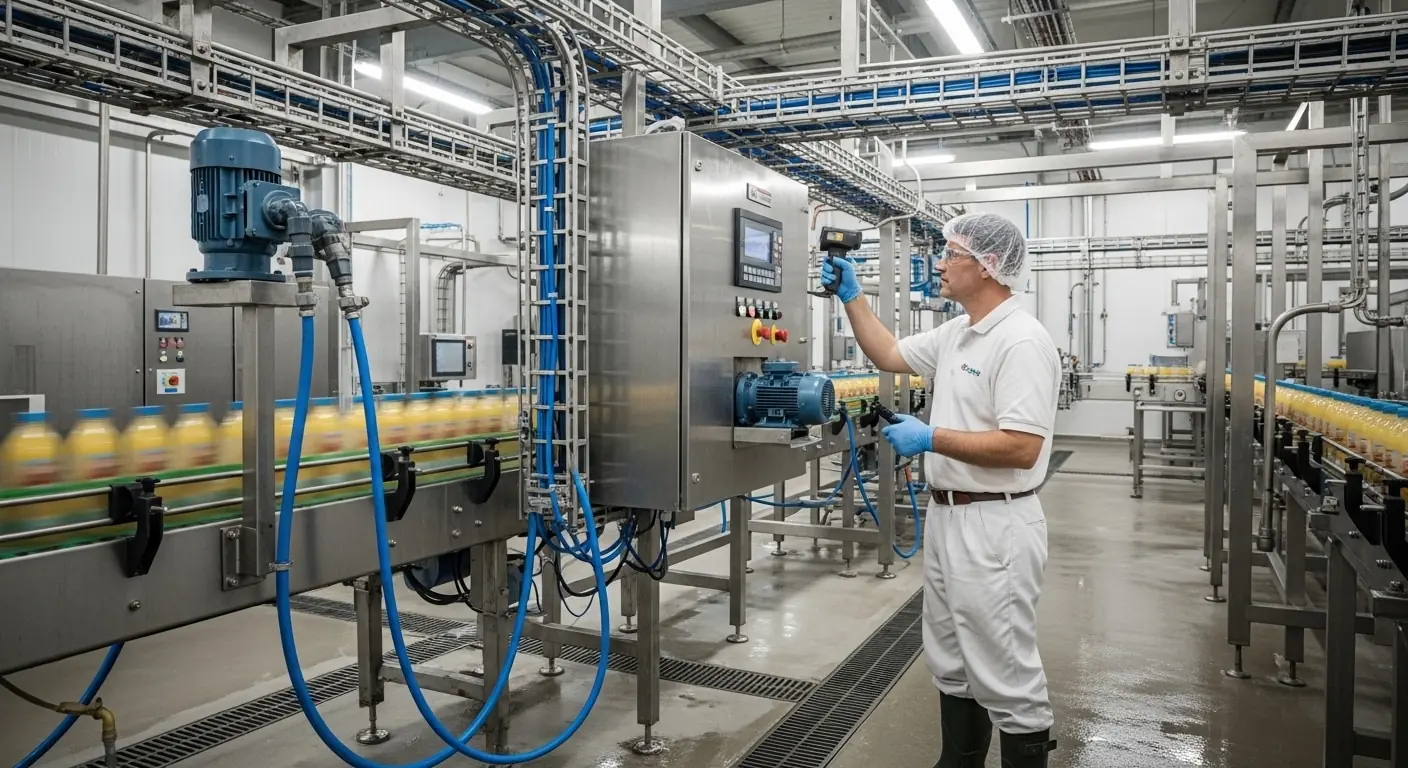
Food processing plants require refrigeration, sanitation systems, process heating, and continuous production equipment. Energy optimization helps reduce utility costs while supporting product quality and operational uptime.
Fabrication shops and machining facilities operate energy-intensive equipment such as CNC machines, welders, presses, and exhaust systems. Managing electricity demand and equipment efficiency is critical for production performance.
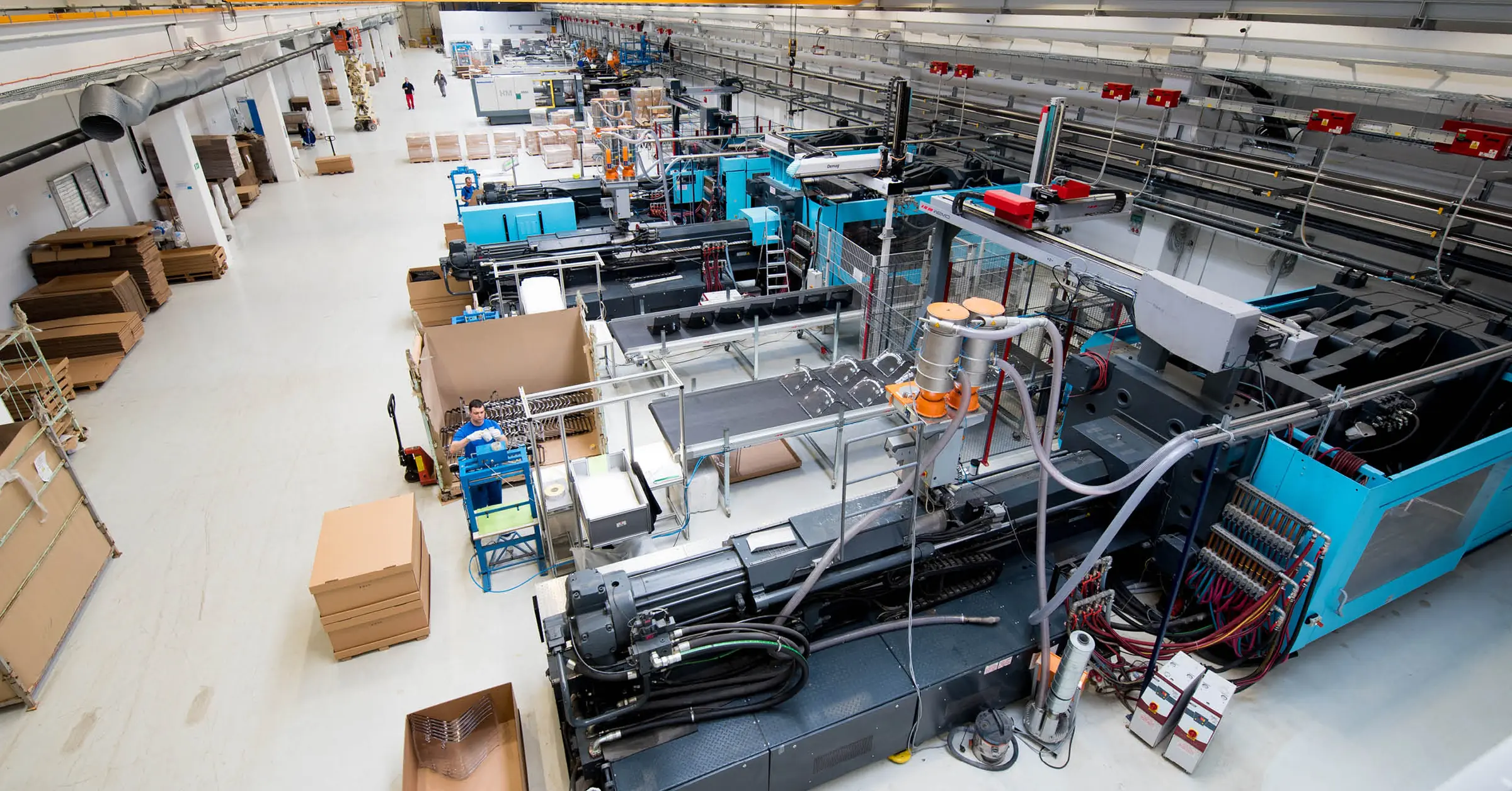
Plastic molding, extrusion, and packaging operations rely heavily on process heating, cooling systems, and automated production lines. Energy improvements can reduce operating costs and improve process consistency.
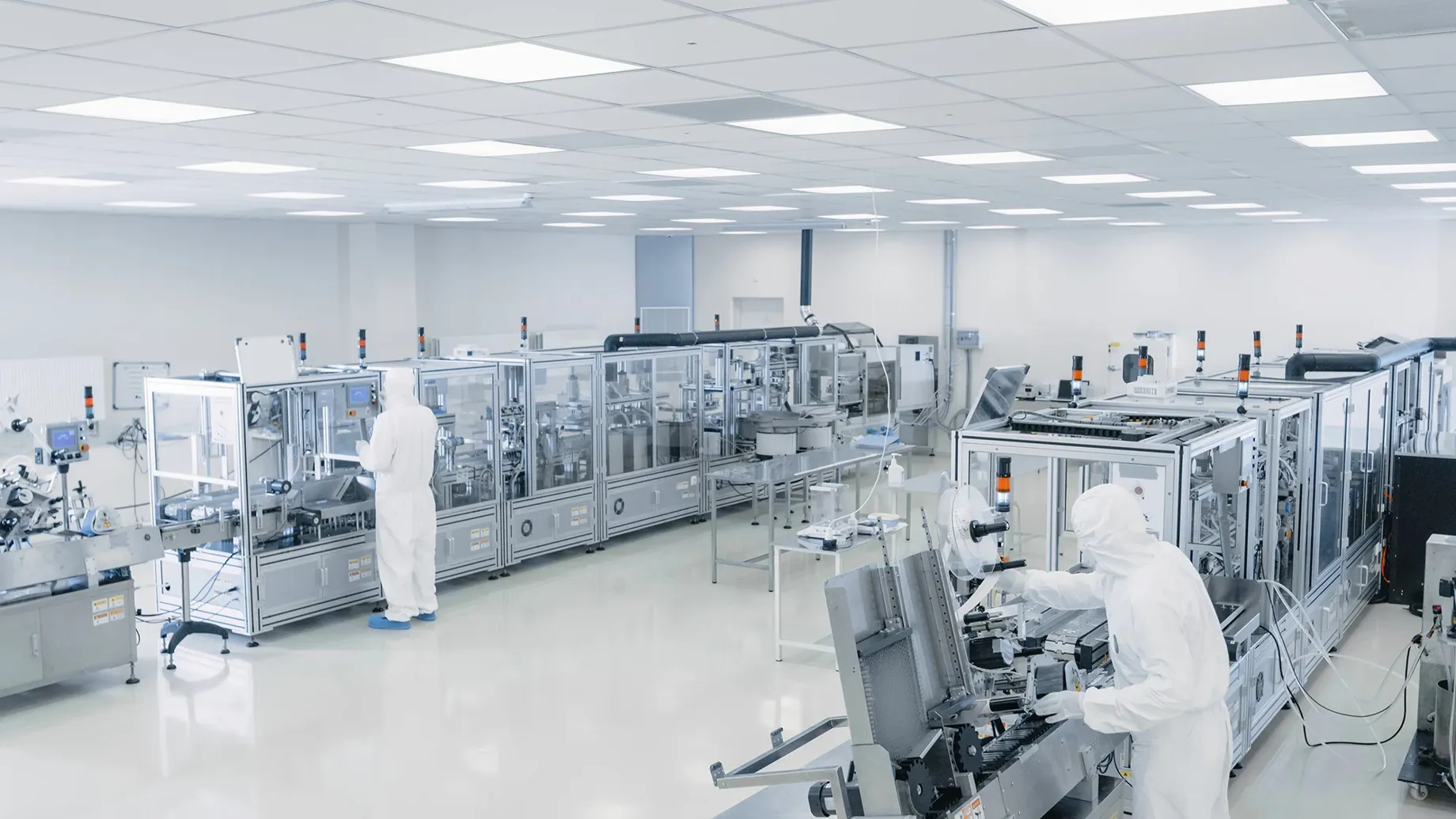
Controlled environments, clean rooms, ventilation systems, and precision manufacturing equipment create significant energy demands. Reliability, compliance, and environmental control are key operational priorities.
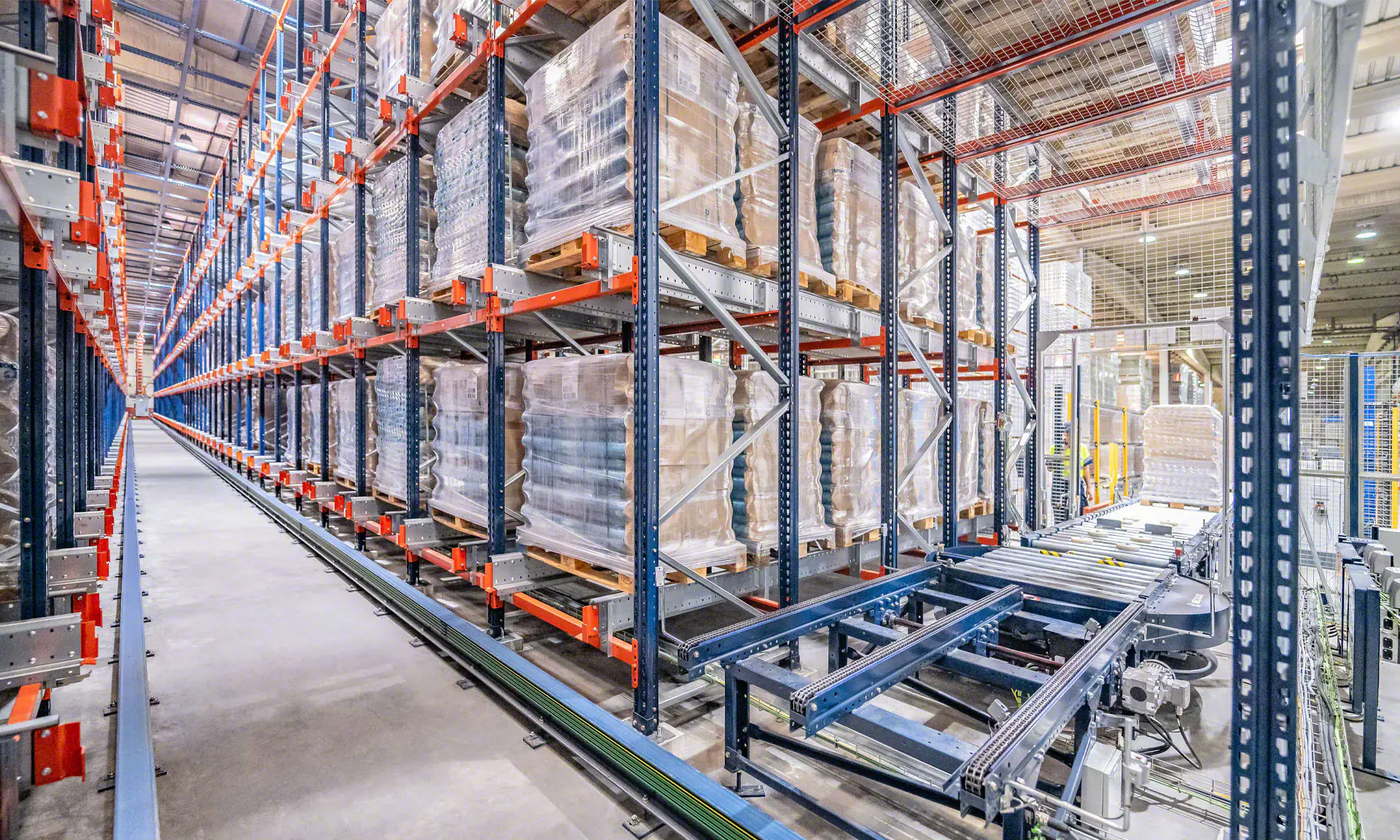
Large-scale industrial facilities and manufacturing warehouses consume energy through lighting, material handling systems, HVAC equipment, and logistics operations. Energy upgrades can improve efficiency across both production and storage environments.
Not sure which sub-sector best describes your operation? That's usually the right place to start a conversation. A 20-minute call is enough to map your load profile against the right scope of work.
Most manufacturing facilities already have enough operational and utility data to identify meaningful energy-saving opportunities. The first step is understanding how the facility consumes power across shifts — and where the strongest financial positioning exists.
We review your facility type, shift patterns, equipment loads, BEPS exposure, and current priorities. No commitment required.
Interval and utility billing data help identify:
We produce a facility-specific baseline covering consumption, demand, GHG emissions, and a ranked list of measures — the reference point for every subsequent decision in the program.
Manufacturing-specific questions about energy, demand, solar, and compliance.
Peak demand is the highest rate of electricity consumption recorded in a 15-minute interval within a billing month, measured in kilowatts (kW). Ontario electricity rates include a demand charge component calculated against this figure — meaning a single production spike can set the demand charge for the entire month. For manufacturing facilities running continuous production, demand charges can represent 30–50% of the total electricity bill. Identifying and reducing peak demand — through load scheduling, HVAC optimisation, or battery storage — is often the highest-return energy investment available before solar is considered.
Solar generation is highest during daytime hours and zero at night. For facilities running continuous 24/7 production schedules, solar typically offsets daytime consumption and reduces the amount of electricity purchased from the grid during peak rate periods. Battery storage can extend the value of solar into evening and overnight periods by capturing excess daytime generation and discharging it when solar output is unavailable. The specific economics depend on the facility's load profile, shift patterns, and rate structure — which is why the assessment starts with utility interval data, not a roof measurement.
For manufacturing facilities where full or near-full electricity offset is the goal, looking at efficiency and generation together tends to produce better outcomes. If a facility has addressable demand charges, poorly scheduled HVAC, or aging lighting across large production areas, reducing that load first means a solar system can be sized for the optimized facility rather than the current one. The Ce De Candy program delivered $7.2M in lifetime savings using exactly this sequence — efficiency and generation planned across 11 projects over several years.
On completed GI manufacturing projects, payback has ranged from approximately 4–7 years depending on system size, facility consumption, and incentive access. Manufacturing facilities with high daytime electricity loads and significant peak demand charges tend to achieve payback toward the lower end of that range — because the project addresses both energy volume and demand charges simultaneously. The Ce De Candy program achieved a blended payback of 4.2 years across all 11 projects. A project-specific financial model is required to determine where your facility lands — the variables are too facility-specific for a generic estimate to be meaningful.
Ontario's Building Emissions Performance Standard (BEPS) sets emissions intensity limits for large commercial and industrial buildings. Manufacturing facilities above the size threshold will be required to demonstrate emissions reductions on a defined compliance schedule. On-site solar generation directly reduces a facility's grid electricity consumption and the associated GHG emissions — both inputs to BEPS calculations. An energy program that combines demand reduction and solar generation is also the program that produces the documented emissions data required for BEPS reporting. The earlier a facility begins, the more flexibility it has in how the compliance target is met.
Straight answers from our engineering team — explore the most-asked questions on this topic.