

Four reasons LED retrofits improve facility performance.
LED retrofits are among the fastest-return energy upgrades in commercial and industrial facilities — reducing electricity consumption, lowering maintenance requirements, and improving operational visibility across the building.
Reduce lighting electricity consumption immediately.
Modern LED systems significantly lower lighting energy use while improving operational efficiency across the facility.
Reduce fixture failures and maintenance interruptions.
Commercial LED fixtures last significantly longer than HID and fluorescent systems, reducing replacement and labor costs.
Improve lighting quality across critical work areas.
Uniform lighting improves visibility, safety, and working conditions in production, warehousing, and loading environments.
Lower project cost through available programs.
Utility incentives and lighting controls can significantly improve project economics and shorten payback periods.
Green Integrations designs and manages commercial LED retrofit projects for manufacturing, warehousing, food processing, agriculture, and commercial facilities across Canada — including lighting design, incentive support, installation coordination, and long-term performance planning. The objective is simple: reduce operating costs, improve facility performance, and create measurable ROI with minimal operational disruption.

Pay it back in three.
Save for fifteen.
The economics of a commercial LED retrofit, shown with real reductions from completed GI installations.
Retrofit pays for itself through energy savings and saveONenergy incentives.
Commercial-grade LED fixtures continuing to deliver reduced lighting load and demand charges well past payback.
Aryzta Foods. 66.2% energy reduction.
LED lighting retrofit at a food manufacturing facility in Ancaster, Ontario — replacing legacy lighting across production and support areas, qualifying for saveONenergy incentives.

Food manufacturing · Ancaster, ON · 1770 Fiddlers Green Road. Production and support areas operating on extended schedules in a temperature-controlled food-safe environment.
Legacy lighting across large production areas contributing to high electricity consumption and elevated peak demand. Consistent lighting quality essential in a food manufacturing environment.
High-efficiency LED fixtures specified for food manufacturing applications — designed for consistent performance in a demanding operating environment with reduced maintenance requirements.
Qualified for saveONenergy Retrofit Incentive Program. Incentive calculated based on reductions in energy use and electrical demand. Documentation and submission managed by GI as part of project scope.
From lighting survey to incentive cheque.
Commercial LED retrofits require detailed planning, coordinated execution, and accurate incentive management. We handle the full process—from assessment and installation to incentive submission and payout support.
Survey
Existing fixtures are inventoried by type, quantity, wattage, and operating hours. The assessment identifies which replacements will deliver the highest energy and demand reductions and confirms eligibility under the saveONenergy Retrofit Incentive Program.
Specify
LED fixtures are specified by area — production floors, warehouses, offices, external. Photometric calculations confirm maintained illumination levels. Incentive application documentation is prepared in parallel with the design.
Install
Installation is sequenced around production schedules. Most commercial retrofits are completed area by area with no full operational shutdown required. Old fixtures are removed and disposed of, including lamp recycling.
Submit
Final incentive documentation is completed and submitted following installation. We manage the submission process, coordinate any required follow-ups, and remain involved until incentive payment is received.
Commercial lighting designed around how facilities operate.
Lighting requirements vary significantly across commercial and industrial facilities. Runtime hours, environmental conditions, maintenance access, visibility requirements, and operating schedules all shape how lighting systems should be designed and upgraded.
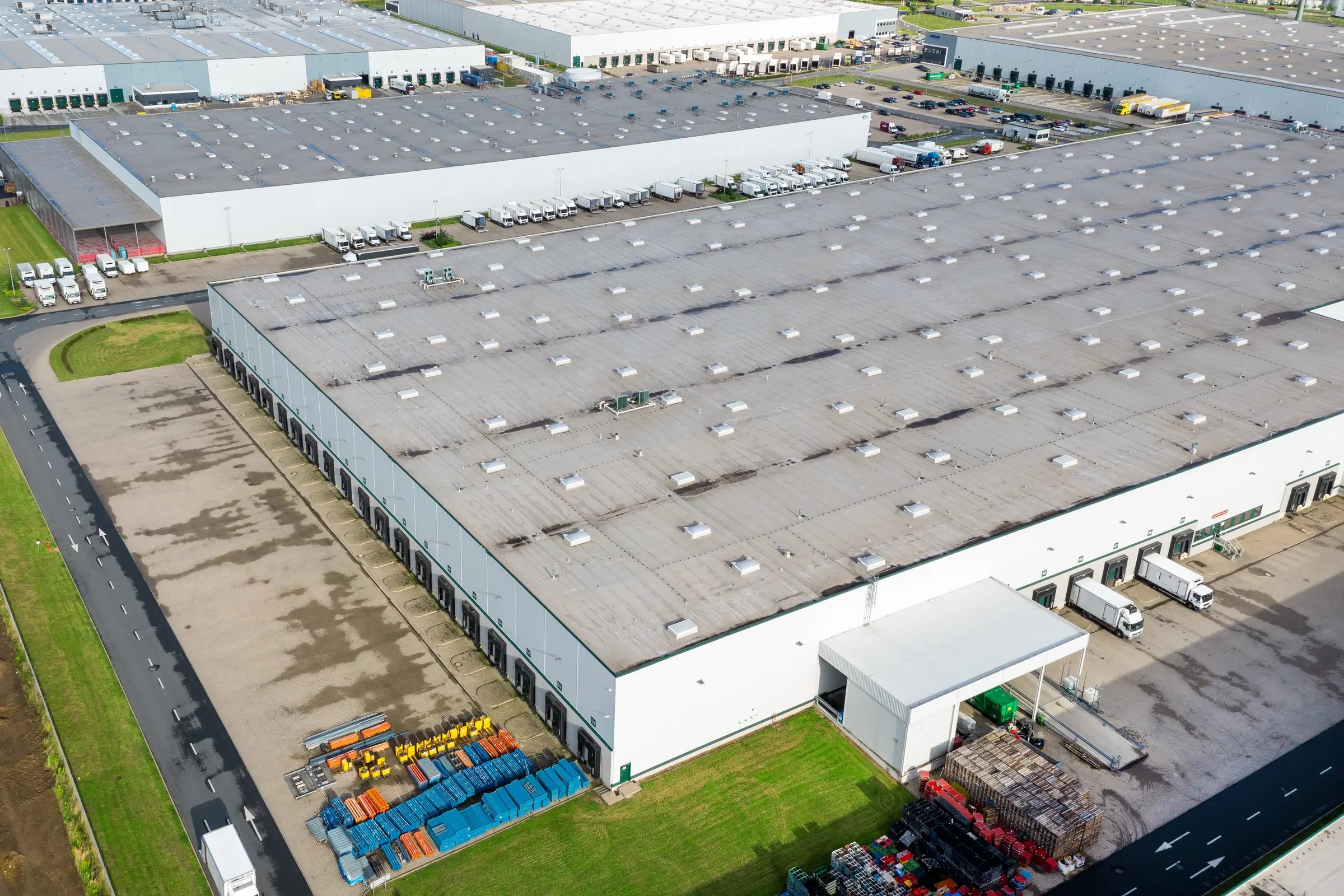
Warehousing & Logistics
Large operating windows and high-bay lighting systems create strong opportunities for LED retrofits, lighting controls, and operational energy reduction.
Distribution centres · Fulfillment hubs · Logistics facilities
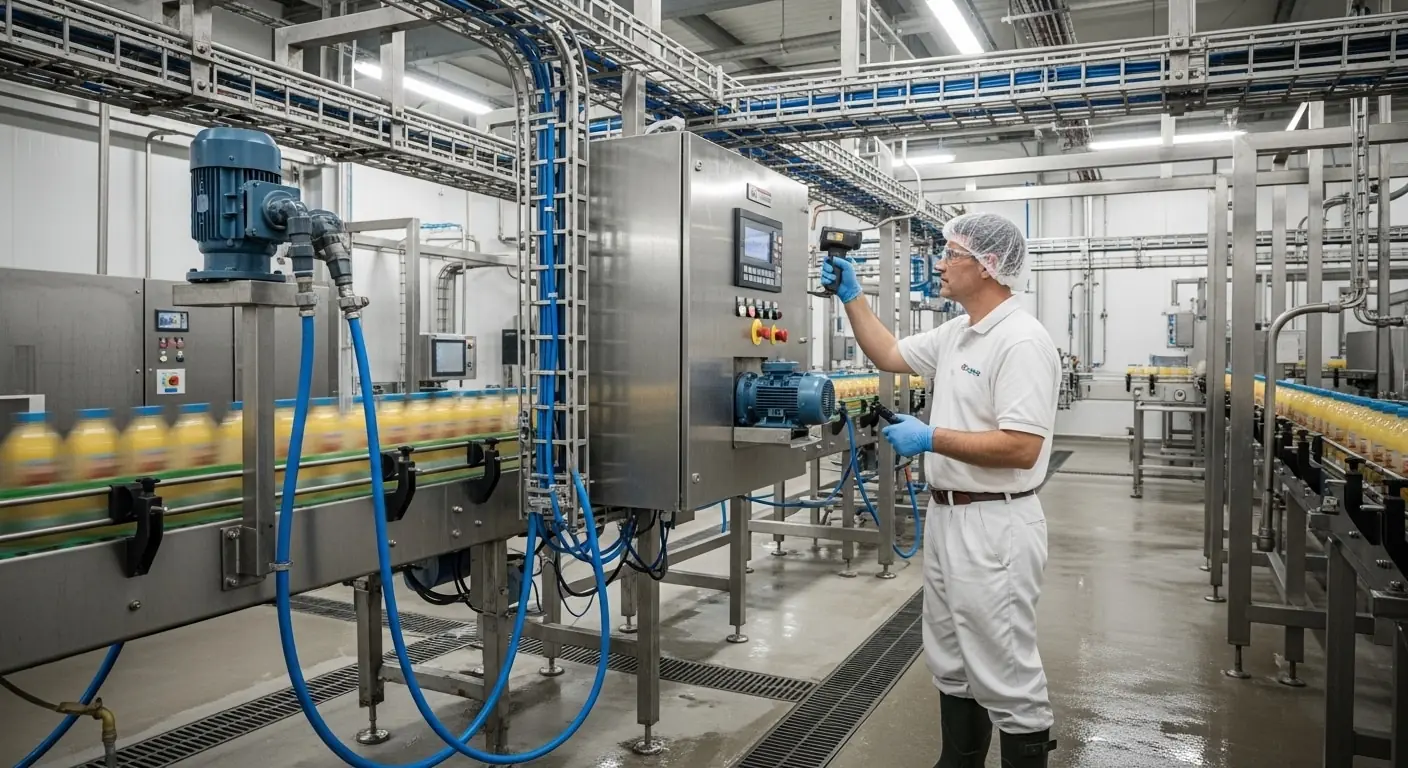
Food & Beverage
Lighting systems in food facilities must support production visibility, sanitation requirements, and continuous operating schedules without disrupting operations.
Food processing · Beverage production · Packaging lines
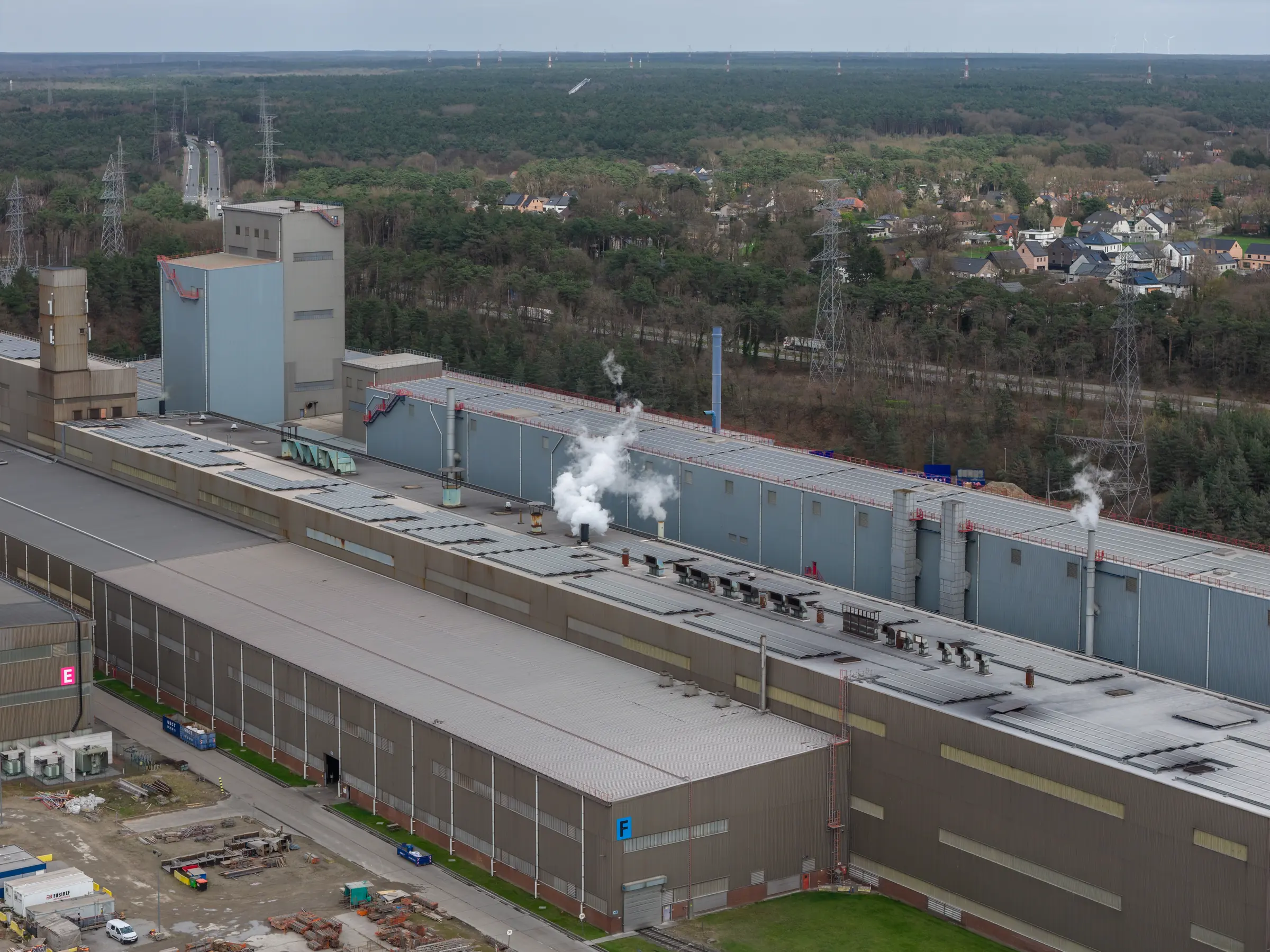
Manufacturing
Production facilities benefit from upgraded lighting quality, reduced maintenance interruptions, and lower electrical operating costs across process areas.
Heavy manufacturing · Process equipment · Industrial production

Commercial Real Estate
Modern lighting systems improve building appearance, tenant comfort, and operating efficiency while supporting ESG and property modernization initiatives.
Office towers · Retail centres · Mixed-use properties

Hazardous Environments
Hazardous-location lighting upgrades improve reliability, visibility, and maintenance access in environments requiring explosion-proof or specialty-rated fixtures.
Oil & gas · Chemical processing · Dust-sensitive facilities
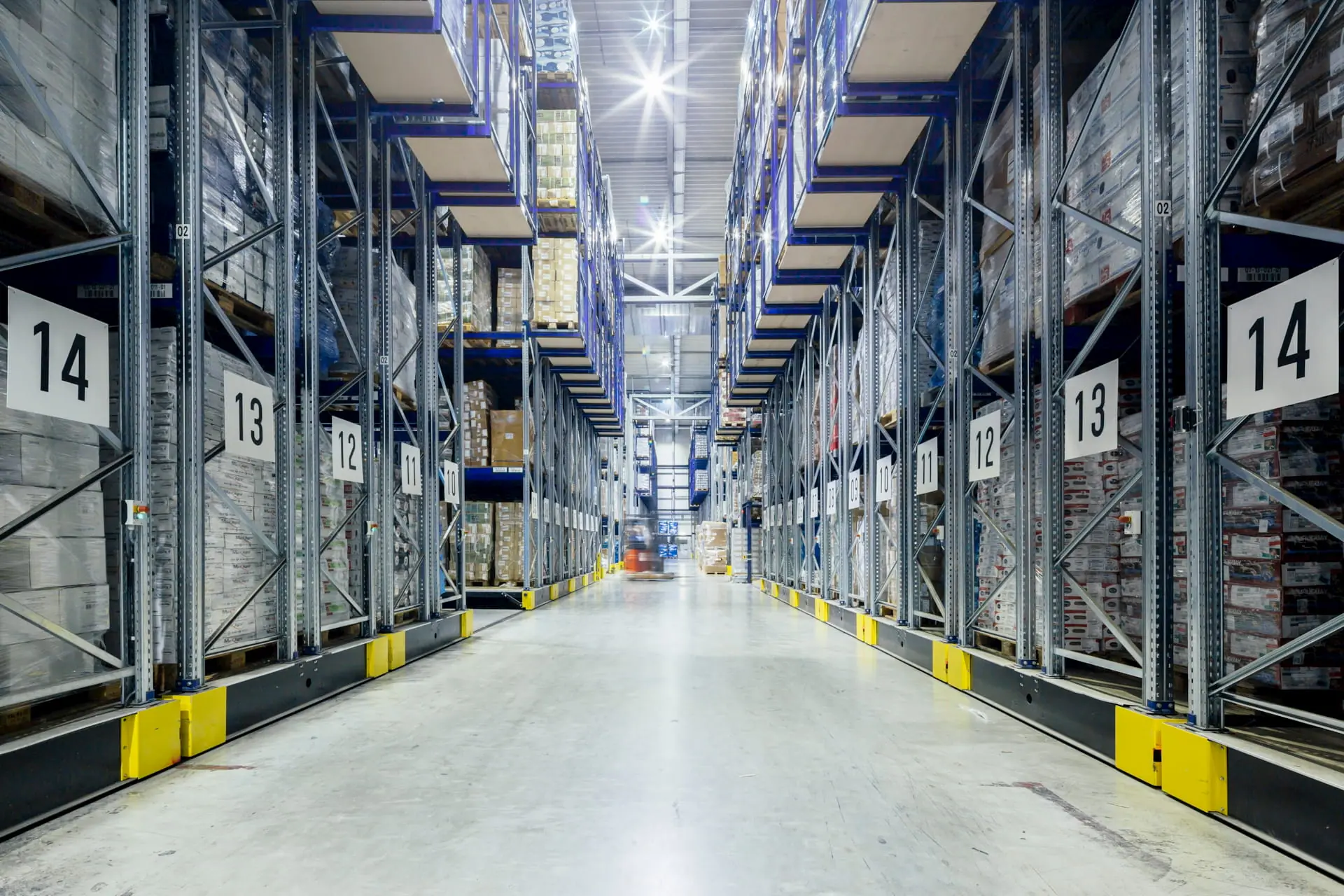
Cold Storage & Refrigeration
Cold storage facilities require lighting systems designed for refrigerated environments, long operating hours, and maintenance-sensitive applications.
Cold storage · Refrigerated logistics · Freezer facilities
Not sure where your facility fits? That's usually the right place to start a conversation. A 20-minute call is enough to map your lighting load against the right retrofit scope.
Services that extend the value of LED.
Each solution integrates into the same long-term energy strategy, helping facilities evaluate energy efficiency, on-site generation, demand management, and future electrification opportunities together.
Frequently asked questions.
LED retrofit questions specific to commercial and industrial facilities.
With saveONenergy Retrofit Incentive Program funding, commercial LED retrofits in Ontario typically achieve payback in one to three years. Without incentives, payback is typically two to five years depending on current fixture type, operating hours, and local electricity rates. The fastest payback is in facilities with the oldest, highest-wattage legacy fixtures running the longest hours — which describes most large manufacturing and warehouse environments. LED retrofits consistently deliver the shortest payback of any commercial energy measure.
The IESO saveONenergy Retrofit Program provides incentives for commercial LED lighting upgrades in Ontario through two primary approaches: Prescriptive incentives: Fixed incentive amounts based on approved fixture and retrofit types Custom incentives: Calculated based on verified reductions in electricity consumption (kWh) and electrical demand (kW) for more complex or larger-scale projects Most straightforward LED retrofit projects qualify under the prescriptive stream, while facilities with more advanced lighting systems, controls strategies, or larger energy reductions may benefit from a custom engineering approach. Incentive amounts vary based on fixture type, operating hours, project scale, and the total energy and demand reductions achieved. GI manages the full incentive process as part of the project scope—including eligibility review, application preparation, supporting documentation, submission coordination, and final incentive payout support.
Commercial LED lighting retrofits can be disruptive if they are not properly planned—but experienced project coordination significantly reduces operational impact. Most commercial and industrial LED retrofit projects are completed in phases, with installation scheduled around production hours, shift changes, occupancy schedules, and operational requirements. Work can often be completed area-by-area without requiring a full facility shutdown. For manufacturing plants, warehouses, distribution centres, and 24/7 operations, careful sequencing is critical. Temporary lighting, lift coordination, electrical shutdown planning, and safety procedures all need to be managed to maintain productivity and site safety throughout the retrofit process. GI has completed LED retrofits in active commercial and industrial environments ranging from warehouses and food manufacturing facilities to complex operating facilities with continuous production requirements. The installation approach is developed around the facility. In most cases, the largest operational risk is not the installation itself, but poor planning and coordination. A properly managed retrofit minimizes disruption while improving lighting quality, reducing maintenance requirements, and lowering ongoing electricity costs.
LED lighting systems use significantly less electricity than traditional fluorescent fixtures while delivering the same—or better—light output. In most commercial and industrial facilities, LED retrofits reduce lighting energy consumption by 40–70%, while also lowering maintenance requirements and improving overall lighting quality. One of the biggest differences is system lifespan. Industrial-grade LED fixtures commonly operate for 50,000–100,000+ hours, compared to roughly 10,000–20,000 hours for fluorescent systems. This substantially reduces lamp replacements, ballast failures, maintenance labour, and lift rental costs in high-bay or difficult-to-access environments. LED systems also perform better in demanding industrial conditions, including: Cold storage and low-temperature environments Facilities with vibration or mechanical movement Long operating-hour applications Warehouses, manufacturing plants, and distribution centres requiring consistent illumination levels Unlike fluorescent fixtures, LED systems maintain more stable light output over time, reach full brightness instantly, and integrate more effectively with occupancy sensors, daylight controls, and advanced energy management strategies. For many industrial facilities, the upgrade is not just about energy savings—it is also about improving visibility, safety, maintenance efficiency, and long-term operating costs.
Yes — LED fixtures draw less power than the legacy fixtures they replace, which reduces the facility’s electrical demand in real time. In facilities where lighting operates during peak demand windows, the reduction in lighting load contributes directly to a lower demand figure and a lower monthly demand charge. For facilities where lighting represents a significant share of total load, the demand saving can be material.
Yes — LED retrofits reduce baseline consumption before a solar system is sized. A smaller solar system sized to a lower, optimised baseline costs less in capital and achieves better performance across its operating life. The saveONenergy Retrofit Incentive Program for LED and the solar incentive program can be stacked on the same project — reducing the upfront cost of both investments simultaneously.
Commercial LED Lighting Questions
Straight answers from our engineering team — explore the most-asked questions on this topic.
- What is the payback period for a commercial LED lighting retrofit in Ontario?
- What saveONenergy incentives are available for commercial LED lighting in Ontario?
- How disruptive is a commercial LED lighting retrofit to daily operations?
- What is the difference between LED and fluorescent lighting for industrial facilities?
- What is the typical payback for a high-bay LED retrofit?
- Does LED lighting reduce peak demand charges?