
01
Demand-Charge Reduction
Solar generation offsets daytime charging demand while battery storage dispatches during peak charging periods—helping flatten facility demand spikes and reduce monthly demand charges.
Commercial EV charging infrastructure supports fleet electrification, tenant expectations, and long-term property modernization — while positioning facilities for the next phase of transportation and energy transition.
EV infrastructure helps facilities prepare for fleet vehicles, service operations, and future transportation electrification.
Commercial charging stations improve property competitiveness and support workplace and visitor convenience.
Federal and provincial funding can significantly offset EV charging infrastructure investments.
Charging systems can be planned around future fleet growth, load management, and site capacity requirements.
Green Integrations designs and manages commercial EV charging projects including infrastructure planning, utility coordination, electrical design, incentives, and turnkey installation for commercial and industrial facilities across Canada.
Commercial EV infrastructure is an electrical project first — site capacity, panel headroom, and load management are determined before a charger model is specified.
Existing electrical capacity, panel headroom, and available load are assessed alongside current and projected fleet size. Charger level (Level 1, 2, or DC fast) is confirmed based on vehicle dwell time, charge speed requirements, and electrical capacity.
Charging system design covers charger type and quantity, placement, load management strategy, and integration with solar or storage where in scope. Incentive applications are prepared in parallel with the design.
ESA-licensed installation covering panel upgrades where required, conduit and cabling, charger mounting, and network configuration. Commissioning includes charge management platform setup and driver orientation.
Charge management software monitors utilisation, manages load to avoid demand-charge increases, and provides fleet operators with charging cost and utilisation reporting.
The right level depends on how long vehicles are parked, how much charge they need per session, and what the facility’s electrical infrastructure can support.
Vehicles parked 8–12+ hours overnight. Personal vehicles with low daily mileage.
Rarely specified for commercial installations. No electrical panel upgrade typically required. Limited to very low charge volume applications.
Employee parking, fleet vehicles, retail, warehousing, hospitality. Vehicles parked 2–8 hours.
Standard commercial installation. Networked with load management. Qualifies for federal Clean Technology ITC. Electrical upgrade may be required for larger deployments.
High-throughput public charging, transit depots, commercial fleets needing fast turnaround.
Significant electrical infrastructure required — typically a dedicated transformer. Higher capital cost. Best justified for high-utilisation or mandatory fast-charge applications.
For most commercial and industrial facilities in Canada, Level 2 is the right starting point. It provides adequate charging speed for typical fleet and employee dwell times, qualifies for federal incentives, and does not require the electrical infrastructure investment of DC fast charging. Level 3 is specified where the application demands it — not as a default upgrade.
Commercial EV charging applies across property types — from residential and office to retail, logistics, and fleet operations. The right scope depends on dwell time, vehicle mix, and electrical capacity.
Residential buildings with structured parking require charging infrastructure planned around suite count, electrical service capacity, and strata or ownership governance requirements.
Distribution and fulfilment facilities operate continuous loading schedules and increasing electric fleet requirements. Charging infrastructure is planned around operating hours, load management, and available electrical capacity.
Retail properties with customer parking benefit from Level 2 charging stations that support longer dwell times. Infrastructure is planned around parking turnover, service capacity, and co-location with on-site solar where applicable.
Office and mixed-use properties require charging infrastructure for employees, tenants, and visitors — planned around daytime occupancy patterns, parking allocation, and building electrical capacity.
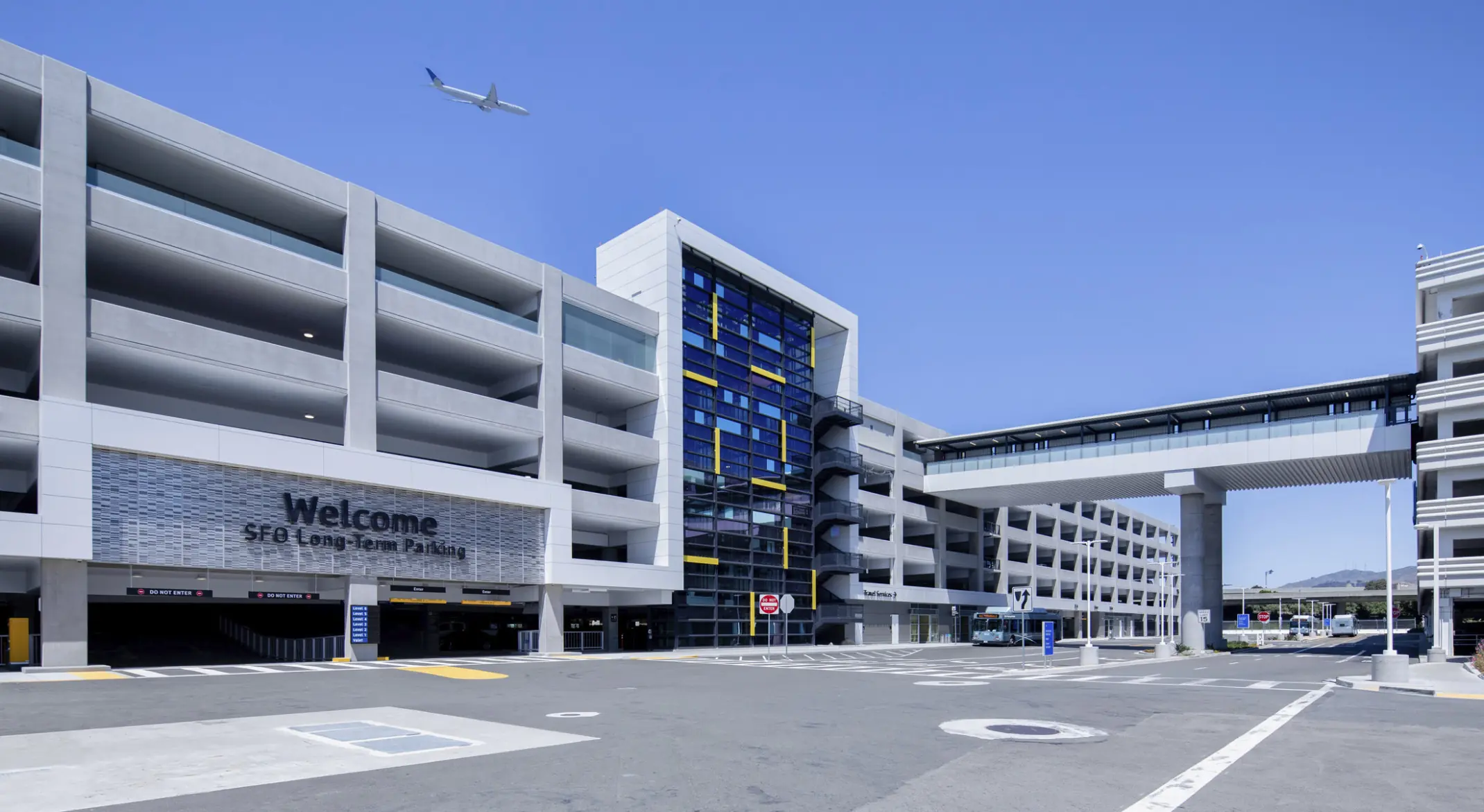
Stand-alone and structure-integrated parking facilities require charging systems scaled to stall count, turnover rate, and utility service constraints — with load management to control demand charges.
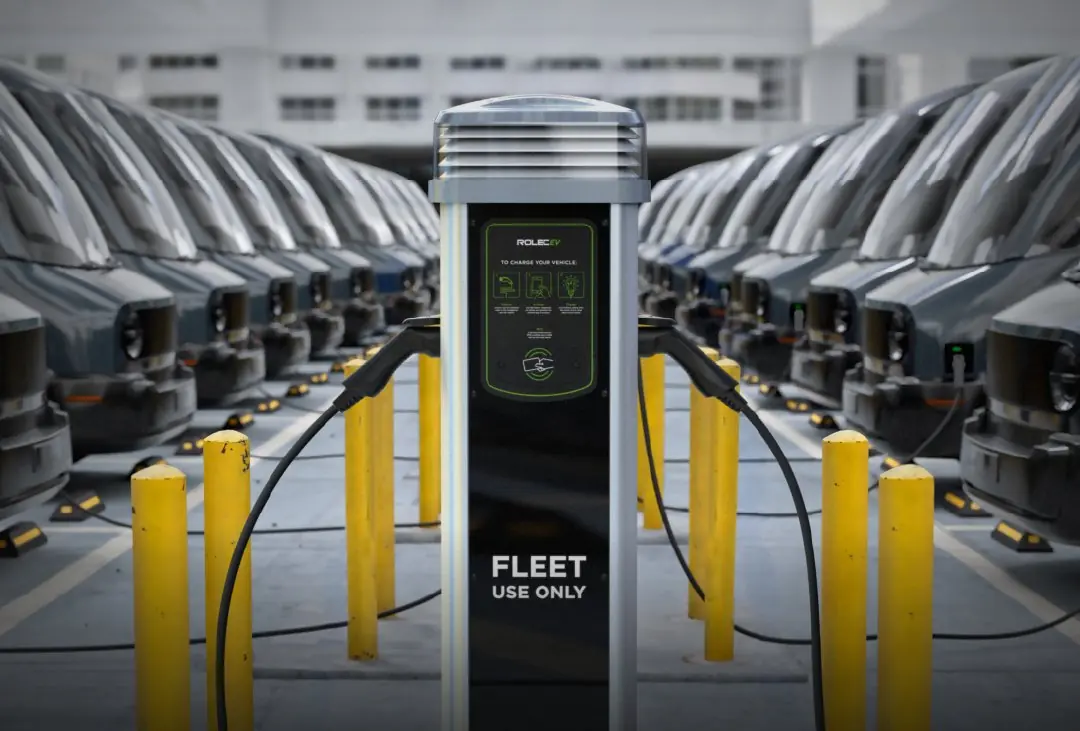
Commercial and service vehicle depots require dedicated charging infrastructure planned around fleet size, overnight charge windows, vehicle mix, and connection to on-site solar or battery storage where applicable.
Not sure where your facility fits? That's usually the right place to start a conversation. A 20-minute call is enough to map your charging requirements against the right scope of work.
Responsive and aligned with operational constraints.
Green Integrations worked within our site requirements and timelines, delivering a professional and responsive experience from assessment through execution.
Each solution integrates into the same long-term energy strategy, helping facilities evaluate charging infrastructure, on-site generation, energy storage, and future electrification requirements together.
EV charging questions specific to commercial and fleet applications in Canada.
Level 1 uses a standard 120V outlet and delivers 1.4–1.9 kW — roughly 8–12 km of range per hour. No electrical upgrade required. Suitable only for very small fleets with long overnight dwell times. Rarely specified for commercial installations. Level 2 uses 208–240V AC and delivers 3.3–19.2 kW — typically 50–80 km of range per hour in commercial configurations. It is the standard for C&I facilities: employee parking, fleet vehicles, warehousing, retail. Qualifies for the federal Clean Technology Investment Tax Credit. May require a panel upgrade for larger deployments. Level 3 (DC fast charging) delivers 50–350+ kW of DC power directly to the battery — 100–350 km of range in 30 minutes. Requires significant electrical infrastructure, typically a dedicated transformer. Best justified for high-throughput public charging, transit depots, or fleets requiring fast turnaround. For most C&I facilities, Level 2 is the right starting point. Electrical infrastructure installed for Level 2 can often accommodate DC fast charging later without a full rebuild.
Without load management, EV charging can trigger peak demand charges — particularly when multiple vehicles charge simultaneously during high-demand periods. Charge scheduling software distributes charging across lower-demand periods, preventing the demand spikes that increase monthly billing. For facilities with battery storage, the storage system can buffer EV charging demand during peak hours. A properly designed charging system does not materially increase a facility’s demand charges — but an unmanaged one can. This is why the electrical profile is assessed before any charger is specified.
Ontario’s Building Emissions Performance Standard sets carbon intensity limits for large commercial buildings. EV charging infrastructure supports BEPS compliance by enabling fleet electrification — reducing on-site fossil fuel use and documented scope 1 emissions. Buildings where EV charging is powered by renewable electricity from rooftop solar can document a direct emissions reduction relevant to BEPS reporting cycles.
The incentive stack for commercial EV charging in Canada typically includes: Federal Clean Technology Investment Tax Credit — up to 30%, refundable, on eligible EV charging infrastructure capital costs. Accelerated First-Year Capital Cost Allowance — 100% first-year CCA on eligible clean energy assets, enhancing depreciation in the year of acquisition. Utility & regional incentives — utility, municipal, and provincial funding programs that vary by region and availability. All applicable incentives are identified and built into the project financial model as part of the assessment process.
Yes—but commercial EV charging systems are not typically powered directly from solar panels alone. Because solar production is intermittent, it may not align with when vehicles actually need to charge. Instead, rooftop solar, battery storage, EV charging infrastructure, and the building electrical system usually operate together in parallel as part of a broader energy system. During daytime hours, on-site solar generation can offset a portion of the facility’s electrical consumption—including EV charging demand—reducing grid consumption and helping lower peak demand charges. Battery storage adds additional flexibility by storing excess solar generation for later use during higher-demand charging periods or evening fleet charging windows. This integrated approach provides a larger long-term benefit because the solar and battery systems continue supporting the building’s overall energy profile even when EV charging demand is low or inactive. When EV charging, solar, and battery storage are all in scope, the systems should be designed and financially modelled together to optimize electrical infrastructure sizing, operating costs, demand management, and long-term expansion planning.
The number depends on fleet size, vehicle dwell time, and how much charge each vehicle needs per session. A Level 2 charger running for 8 hours delivers roughly 50–80 km of range — one charger per two or three vehicles is typically adequate for overnight fleet charging. For employee parking or retail, charger count is based on the proportion of EV drivers and projected growth. The electrical assessment establishes how many chargers the existing infrastructure can support before upgrades are specified.
A typical installation of 4–12 Level 2 chargers at a single site takes two to four weeks from permit approval to commissioning. Panel upgrades, if required, add two to four weeks. DC fast charging installations requiring transformer upgrades may take six to ten weeks. For multi-site fleet programs, installations are sequenced to minimize disruption at each location. All permits, utility notifications, and ESA inspections are managed as part of the project scope.
Straight answers from our engineering team — explore the most-asked questions on this topic.