#1Reality
High consumption. High energy cost.
Food manufacturing facilities operate with large electrical loads that run continuously — especially refrigeration, processing, and ventilation systems.
Food manufacturing facilities operate with large electrical loads that run continuously — especially refrigeration, processing, and ventilation systems.
High-consumption facilities are increasingly exposed to rising utility rates, demand charges, and long-term energy cost volatility.
Rising operating costs directly impact profitability in competitive food manufacturing and distribution environments.
Solar, storage, lighting, and electrical upgrades help reduce operating costs and improve long-term energy predictability.
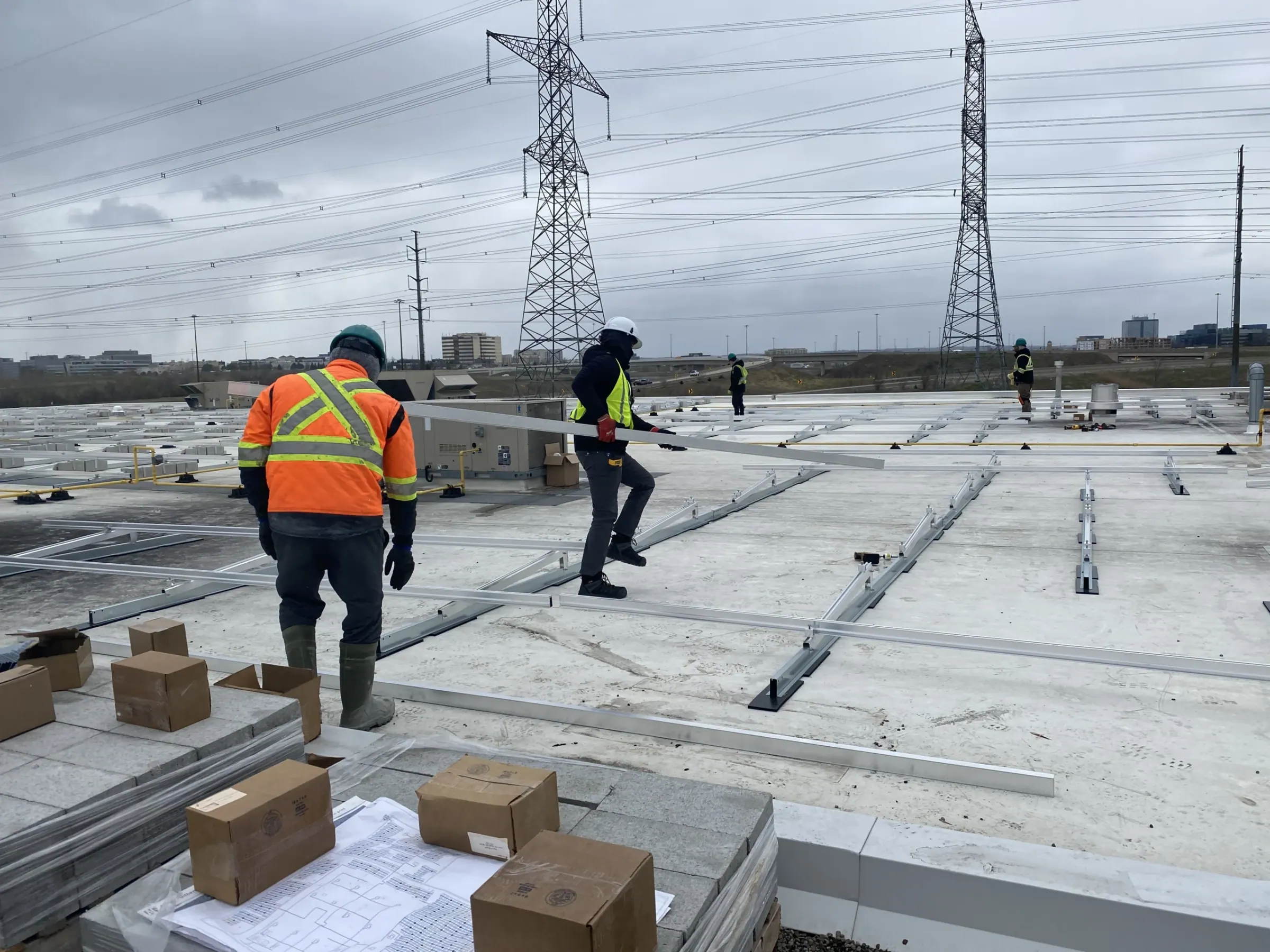
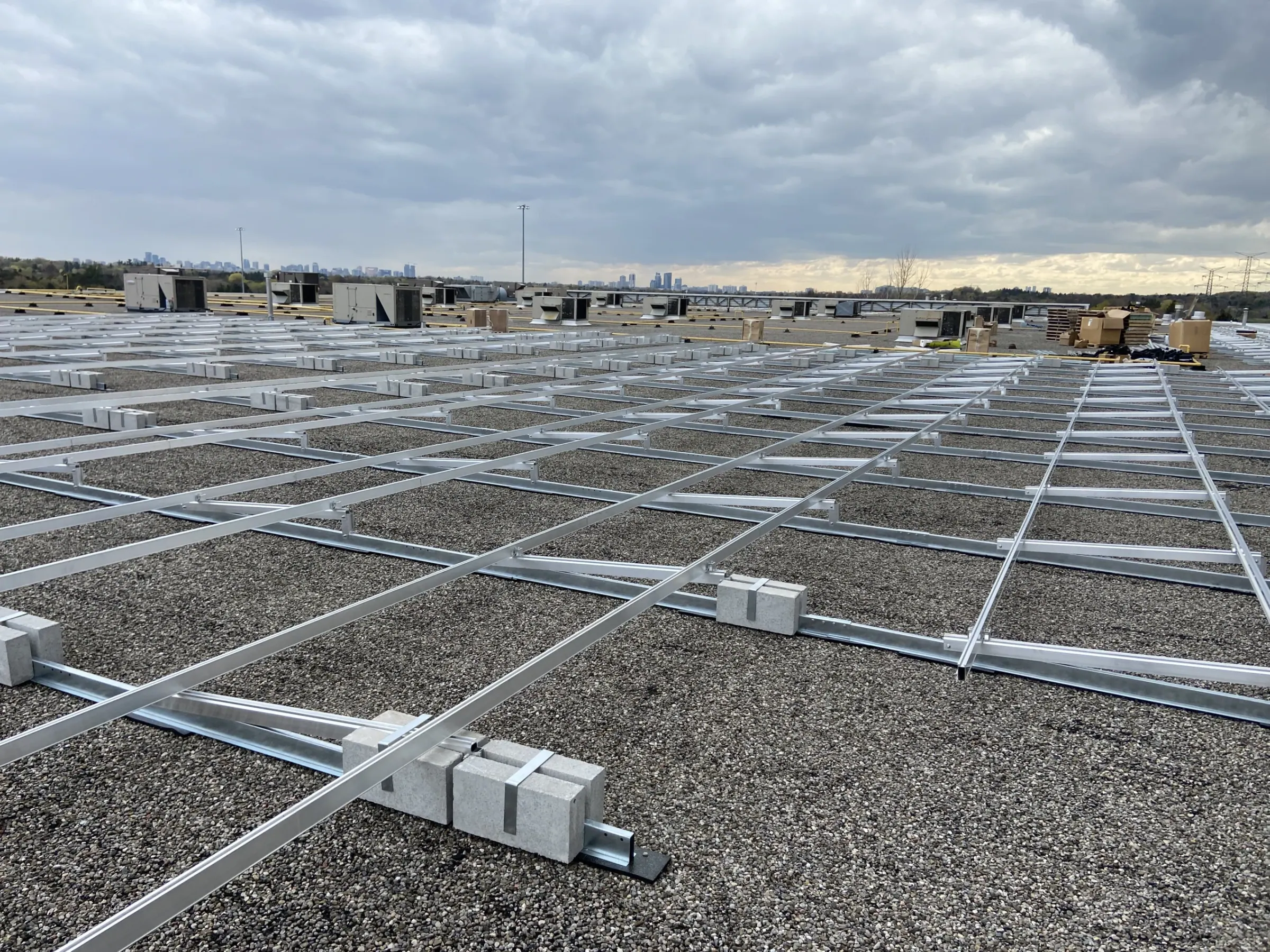
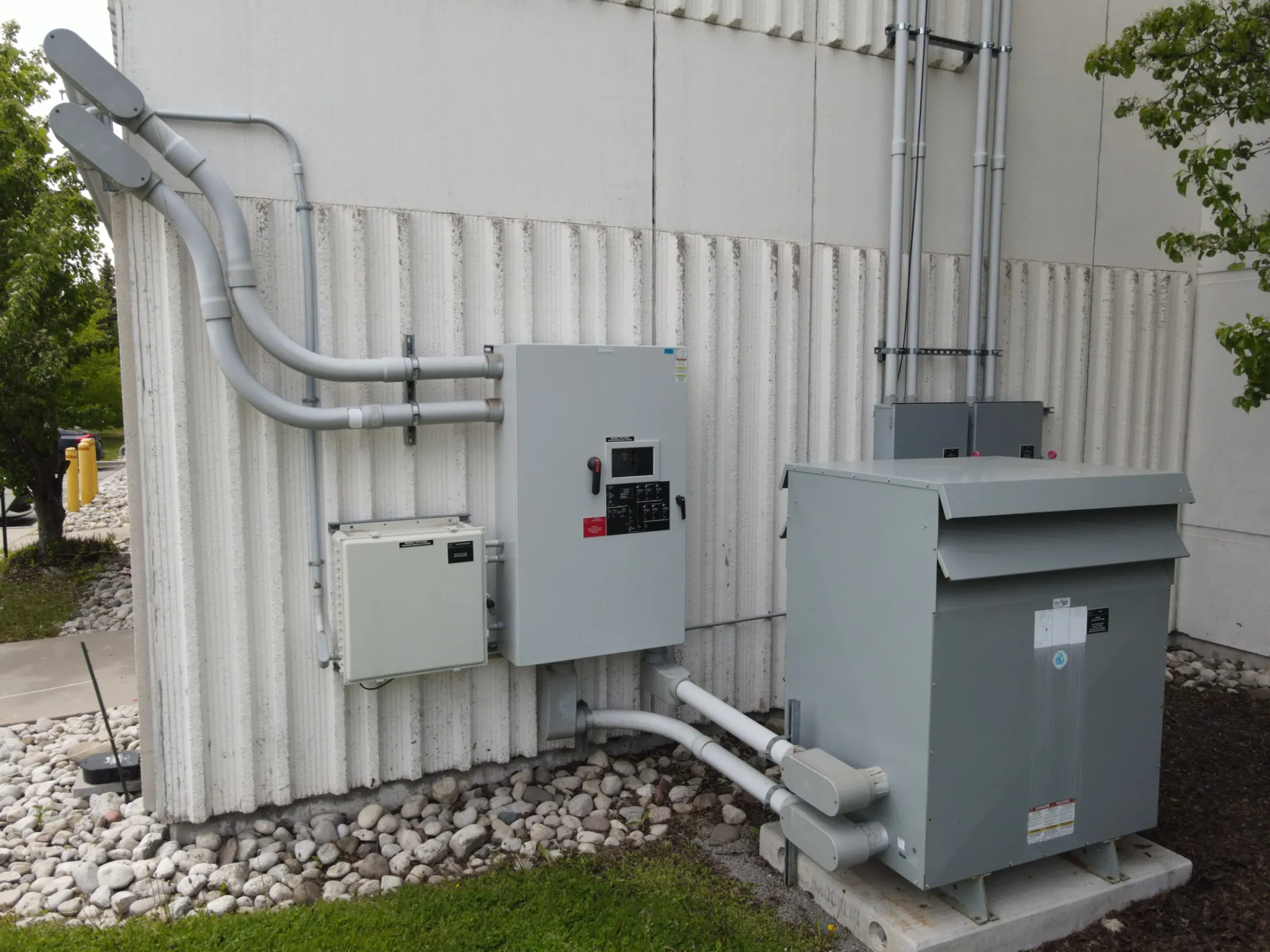
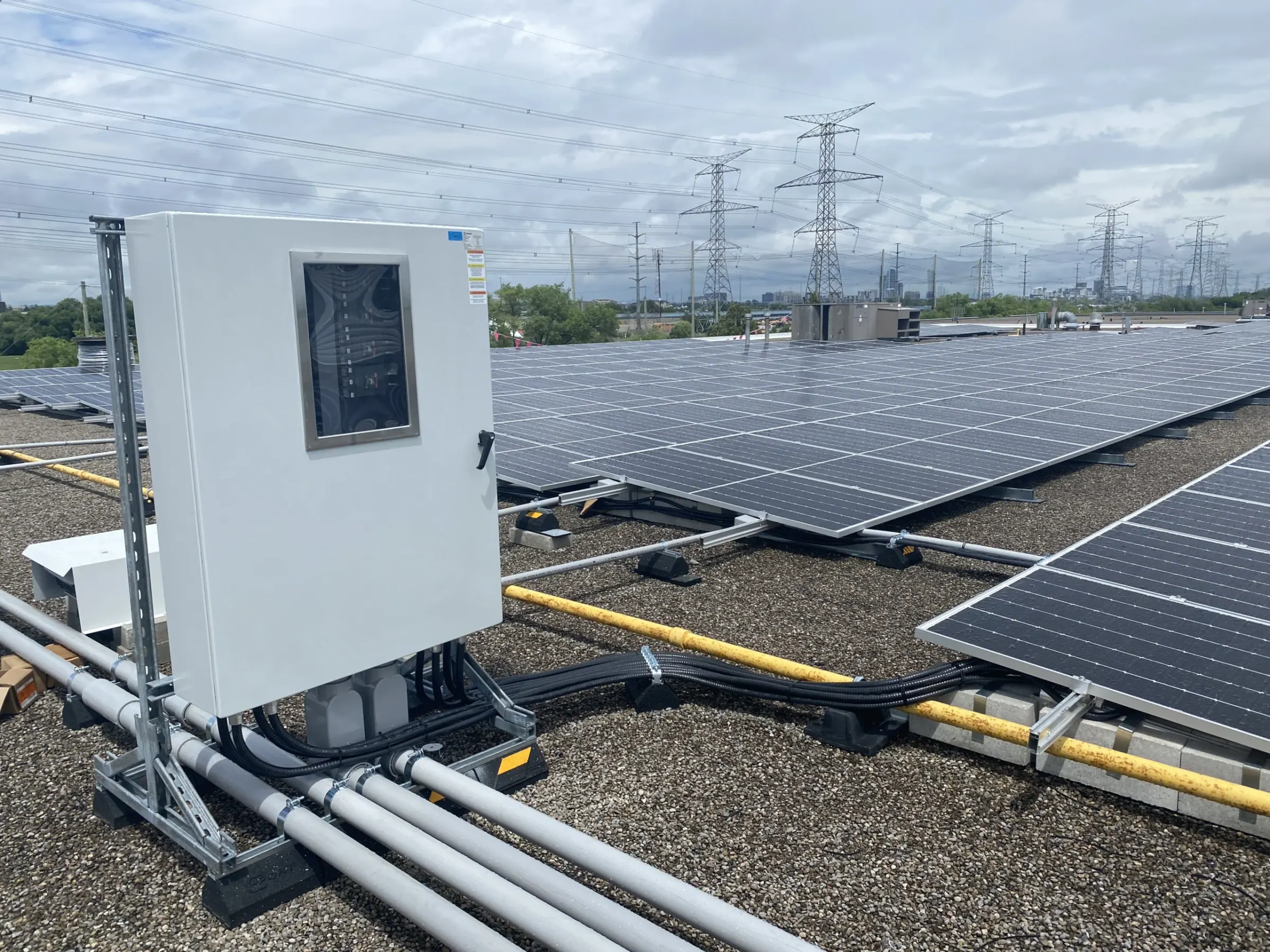
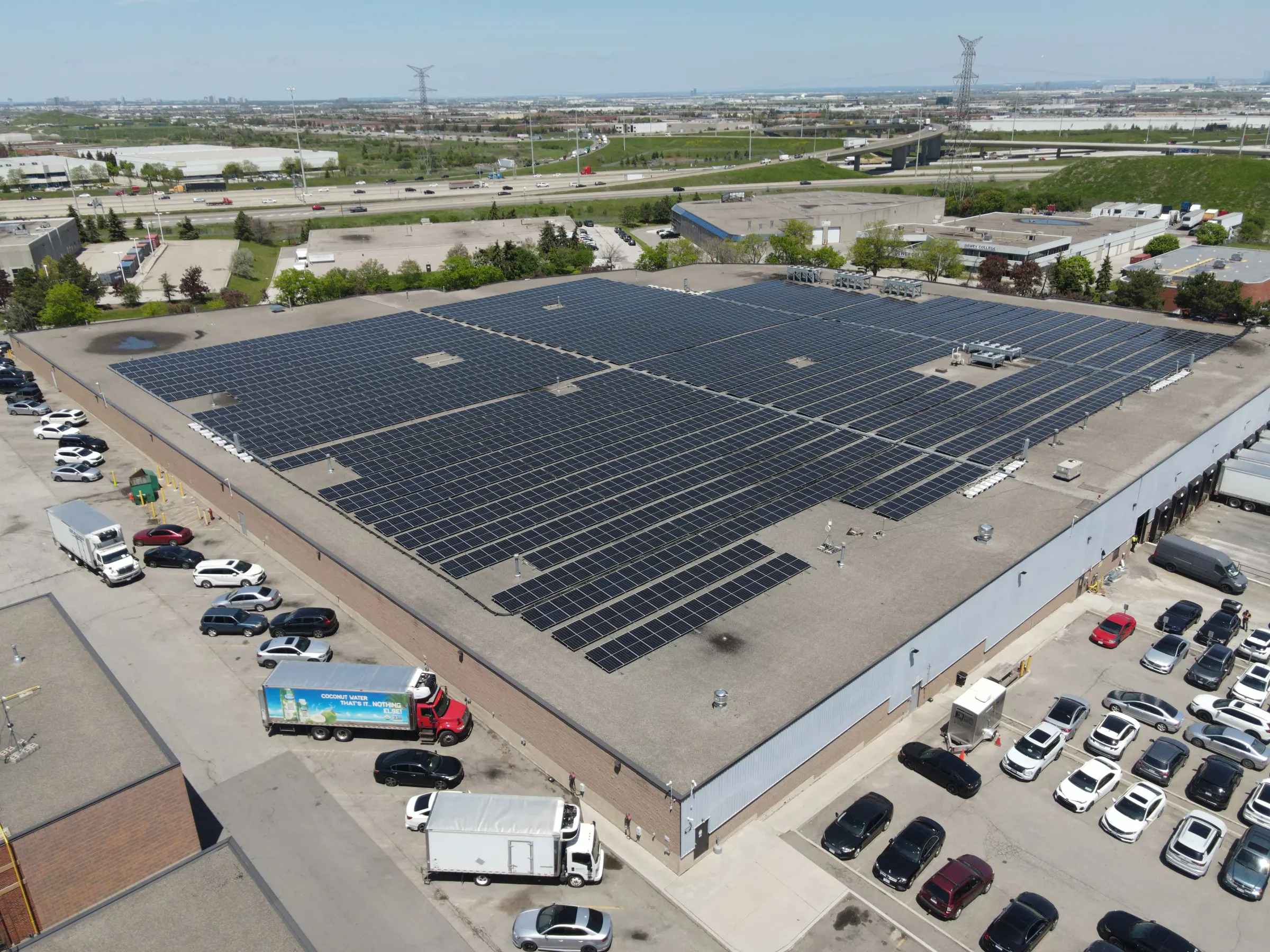
A food processing facility in Markham, Ontario. Rooftop solar designed around continuous production and a 24/7 operating load profile.
Every food & beverage facility operates differently. Refrigerated warehouses, processing plants, beverage lines, distributors, and retail operations all carry different load profiles, operating schedules, and infrastructure requirements — which changes how energy projects are planned.
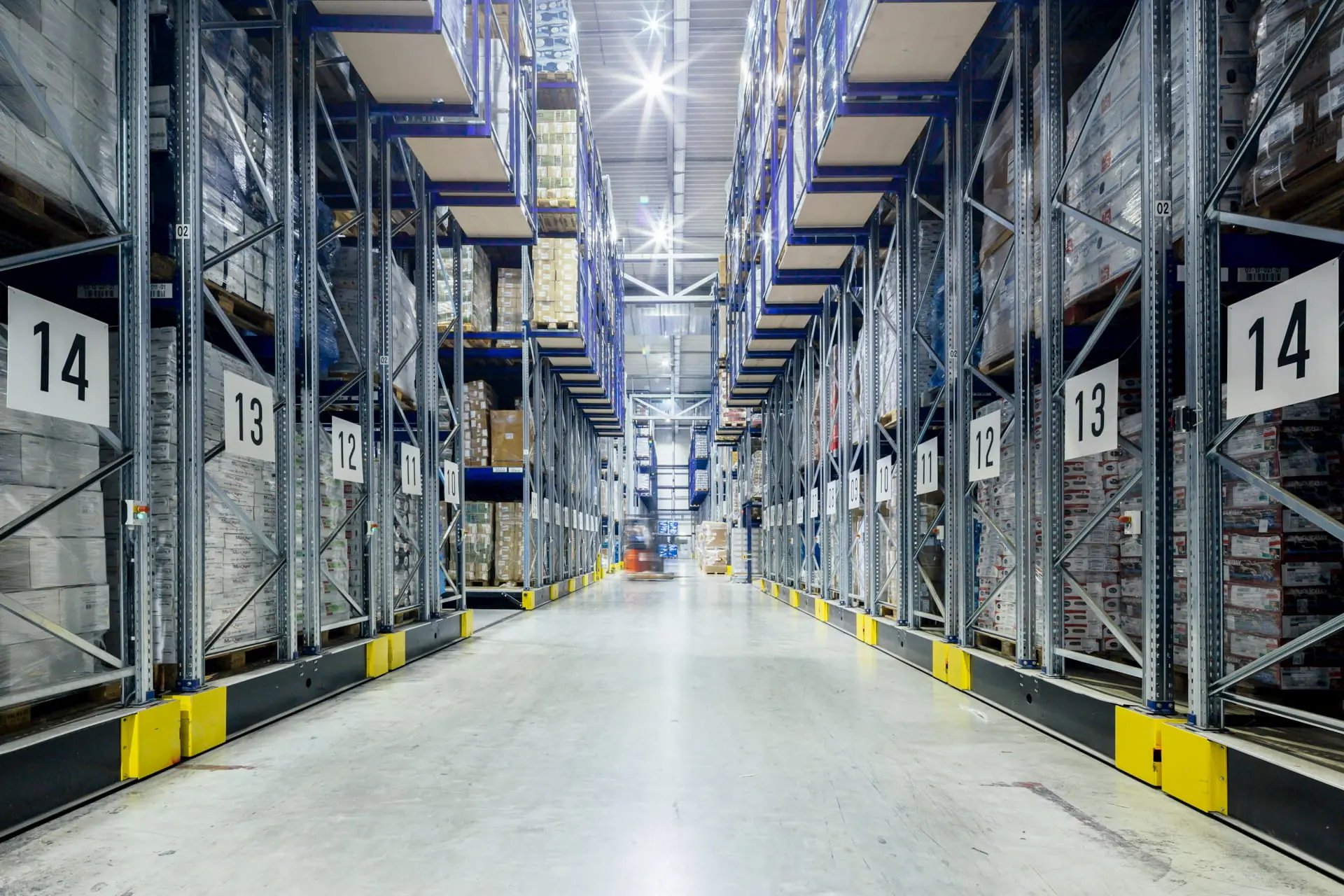 Continuous load · 24/7
Continuous refrigeration creates stable, high electrical demand profiles with significant exposure to demand charges. Solar and storage can offset daytime load and reduce peak demand events.
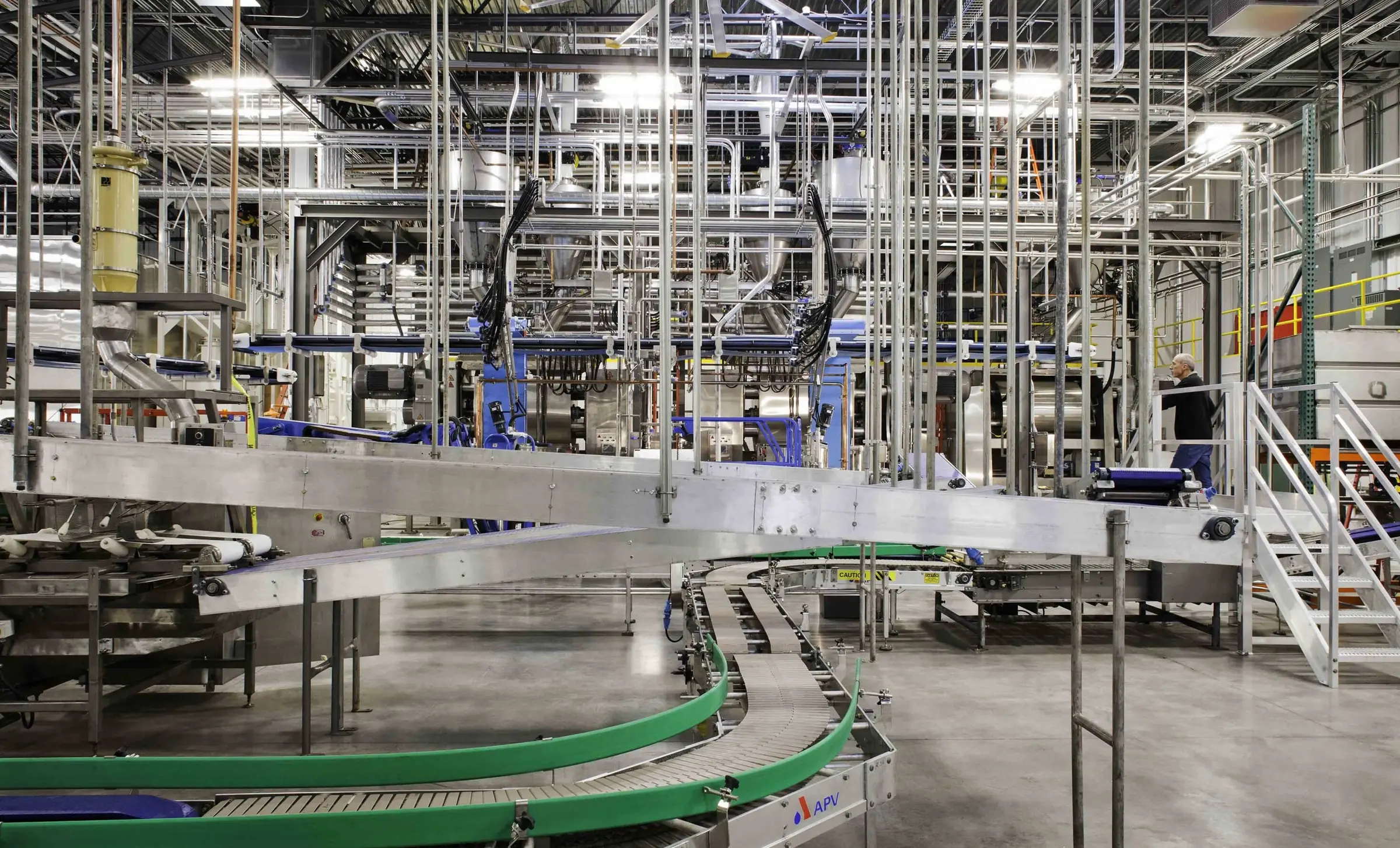 Sequenced uptime
Production schedules, sanitation windows, and process equipment require carefully sequenced upgrades. Lighting, electrical, and solar projects are planned around uptime requirements.
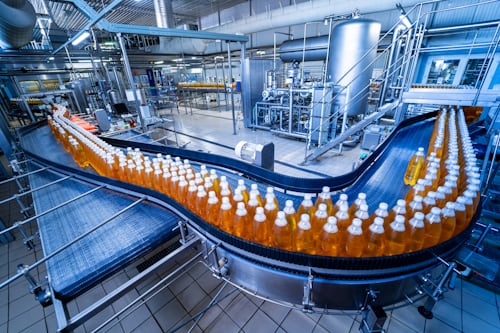 Rooftop ready
Large roof areas and daytime production loads make beverage facilities strong candidates for rooftop solar and electrical infrastructure improvements.
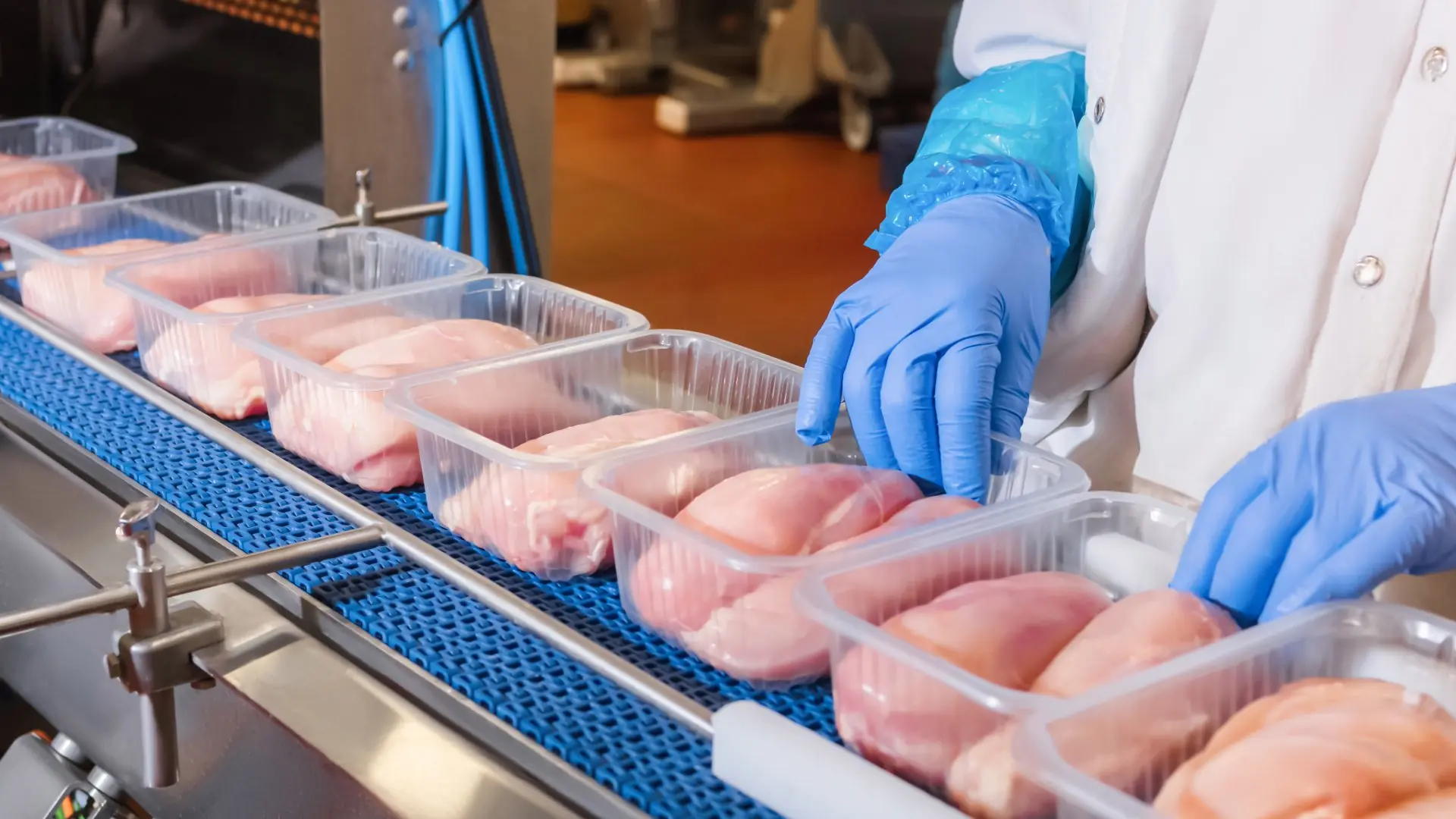 Cold-chain critical
Cold-chain reliability, ventilation systems, and continuous processing loads make operational continuity critical. Energy projects must align with food-safety and production requirements.
 High runtime hours
Warehousing and refrigerated logistics operations typically operate with long runtime hours and large lighting loads, creating strong ROI opportunities for LED retrofits and solar generation.
 Portfolio scale
Multi-site operators benefit from standardized lighting upgrades, portfolio-wide energy assessments, and scalable rooftop solar planning.
Not sure which sub-sector best describes your operation? That's usually the right place to start a conversation. A 20-minute call is enough to map your load profile against the right scope of work.
Most food manufacturing facilities already have enough operational and utility data to identify meaningful energy-saving opportunities. The first step is understanding how the facility consumes power and where the strongest financial opportunities exist.
We review your facility type, operating schedule, refrigeration profile, production constraints, and current energy concerns.
Interval and utility billing data help identify:
We provide high-level insight into where solar, storage, lighting, electrical upgrades, or energy audits may create operational and financial value.
Food and beverage energy questions specific to the sector's operating profile.
Yes — 24/7 operation is one of the strongest arguments for solar in food manufacturing, not a constraint against it. A facility that consumes electricity continuously has more hours of daytime consumption to offset with solar generation than a facility that only runs during business hours. Battery storage extends the value of solar into overnight hours by capturing excess daytime generation and deploying it during the overnight refrigeration and production load window.
LED fixtures for food manufacturing are available in food-safe configurations rated for wash-down environments, temperature extremes, and consistent illumination levels required for production quality. Completed food manufacturing LED retrofits in the GI portfolio have delivered 60–66% energy reduction on the lighting system. The saveONenergy Retrofit Incentive Program covers a significant portion of project cost on qualifying food facility installations.
Refrigeration is typically the largest and least flexible load in a food facility. It runs continuously regardless of solar output. The solar system offsets the refrigeration load during daytime hours. Battery storage can capture excess daytime generation and discharge it to the refrigeration system overnight, improving total offset. The demand charge component of refrigeration costs can be addressed through load scheduling or storage dispatch.
Rooftop solar installations do not affect food production processes, HACCP systems, or food safety environments directly — the system is on the roof, connected to the building's electrical supply. Work during installation is coordinated around production schedules to avoid disruption to food handling areas. Electrical tie-in is completed in planned maintenance windows. Pre-installation structural and roof assessments confirm the system does not compromise building integrity or drainage.
Food manufacturing facilities qualify for the same programs as other C&I sectors: the federal Clean Technology Investment Tax Credit (up to 30%), the Enhanced First Year Capital Cost Allowance (100% CCA), and Ontario's saveONenergy Retrofit Incentive Program. Food manufacturing facilities frequently achieve among the highest saveONenergy incentive returns per project due to the size of legacy lighting systems and the scale of reductions achievable.
Straight answers from our engineering team — explore the most-asked questions on this topic.