
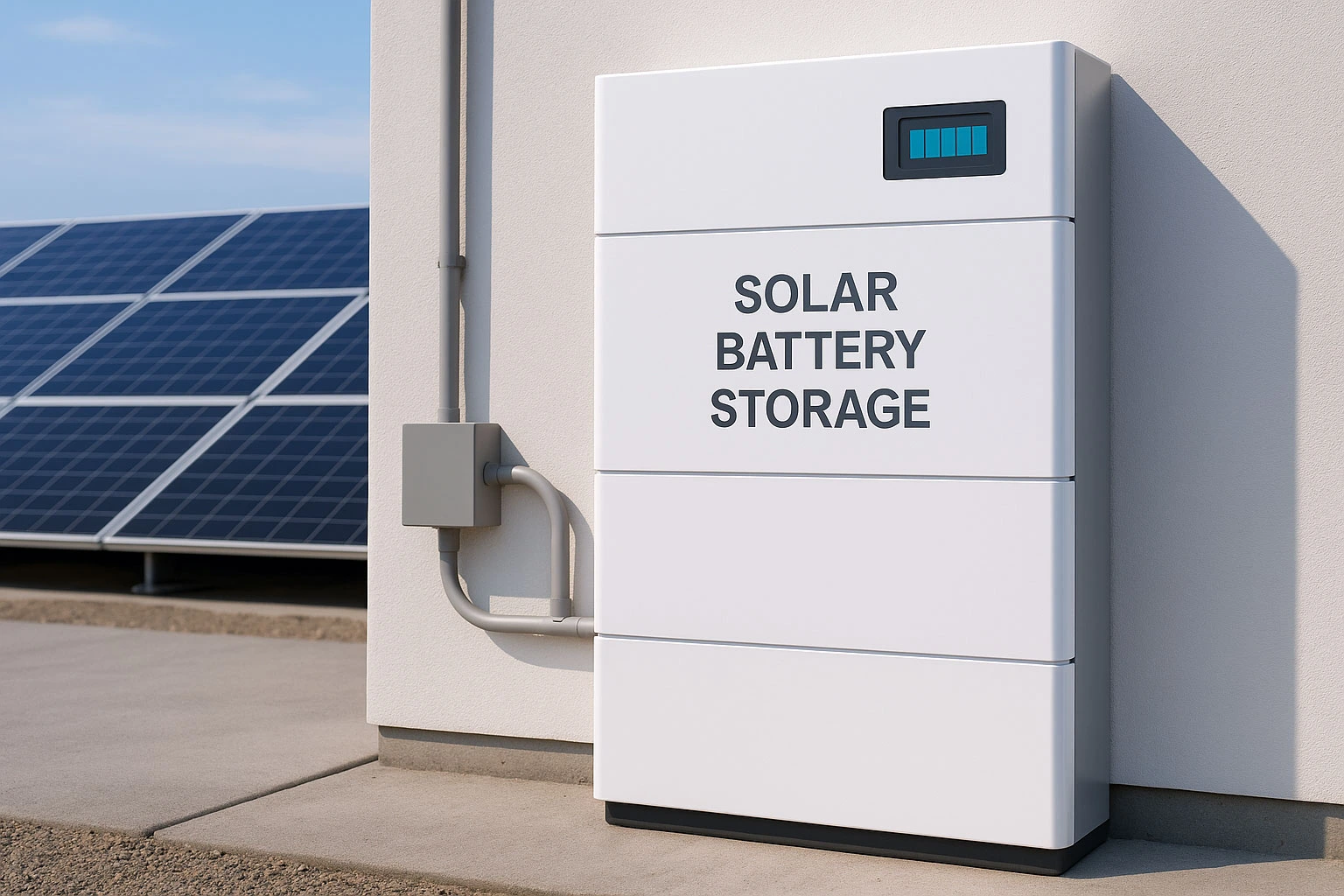
Four ways commercial battery storage improves operational control.
Commercial battery storage helps facilities reduce peak demand charges, improve operational resilience, and gain greater control over how and when electricity is used. From backup power to demand management and grid participation, battery storage is becoming a core part of modern energy strategy.
Reduce peak electricity costs.
Battery systems discharge during high-demand periods to reduce utility demand charges and improve long-term electricity cost control.
Keep critical operations running.
Battery storage helps keep critical systems, refrigeration, production equipment, and facility operations running during outages and grid interruptions.
Turn flexibility into ongoing revenue.
Commercial battery systems can participate in utility and grid-service programs, generating additional value through demand response and energy market participation.
Prepare for the next energy era.
Battery storage supports electrification, utility rate changes, solar integration, and evolving energy infrastructure requirements across commercial facilities.
Green Integrations designs and integrates commercial battery storage systems engineered for operational resilience, peak demand management, and long-term facility performance — including feasibility analysis, utility coordination, controls integration, and complete project execution under one accountable partner.

Short pay-back.
Long-term resilience.
Commercial battery storage reduces operating costs, improves energy flexibility, and generates attractive long-term returns under current Canadian utility and incentive structures.
Payback driven by peak-demand reduction, grid-service revenue, and stacked Canadian incentives.
Battery systems are built for daily cycling and long-term use, with warranty-backed performance across the project lifecycle.
Battery storage designed around how your facility uses power.
Commercial battery storage is designed around when and how your facility uses electricity. Utility interval data helps identify peak demand periods, operational patterns, and where storage can create the strongest financial return.
Assess
A detailed review of utility bills and interval consumption data determines whether battery storage is a strong fit for the facility’s electricity rate structure, operating profile, and peak-demand behaviour.
Design
A battery storage system is designed around the building electrical infrastructure, facility load profile, utility rate schedule, and site conditions. A detailed financial analysis outlines projected savings, market revenues, incentives, and investment performance.
Install
Licensed electricians complete the battery storage installation, while utility coordination, commissioning, and system integration are managed through a single project delivery process. Where battery storage is paired with solar, both systems are commissioned together for optimized performance.
Operate
Battery storage performance is monitored against the facility’s demand profile, electricity rate structure, and market participation strategy. System settings are optimized over time as operational and utility conditions evolve.
High demand operations. Strong storage economics.
Battery storage delivers the strongest returns in facilities with high demand charges, peaky load profiles, critical operational equipment, or utility rate structures that reward flexibility. The assessment starts with understanding how and when the facility uses power.
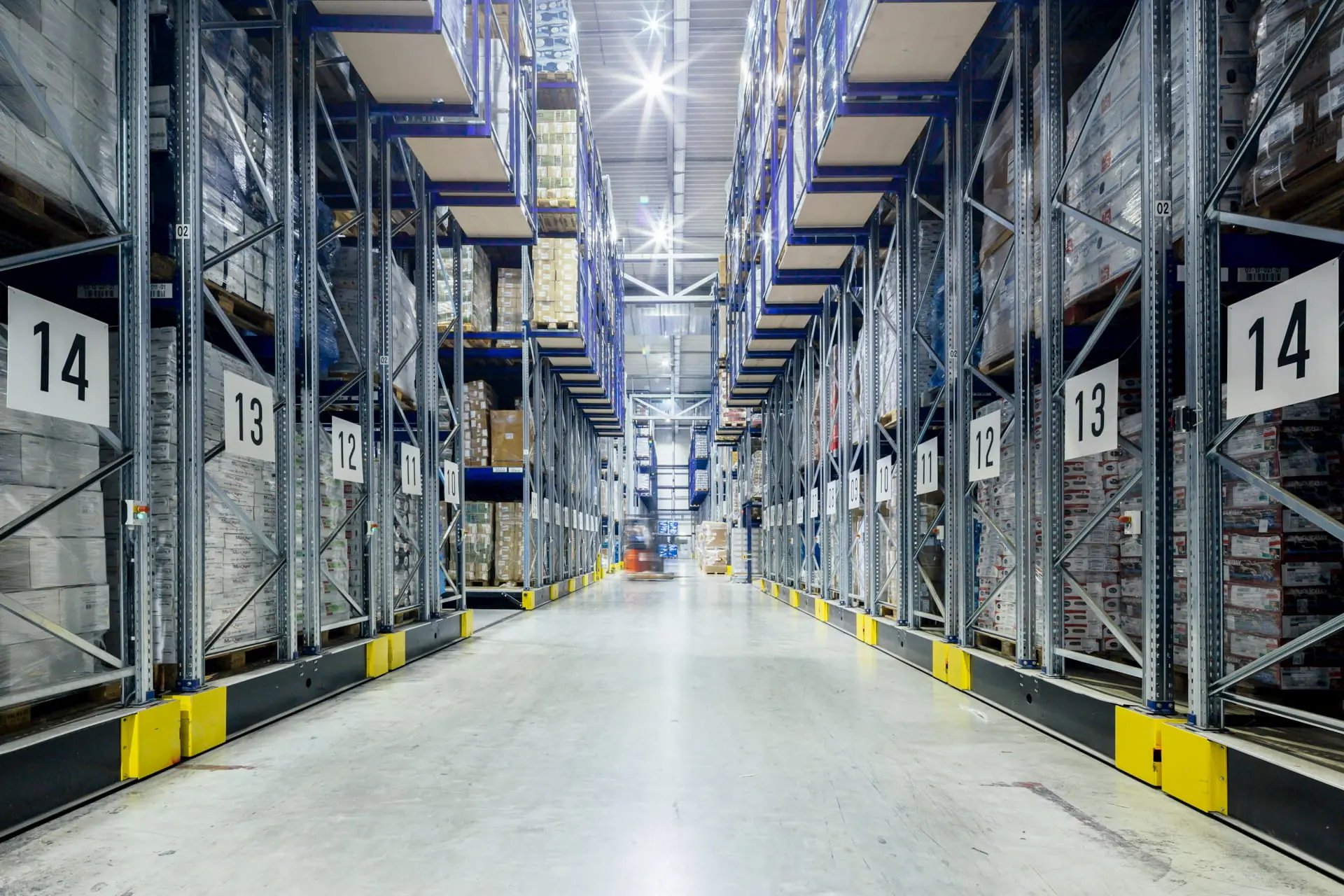
Cold Storage & Logistics
Refrigeration-heavy facilities with stable high electrical demand are strong candidates for demand-charge reduction and Ontario Class A / ICI participation.
Cold storage · Refrigerated logistics · Distribution centres
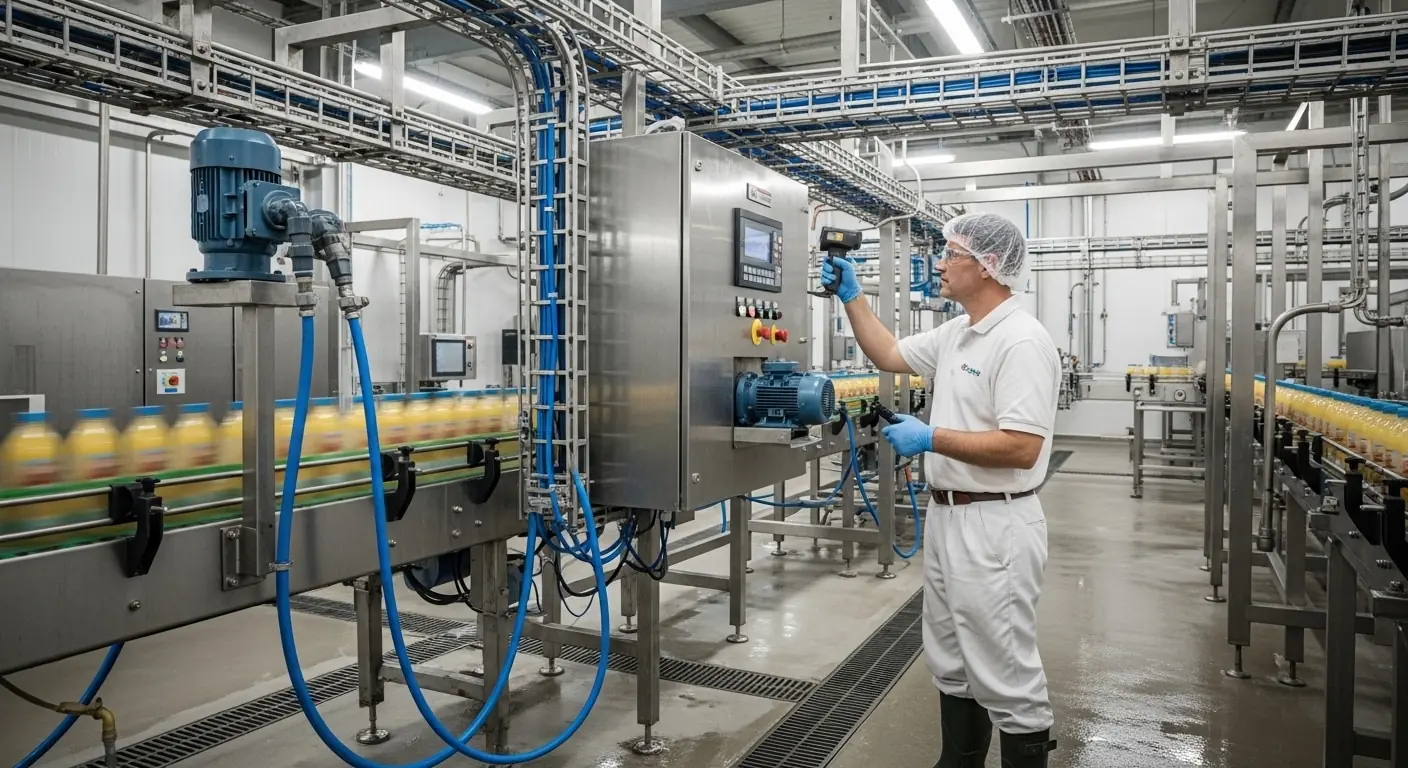
Food & Beverage
Continuous production schedules, refrigeration systems, and process-critical operations create strong opportunities for peak reduction without disrupting throughput.
Food processing · Beverage manufacturing · Cold-chain operations
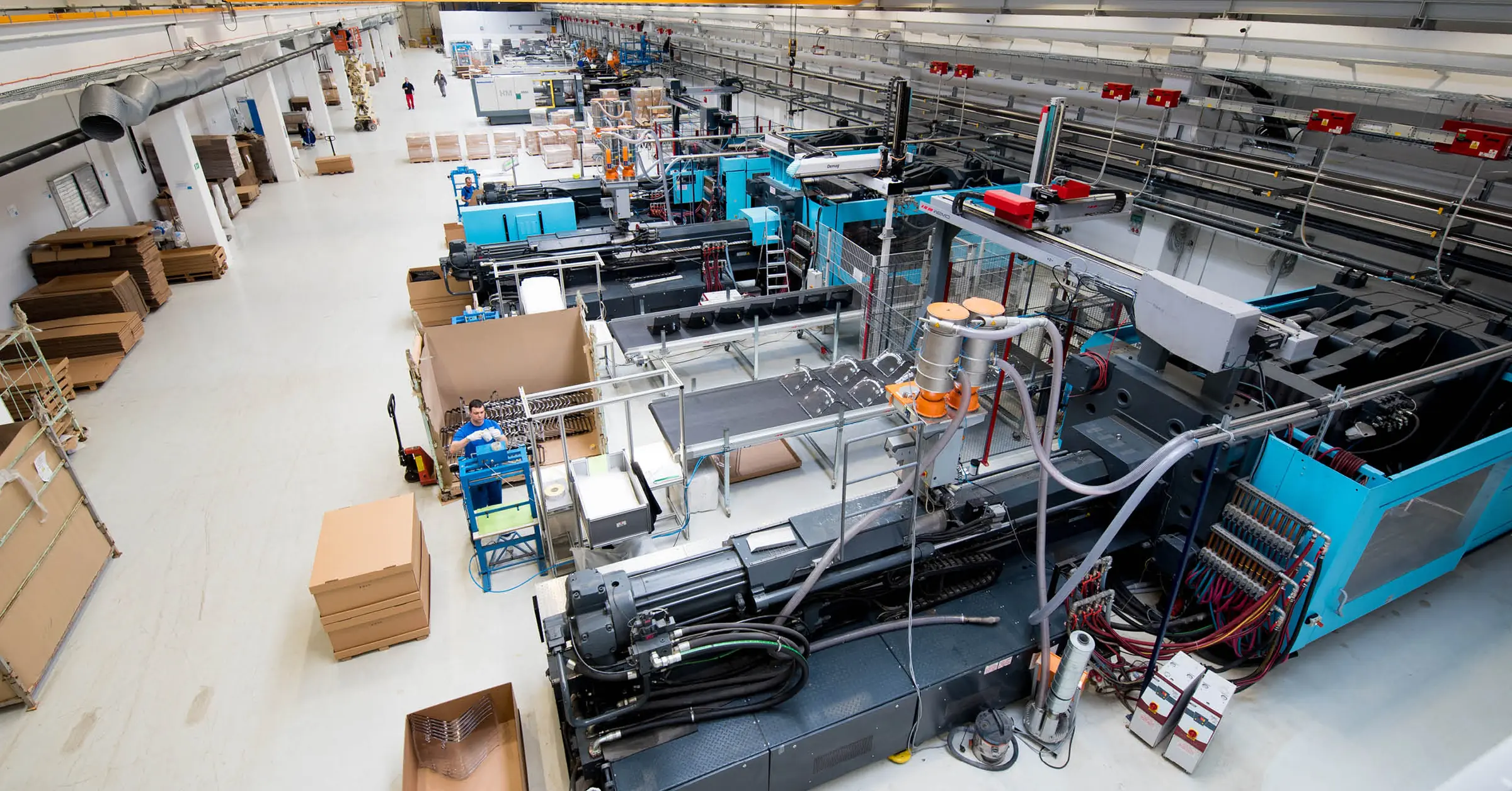
Plastics Manufacturing
Injection molding and continuous process equipment create sharp electrical peaks. Battery backup and power conditioning help reduce downtime, scrap risk, and production interruptions from voltage events.
Injection molding · Extrusion · Process manufacturing
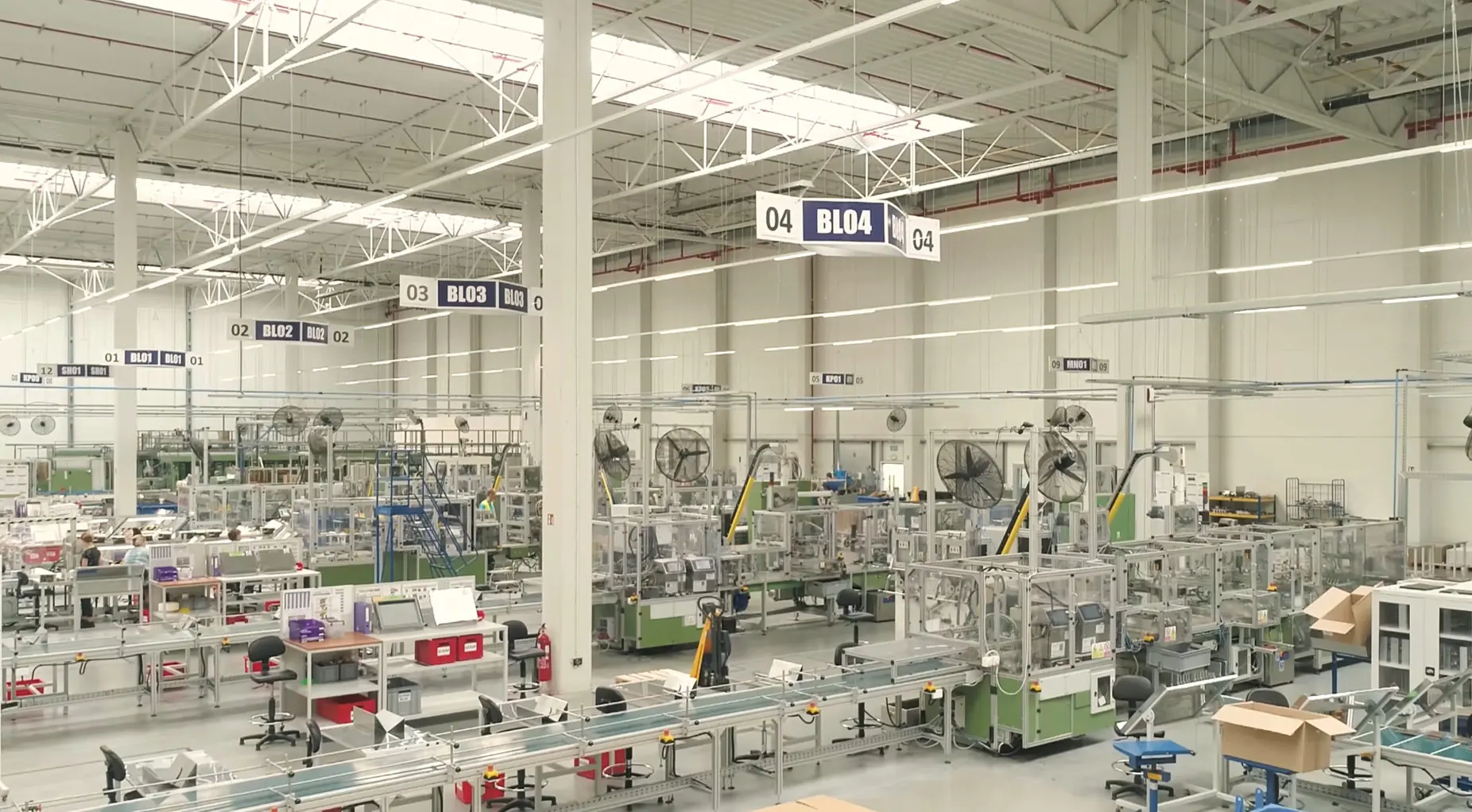
Packaging Facilities
Packaging lines, compressed air systems, and motor-heavy equipment often produce concentrated demand spikes that battery storage can strategically reduce.
Packaging lines · Converting · Industrial automation
Not sure where your facility fits? That's usually the right place to start a conversation. A 20-minute call is enough to map your demand profile against the right scope of work.
Delivered on schedule with minimal operational disruption.
The team worked safely, efficiently, and around our operations. Execution was clean, organised, and aligned with the project timeline.
Services that strengthen the storage case.
Each solution integrates into the same long-term energy strategy, helping facilities evaluate demand reduction, on-site generation, and future electrification opportunities together.
Frequently asked questions.
Battery storage questions specific to C&I demand management and IESO programs in Ontario.
Commercial battery storage reduces electricity costs by optimizing when and how a facility uses power—based on its utility rate structure. In most commercial and industrial rate schedules, a significant portion of the bill is tied to peak demand—the highest level of electricity usage during a billing period. In Ontario, for example, this is typically measured over a 15-minute interval and can represent 30–50% of a facility’s total electricity costs. Battery storage systems reduce these charges by discharging during peak demand periods, lowering the facility’s measured demand and resulting monthly charges. In addition, storage can reduce costs through: Global Adjustment (Ontario): By strategically dispatching during peak grid hours, eligible facilities can lower their contribution to Global Adjustment charges under programs like the Industrial Conservation Initiative (ICI). Energy arbitrage: Charging the battery during low-cost periods and discharging during high-cost periods to capture the difference in electricity pricing. Because these strategies are applied continuously, the savings are recurring and compound over the life of the system.
IESO demand response programs pay commercial and industrial (C&I) facilities to reduce electricity consumption during periods of peak grid demand—and battery storage enables this without disrupting operations. In Ontario, the Independent Electricity System Operator (IESO) runs demand response and capacity programs that compensate facilities for being available to reduce load when the grid is under stress. Traditionally, this meant shutting down equipment or curtailing operations. With battery storage, facilities can participate by discharging stored energy during these events, reducing grid consumption while maintaining normal operations. Storage systems can generate value through: Demand response events: Dispatching during peak grid conditions to earn event-based payments Capacity programs: Receiving ongoing payments for being available to respond when called upon Aggregator participation: Most facilities enroll through a registered aggregator who manages dispatch and market participation Because these programs are recurring and contract-based, they provide a predictable, ongoing revenue stream that is modelled alongside demand savings in the project economics.
It depends on the economics, site constraints, province, and your organization’s goals. In many provinces, commercial solar is currently the more attractive first investment because it can deliver strong long-term savings, reduce emissions, and take advantage of available tax incentives. But battery storage can be the better first step when demand charges are high, grid programs are available, backup power is a priority, or the site has limited suitable roof space for solar. The right sequence should be based on a combined assessment of: Solar payback on its own Battery storage payback on its own Demand charge exposure Provincial rate structure and incentive programs Available roof space and electrical capacity GHG reduction goals Backup and resiliency requirements Future electrification plans For most facilities, the best approach is not choosing solar or storage in isolation. It is modelling both options separately and together to determine which investment should come first—and whether a combined system creates the strongest long-term value.
Battery storage incentives in Canada include both federal tax incentives and province-specific utility programs. Federal — Clean Technology Investment Tax Credit (ITC): A refundable tax credit of up to 30% of eligible battery storage capital costs. Federal — Enhanced First-Year Capital Cost Allowance (CCA): Allows 100% accelerated depreciation on eligible clean energy investments in the first year. Provincial / Utility Programs (where available): In some regions, additional funding is available through local utilities. For example, BC Hydro offers battery storage incentives of up to 80% of project costs for eligible commercial and industrial facilities. Both federal incentives apply to battery storage independently of solar, and for combined solar + storage projects, both systems can qualify.
Commercial battery storage systems commonly operate for approximately 12–15 years, although actual usable life depends on battery chemistry, operating conditions, cycling frequency, depth of discharge and manufacturer warranty terms. A battery may therefore require replacement during the operating life of a commercial solar system.
Storage size is determined by the facility’s demand profile — specifically the size and duration of the demand peaks driving the highest monthly charges. A facility where demand spikes are brief may need only a small system. A facility with sustained high-demand windows requires more capacity. The demand analysis in the assessment phase establishes the right size before any equipment is specified.
Commercial Battery Storage Questions
Straight answers from our engineering team — explore the most-asked questions on this topic.
- How does commercial battery storage reduce electricity costs?
- How does battery storage reduce demand charges?
- Should we install battery storage before or after solar?
- What battery storage incentives are available in Canada?
- How long do commercial battery storage systems last?
- What size battery storage system does a commercial facility need?