#1Reality
Buildings operate with constant energy demand.
Commercial properties rely on continuous electricity for HVAC systems, lighting, elevators, parking infrastructure, tenant operations, and building automation systems.
Commercial properties rely on continuous electricity for HVAC systems, lighting, elevators, parking infrastructure, tenant operations, and building automation systems.
Rising electricity rates, peak demand charges, and operational inefficiencies directly affect NOI, operating expenses, and long-term property value.
Energy performance, comfort, and sustainability expectations continue to grow across office, retail, mixed-use, and multi-tenant commercial properties.
Solar, storage, LED lighting, recommissioning, and electrical upgrades help reduce operating costs, improve building performance, and strengthen long-term portfolio resilience.
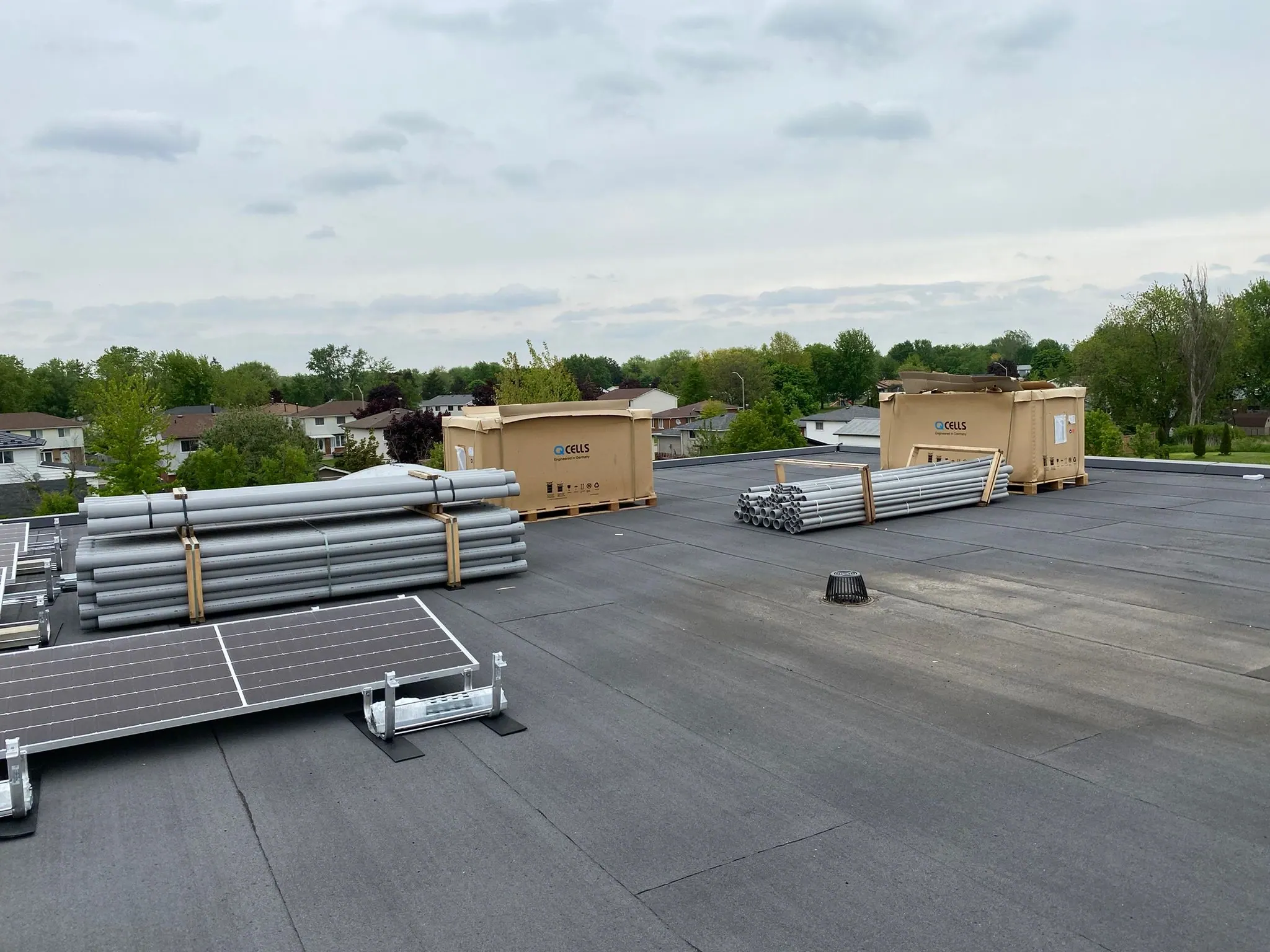
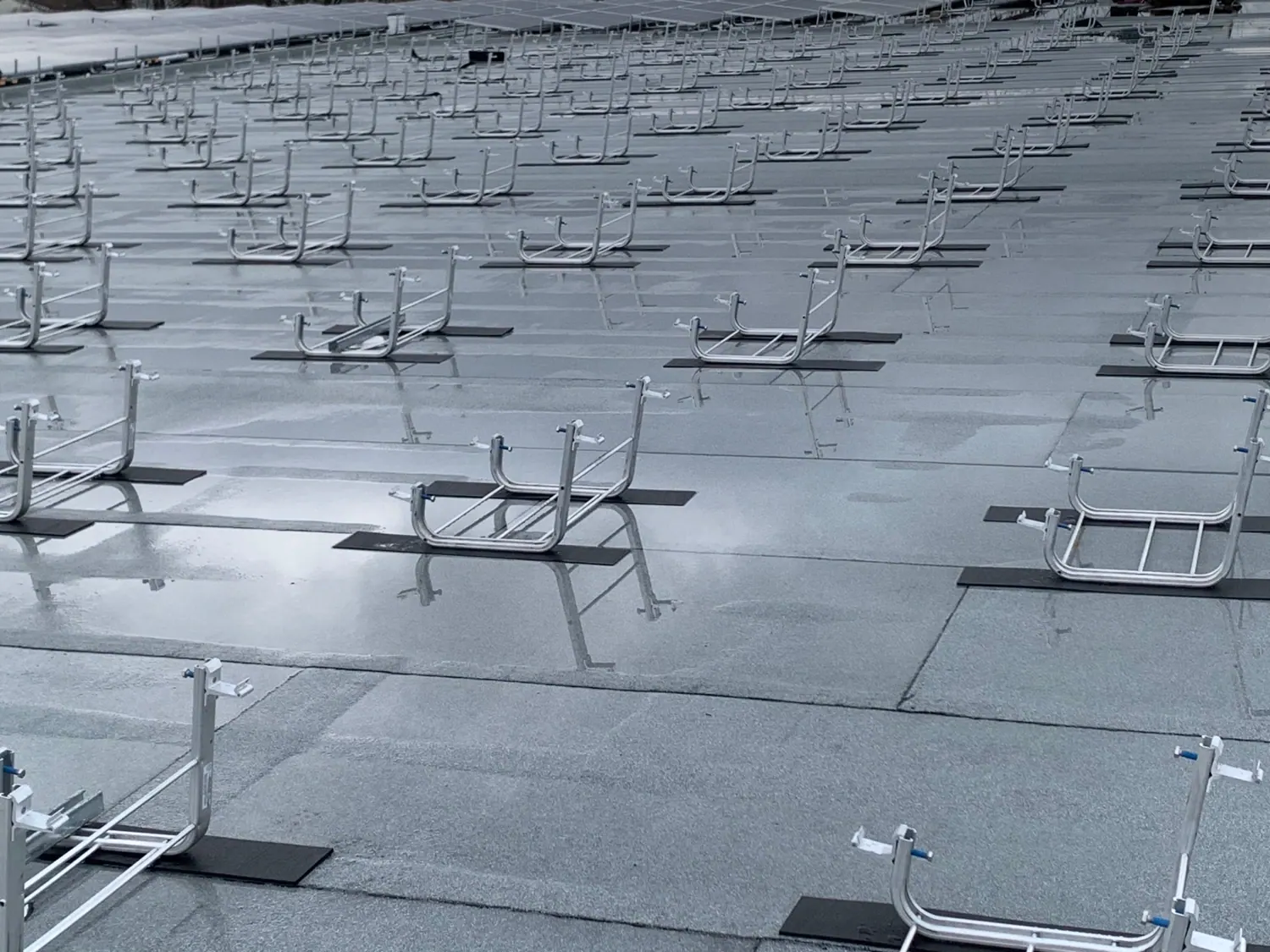
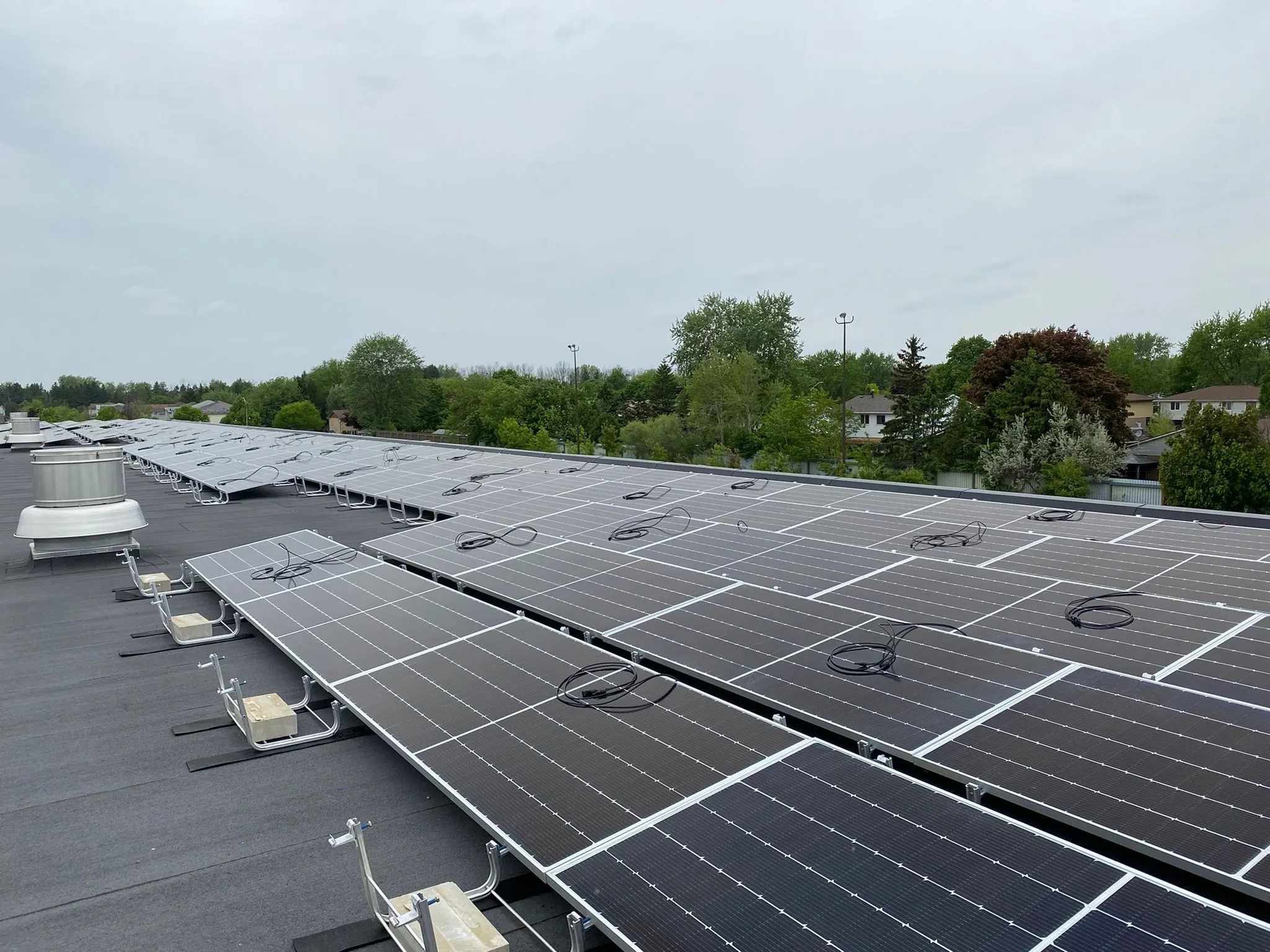
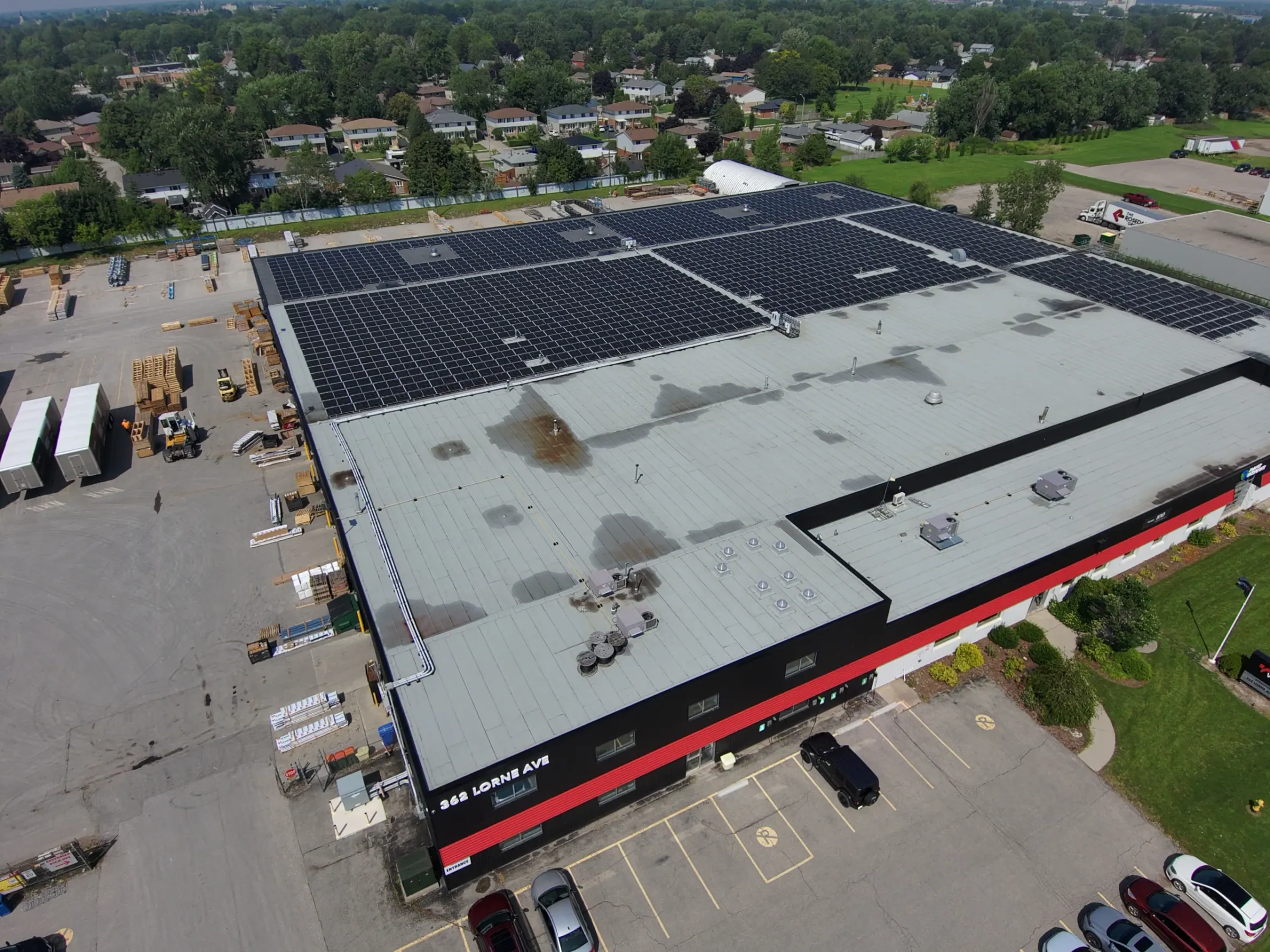
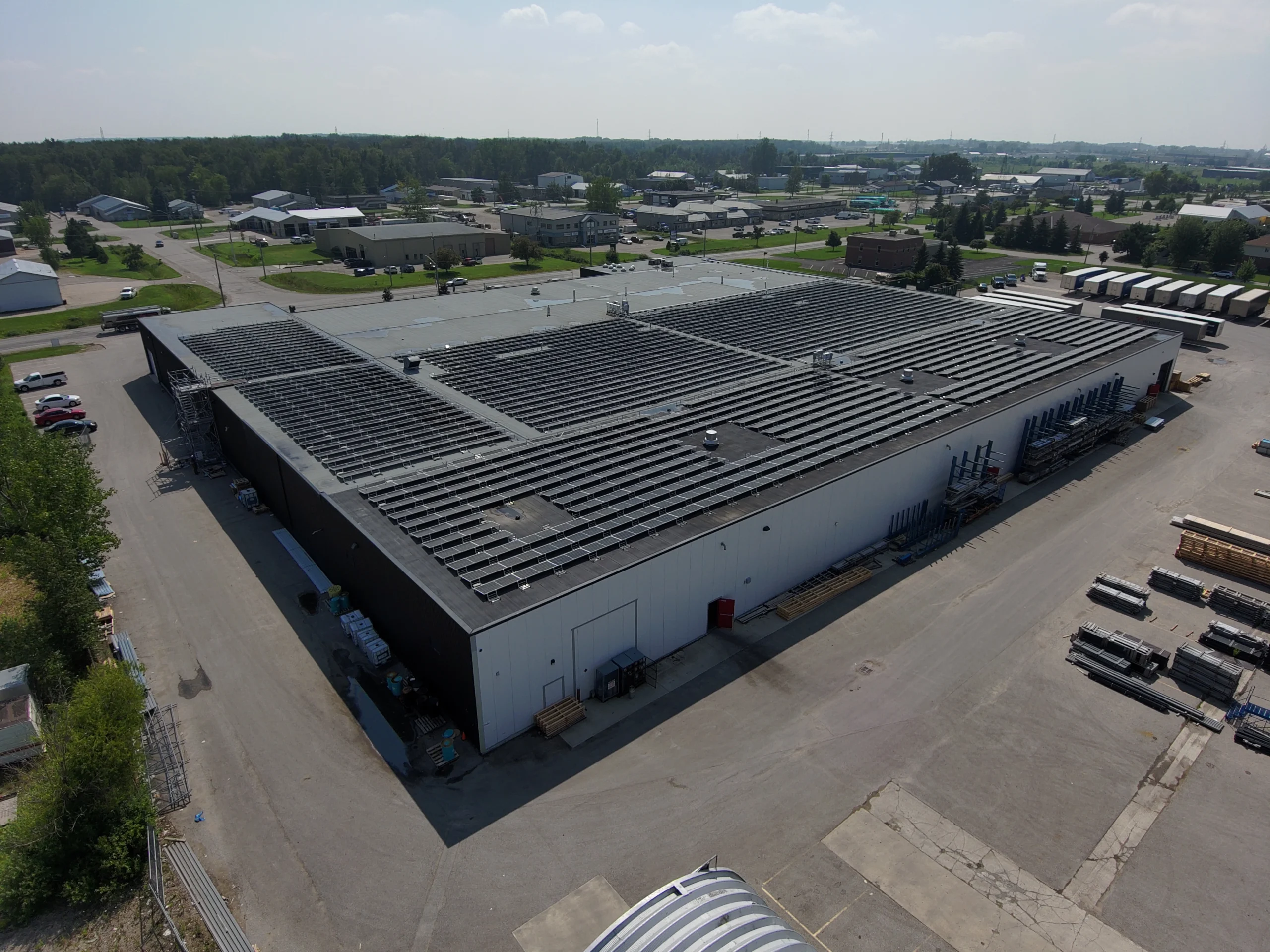
A commercial real estate asset in Stratford, Ontario. Roof-mounted high-efficiency modules across a flat membrane roofline — sized to the verified annual load profile across HVAC, lighting, and tenant operations.
Commercial real estate spans very different operating profiles — from single-tenant offices to multi-tenant plazas, mixed-use developments to retail centres, flex industrial to large REIT portfolios. Each calls for a different sequencing of measures.
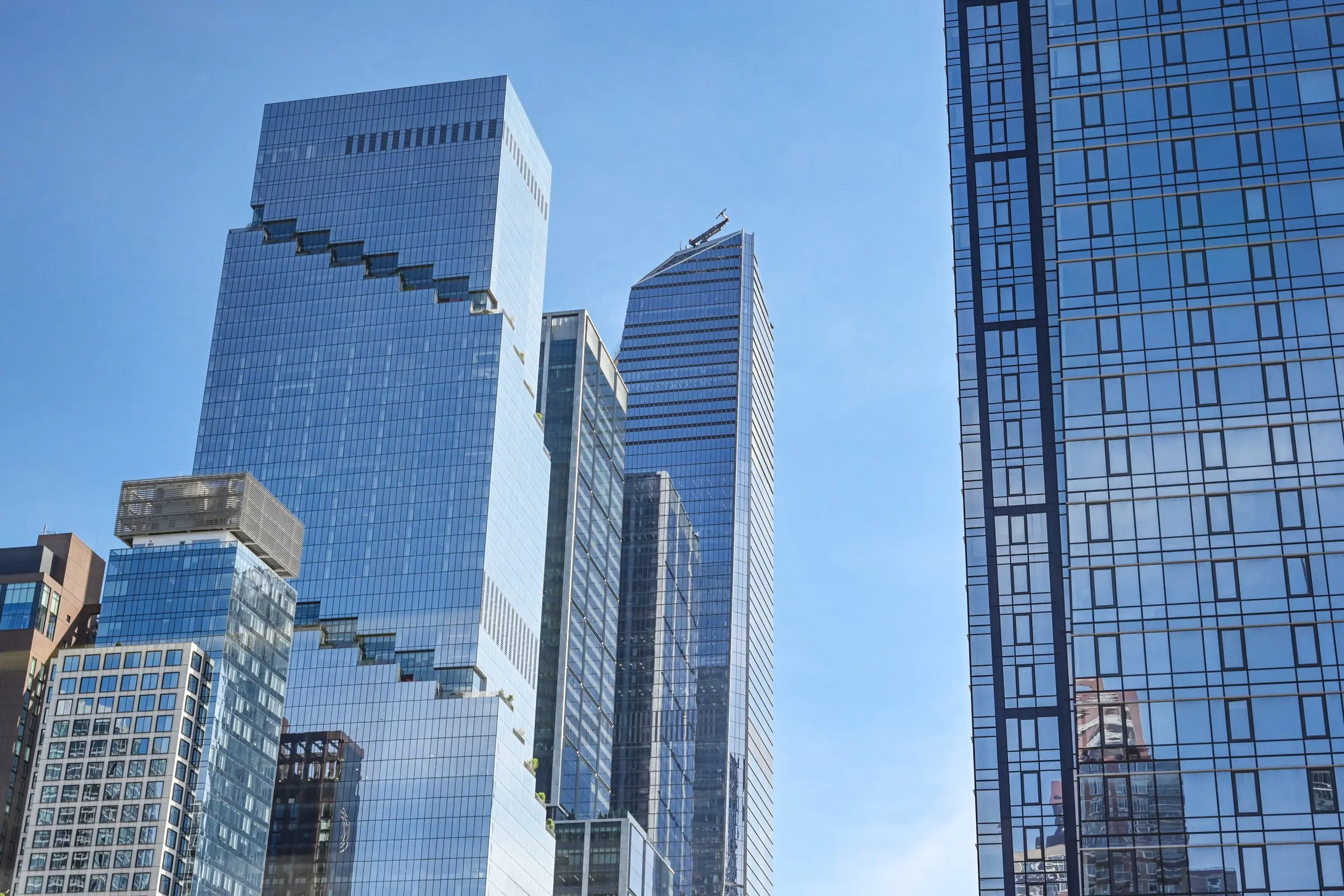
Office properties rely on HVAC systems, lighting, elevators, and tenant operations to maintain occupant comfort and productivity. Energy strategies often focus on reducing operating costs while improving building performance and tenant satisfaction.
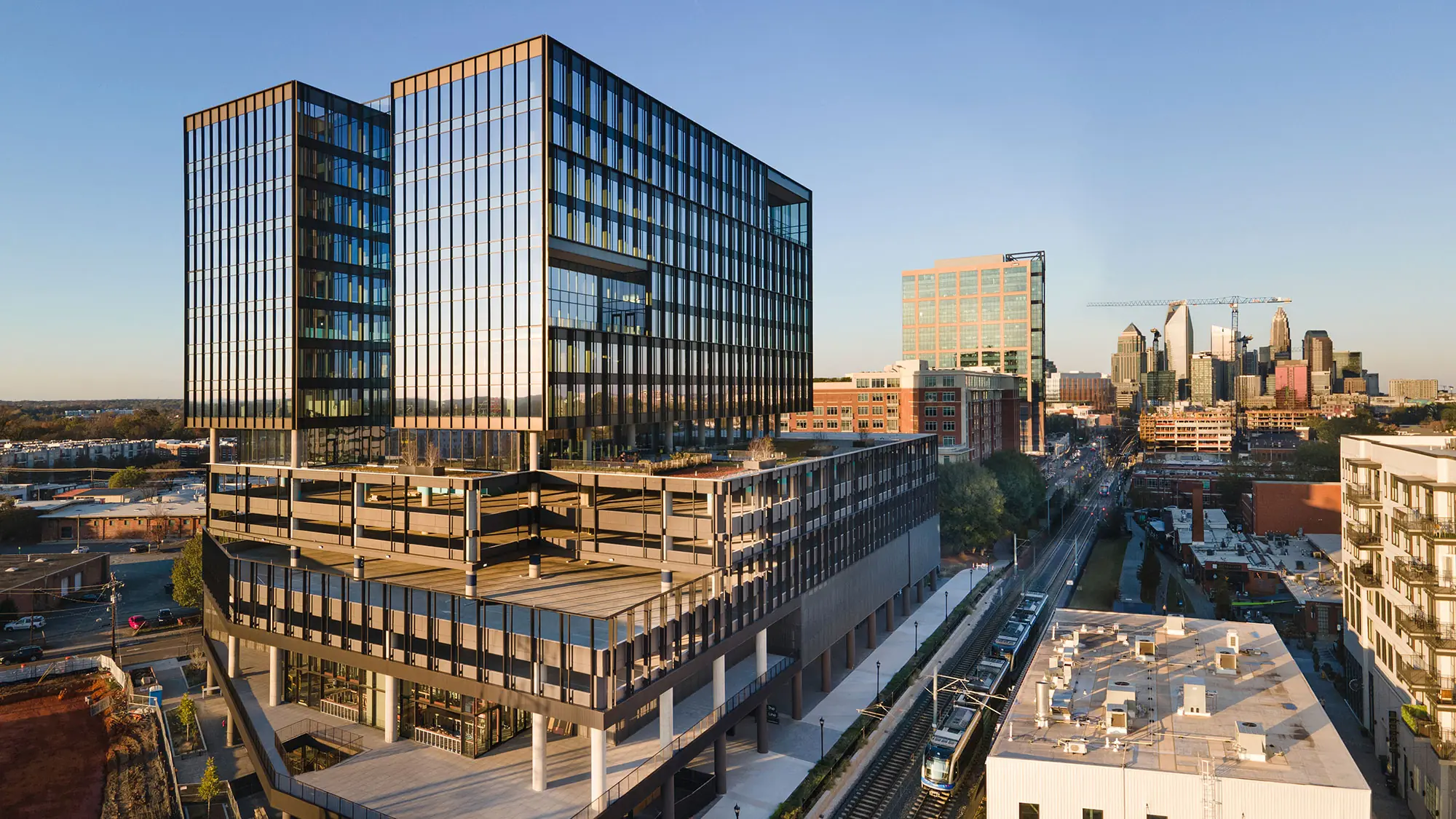
Mixed-use facilities combine retail, office, residential, and shared amenity spaces under one property. Managing varying occupancy schedules and energy demands requires integrated and flexible energy solutions.
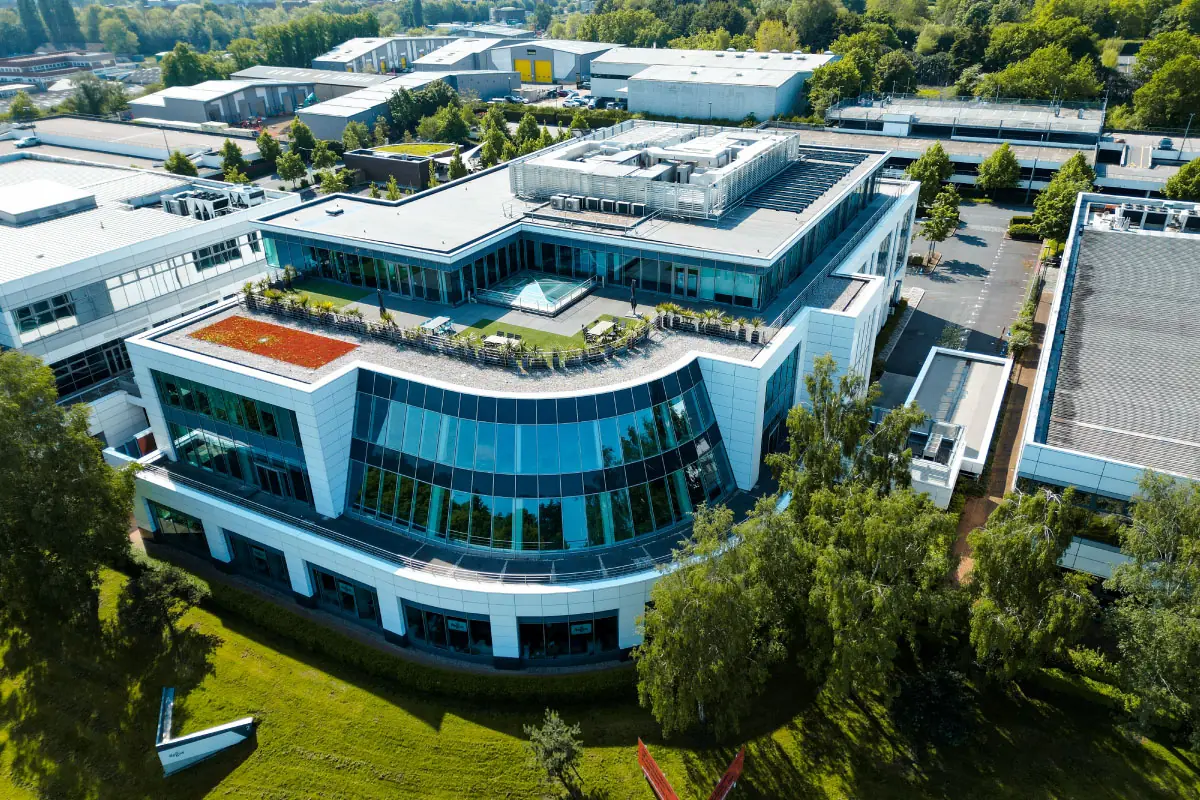
Commercial plazas and multi-tenant properties support diverse tenant operations with varying electricity and HVAC requirements. Energy optimization can improve property efficiency while reducing common area operating expenses.
Industrial real estate facilities, including flex spaces and light industrial buildings, require energy for lighting, warehousing, HVAC, and operational equipment. Property owners increasingly prioritize efficiency and long-term asset value.
Retail properties depend on lighting, climate control, signage, refrigeration, and extended operating hours to support tenant operations and customer experience. Energy upgrades can significantly reduce operational overhead.
Large property portfolios require scalable energy strategies across multiple sites and building types. Asset managers often prioritize operational consistency, sustainability targets, and long-term cost predictability across their facilities.
Not sure which property type best describes your asset? That’s usually the right place to start a conversation. A 20-minute call is enough to map your portfolio load profile against the right scope of work.
Most commercial real estate assets already have enough utility and operational data to identify meaningful energy-saving opportunities. The first step is understanding how the asset consumes power across tenant operations, common areas, and base building systems — and where the strongest financial opportunities exist.
We review your asset type, portfolio profile, BEPS exposure, lease structure, and current energy concerns. No commitment required.
Interval and utility billing data — covering at least one full cooling season — help identify:
We provide high-level insight into where solar, storage, LED lighting, recommissioning, or energy audits may create NOI and long-term value — alongside applicable incentive and ITC pathways.
Commercial real estate energy questions specific to Canadian asset operations.
Solar reduces the operating expense line that flows through to NOI. At a typical CRE cap rate of 6%, every $100,000 of annual operating cost saved adds roughly $1.67M to asset value. The math is mechanical: NOI ÷ cap rate = asset value, so a permanent reduction in electricity expense compounds into the long-term valuation. For a fully owner-operated building, the impact is direct; for net-leased assets, the structure depends on how electricity costs flow through to tenants.
BEPS — the Building Emissions Performance Standard — sets carbon-intensity limits for large commercial buildings on a defined compliance schedule. Failing to meet the standard attracts penalties, and increasingly affects financing access and institutional-investor disclosure requirements. On-site solar reduces a building's grid electricity consumption and the associated GHG emissions intensity — the input to BEPS calculations. The energy audit produces the documentation BEPS reporting requires.
The structure depends on the lease. Where the landlord pays for common-area electricity, solar offsets that load directly. Where tenants pay separately, options include sizing solar to common-area load only, on-bill arrangements, or virtual net metering structures where applicable. We model the economics against your specific lease structure during the discovery process — most owners are surprised at how favourable the math is even on net-lease structures.
On completed Green Integrations CRE projects, simple payback has typically ranged from 5–8 years before incentives, and 4–7 years after the federal Clean Technology ITC and accelerated CCA depreciation are applied. The project IRR is what matters more than payback — and against a 30-year asset financial model, well-structured CRE energy projects typically deliver IRRs that exceed most other capital improvements on the asset.
The full federal and provincial stack applies. Headline programs include the federal Clean Technology Investment Tax Credit (up to 30%), Enhanced First-Year CCA (100% accelerated depreciation), provincial saveONenergy / Save on Energy LED retrofit incentives, and IESO Demand Response programs for assets with battery storage or flexible loads. We screen eligibility during the assessment and manage applications end-to-end alongside the project.
Straight answers from our engineering team — explore the most-asked questions on this topic.