#1Reality
Large facilities operate around the clock.
Warehouses and logistics facilities rely on continuous electricity for lighting, conveyors, refrigeration, automation systems, EV fleets, and distribution operations.
Warehouses and logistics facilities rely on continuous electricity for lighting, conveyors, refrigeration, automation systems, EV fleets, and distribution operations.
As facilities expand and operations become more automated, rising utility rates and demand charges create increasing pressure on operating costs.
Energy-intensive distribution environments depend on predictable operating costs to maintain efficiency, throughput, and competitive margins.
Solar, storage, LED lighting, and electrical upgrades help reduce operating costs, improve energy predictability, and support modern logistics operations.
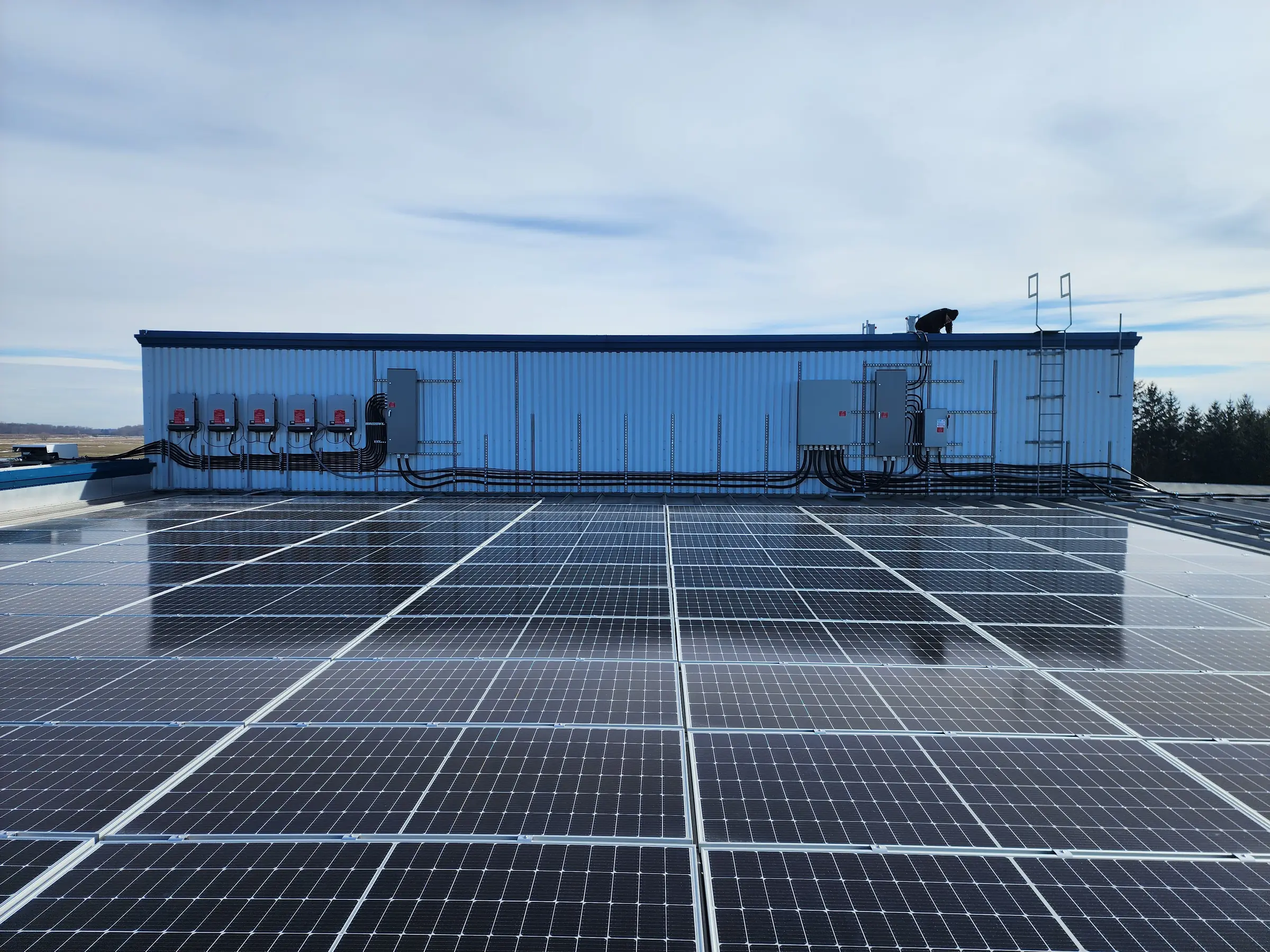
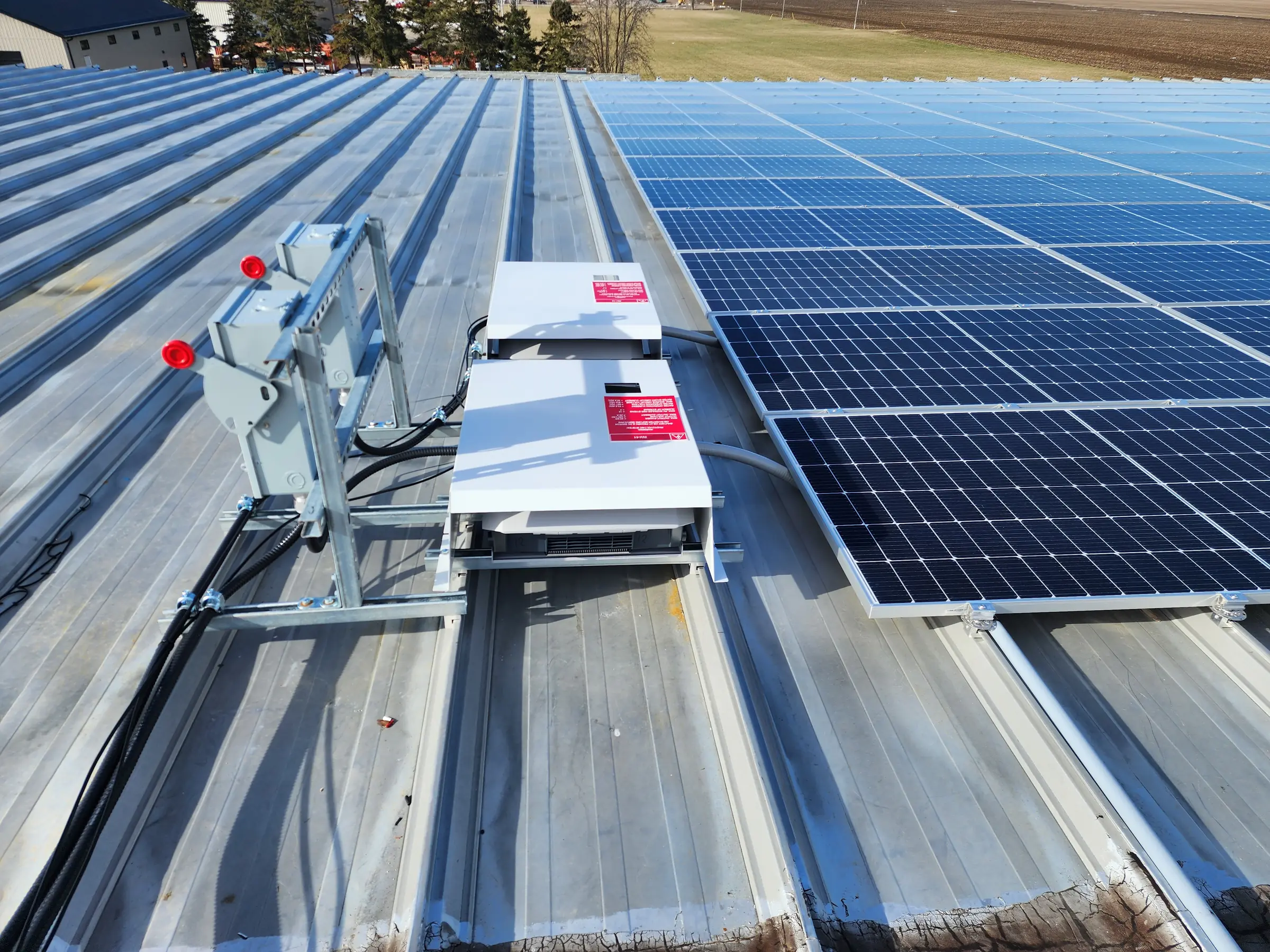
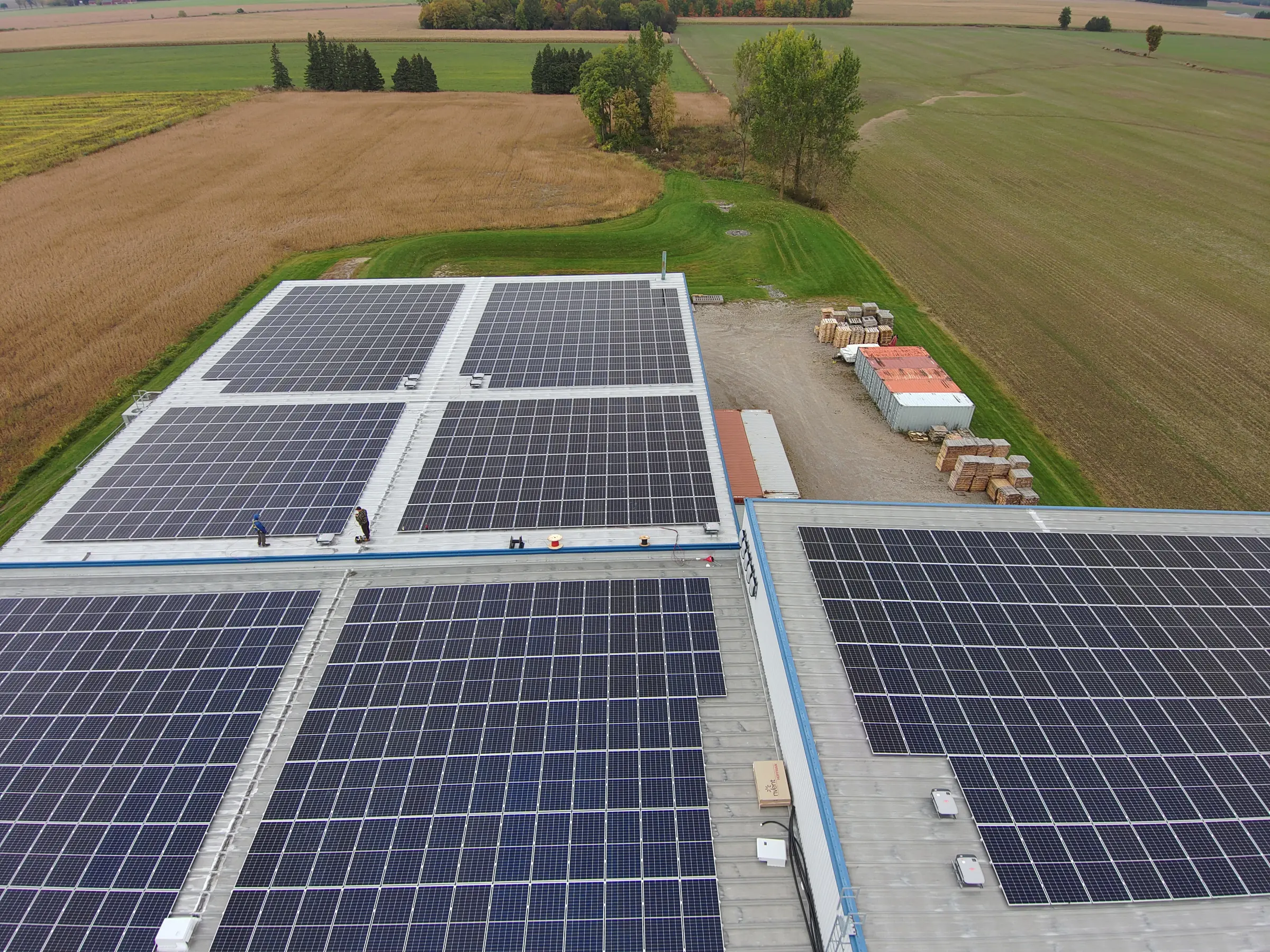
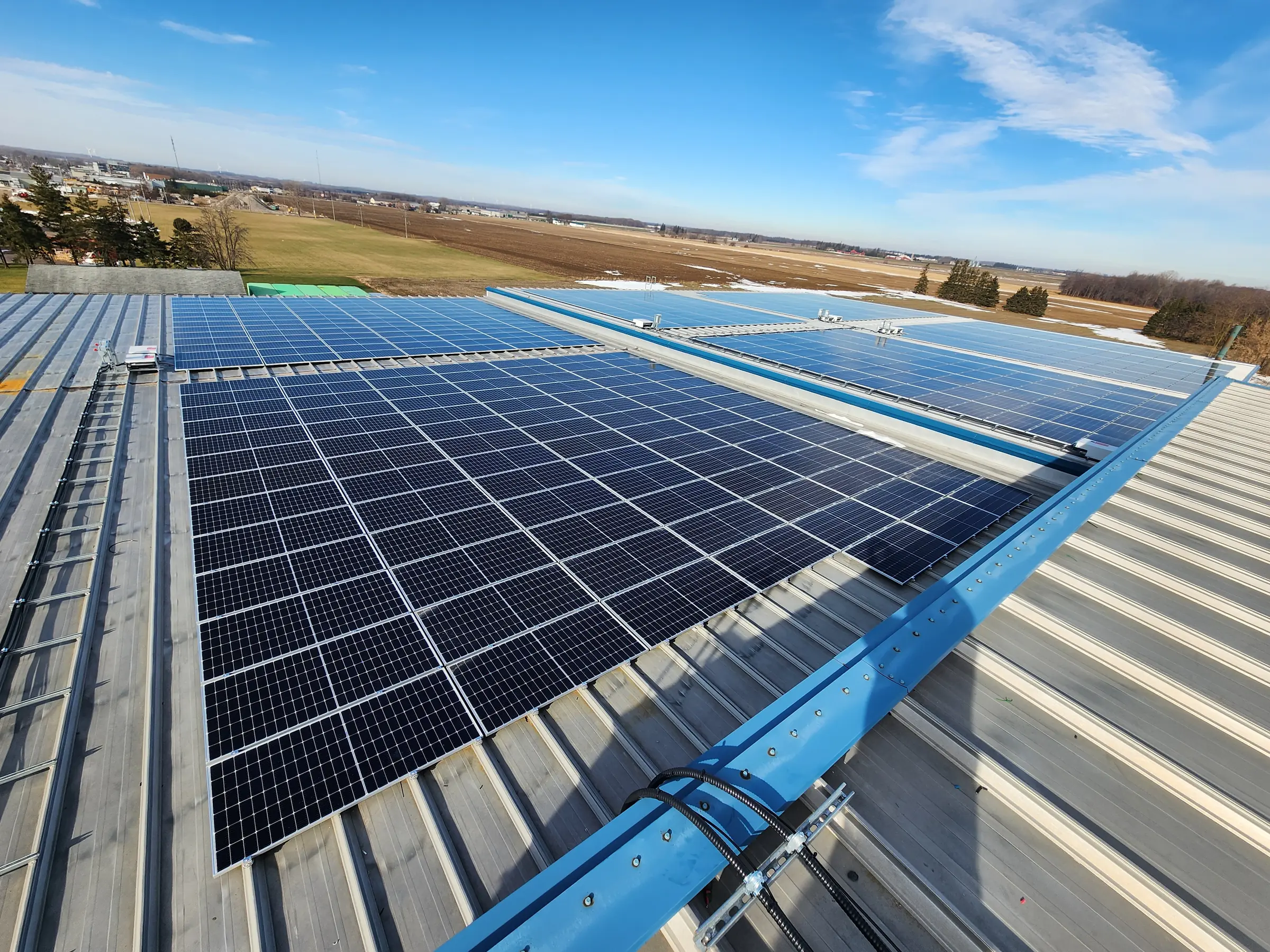
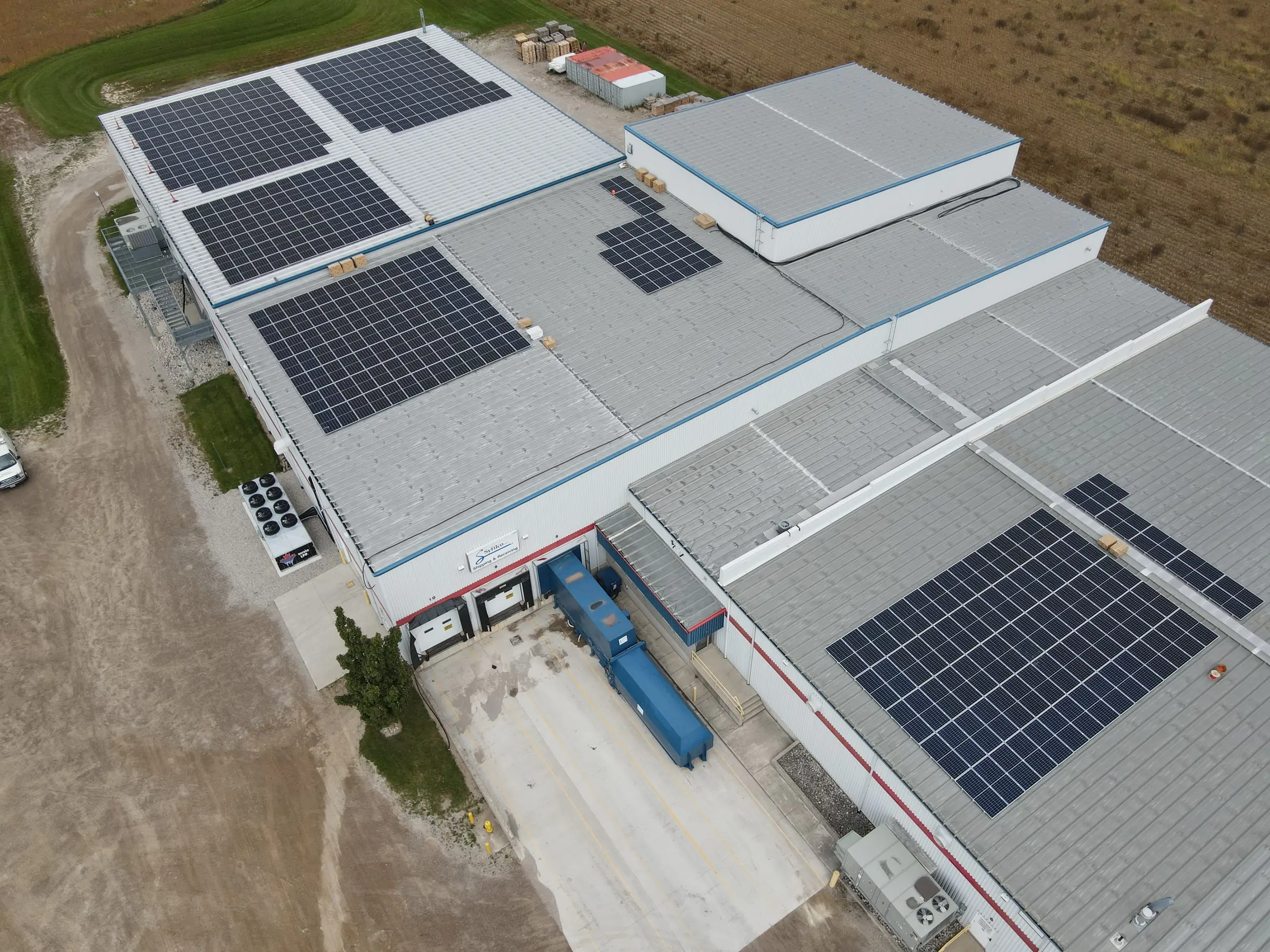
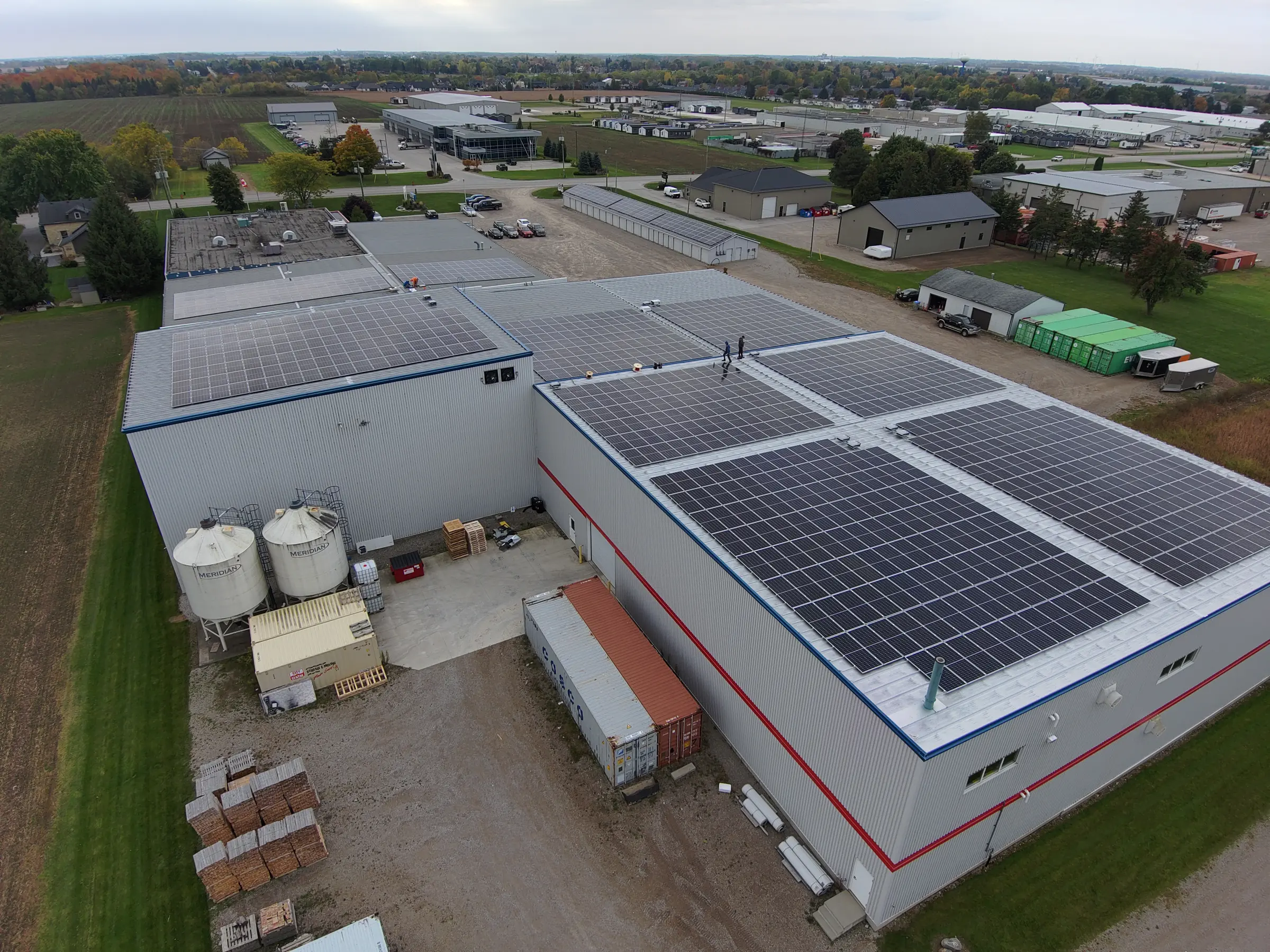
Ballasted flat-roof solar at a textile distribution facility in Exeter, Ontario. A representative example of commercial solar for warehousing and distribution facilities. Sized to offset daytime base load and reduce exposure to rising utility rates.
Warehousing and logistics facilities span very different operating profiles — from continuous distribution centres to refrigeration-heavy cold storage to fleet depots planning electrification. Each calls for a different sequencing of measures.
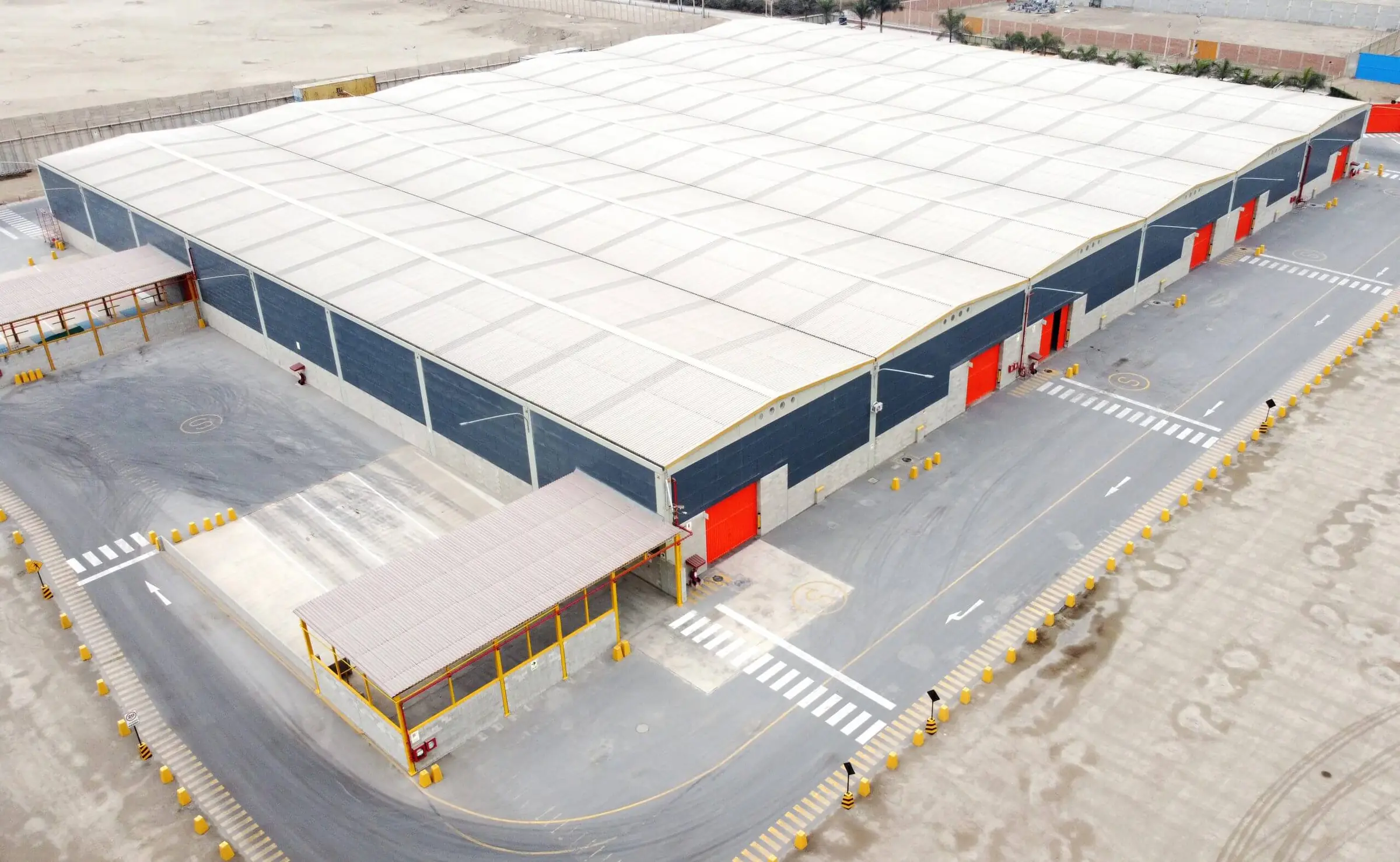
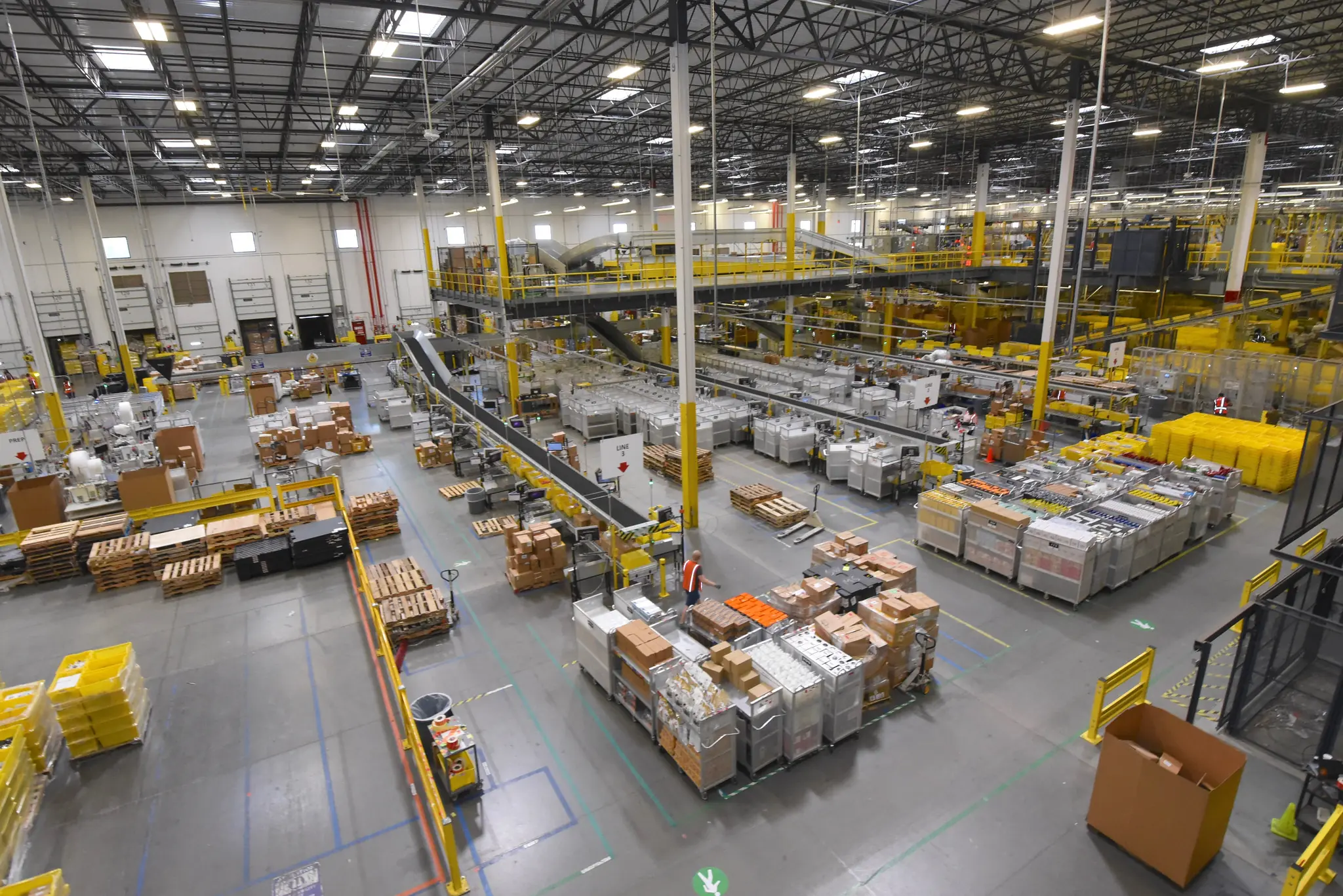
Large-scale distribution facilities operate extensive lighting, conveyor systems, dock equipment, and climate control systems around the clock. Energy strategies often focus on reducing operational costs while supporting high-throughput logistics operations.
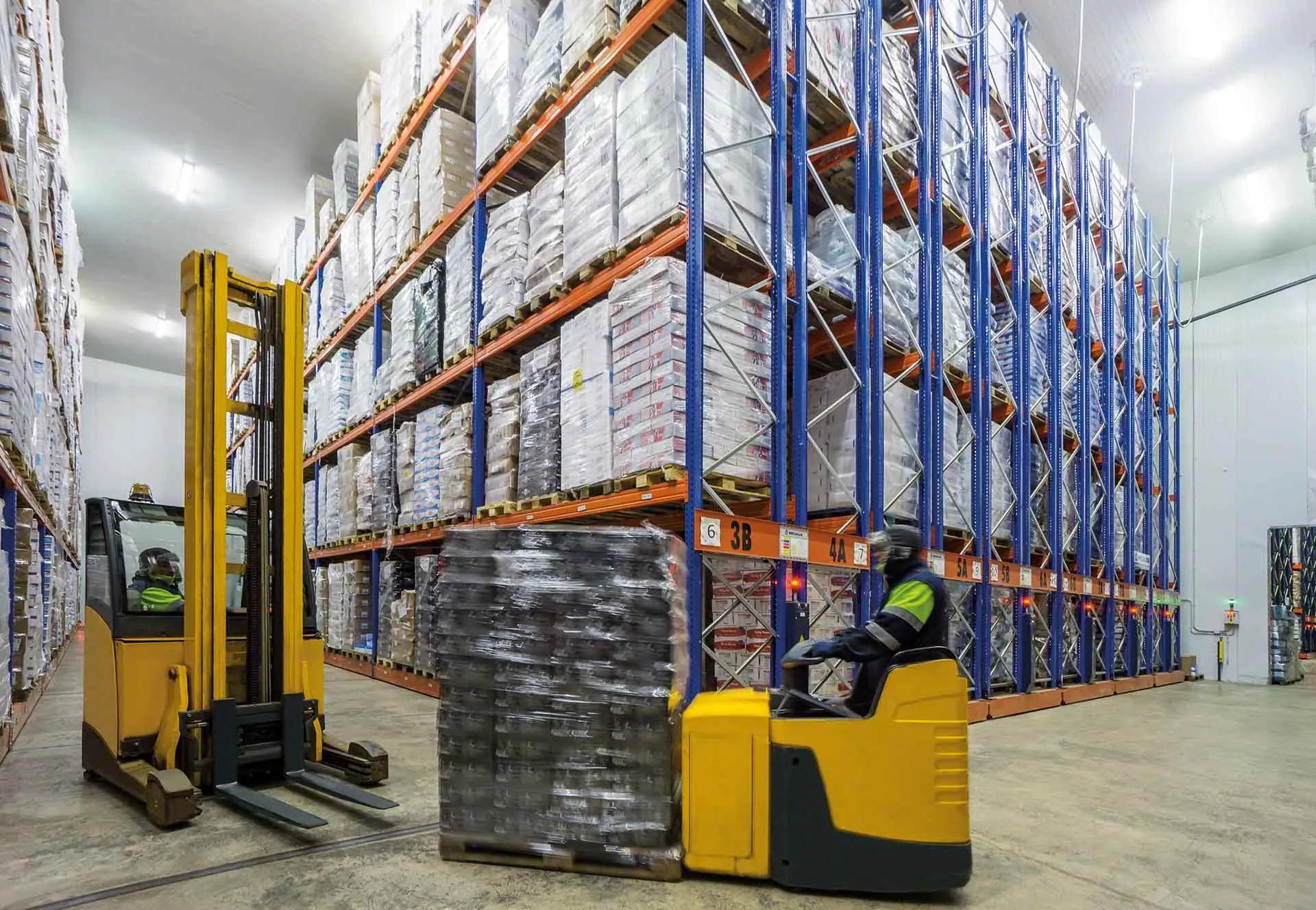
Temperature-controlled warehouses require continuous refrigeration systems to preserve perishable goods and maintain strict storage conditions. Refrigeration loads, backup power, and energy efficiency are critical to operational reliability.
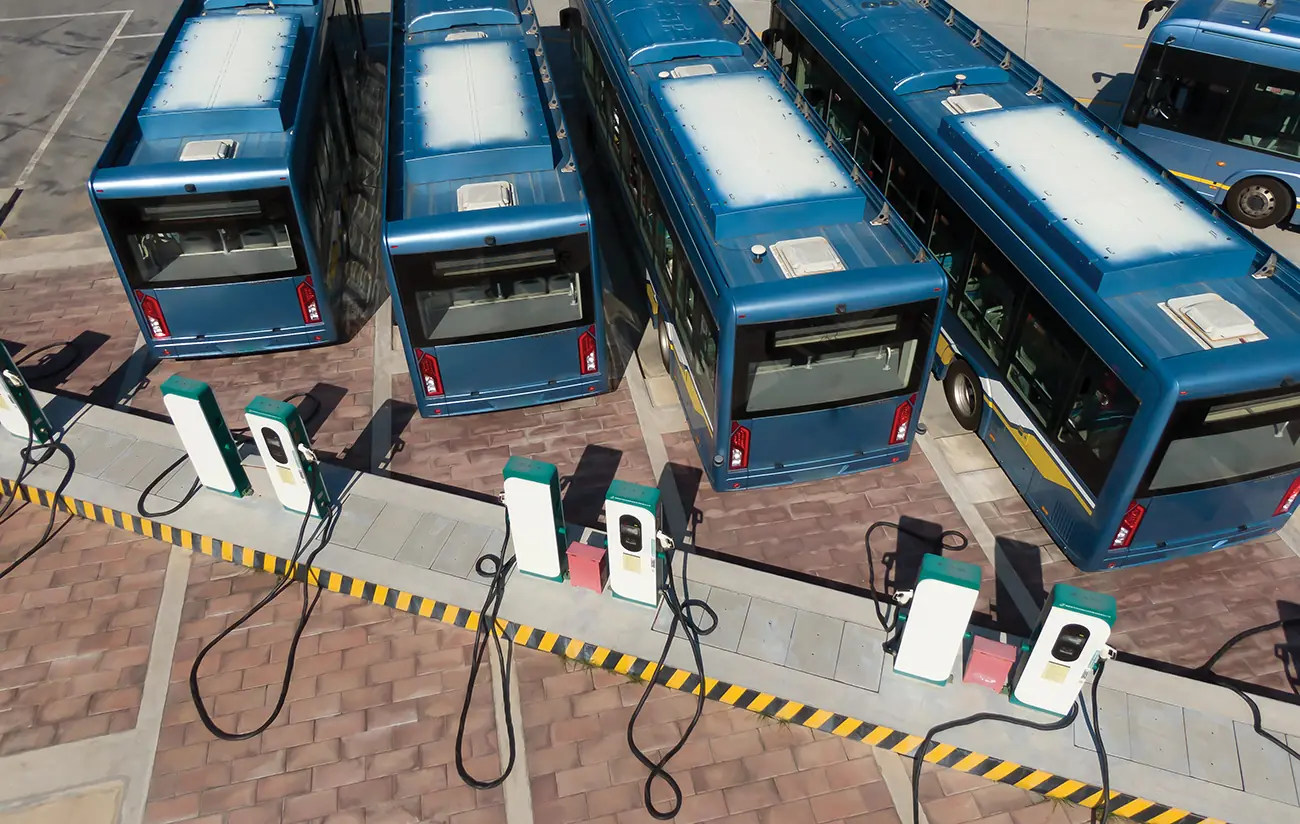
Fleet depots, trucking terminals, and vehicle maintenance facilities consume energy through fueling systems, ventilation, lighting, and EV charging infrastructure. Modernization efforts increasingly focus on electrification and operational efficiency.
High-volume fulfillment facilities rely on automation, robotics, sorting equipment, and extended operating hours to support rapid order processing. Managing electricity demand and equipment performance is essential for operational continuity.
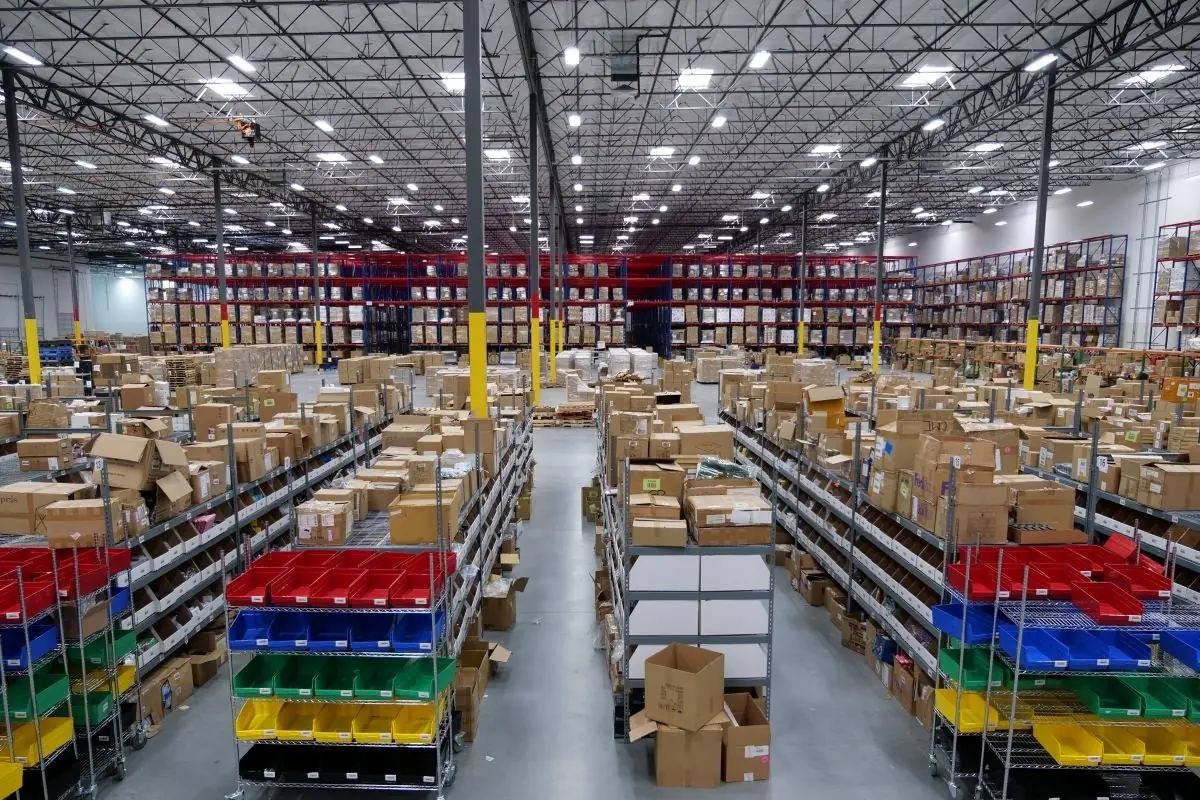
3PL operations support multiple clients with varying storage, handling, and distribution requirements. Flexible energy solutions help optimize warehouse operations while accommodating changing logistics demands.
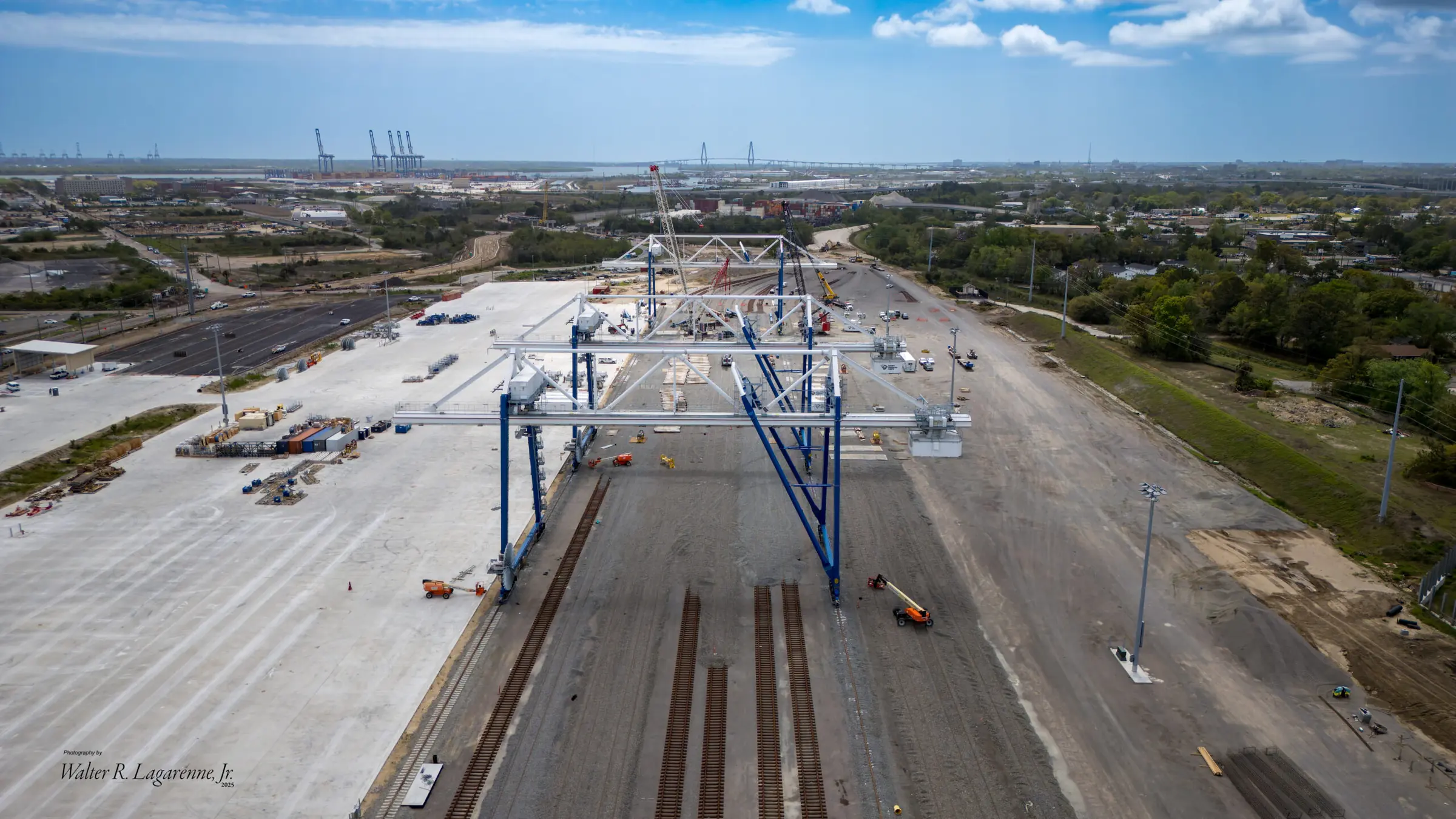
Intermodal terminals and freight handling facilities require energy for material handling equipment, yard lighting, refrigeration connections, and transportation infrastructure. Energy resilience and operational uptime are key priorities in large-scale logistics environments.
Not sure which sub-sector best describes your facility? That's usually the right place to start a conversation. A 20-minute call is enough to map your load profile against the right scope of work.
Most distribution and logistics facilities already have enough operational and utility data to identify meaningful energy-saving opportunities. The first step is understanding how the facility consumes power and where the strongest payback exists.
We review your facility type, square footage, operating hours, fleet electrification plans, and current priorities. No commitment required.
Interval and utility billing data help identify:
We produce a facility-specific baseline covering consumption, demand charges, and a ranked list of measures — the reference point for capital planning and procurement.
Warehousing and logistics energy questions — specific to distribution, fulfillment, cold-chain, and fleet operations.
Most modern distribution facilities have large, unobstructed flat roofs ideal for solar. A short structural assessment confirms whether the existing roof can carry the additional dead load and where mechanical penetrations, skylights, and roof drainage place constraints on the array layout. For older buildings or buildings with a near-term re-roofing schedule, we coordinate solar timing against the re-roof so the array is installed on a fresh membrane.
Large warehouses commonly pay both energy charges (cents per kWh) and demand charges (dollars per kW of peak draw). Demand charges are set by the highest 15-minute interval each month and can represent a substantial fraction of the bill. Battery storage discharges during short peak events to keep the metered demand below the threshold that sets the monthly bill, producing operating cost reductions independent of energy savings — and providing resilience for cold-chain, automation, and security systems.
Sometimes — but only after the existing service capacity and load profile are reviewed. We assess available capacity, model the proposed charging load, and identify whether smart load management can defer or eliminate the need for a service upgrade. For higher-power fleet charging or sites already near service capacity, an upgrade may be unavoidable. Identifying that early avoids emergency electrical work under deadline pressure from a fleet replacement schedule.
High-bay LED retrofits in 24/7 warehouses typically pay back within two to four years through reduced electricity consumption, lower lamp-replacement and maintenance costs, and reduced HVAC heat-rejection load on cooled spaces. This is usually the fastest-payback measure in the building. We size it against your operating hours, current fixture inventory, and saveONenergy incentive eligibility.
Yes — most federal and provincial programs are available to both owners and tenants, with the eligible party determined by who owns the equipment and bears the project cost. We help structure the project so that the right party captures the incentive and the savings flow through the lease in a defensible way. For long-term tenants, this typically involves a green-lease amendment or a side agreement covering equipment ownership, capital allocation, and incentive attribution.
Straight answers from our engineering team — explore the most-asked questions on this topic.