#1Reality
Agricultural operations depend on reliable electricity.
Farms, greenhouses, livestock operations, and agricultural processors depend on reliable electricity for ventilation, irrigation, refrigeration, lighting, and production systems.
Farms, greenhouses, livestock operations, and agricultural processors depend on reliable electricity for ventilation, irrigation, refrigeration, lighting, and production systems.
High electricity usage during planting, harvesting, storage, and processing periods increases exposure to rising utility costs and operational volatility.
Input costs continue to rise across the agricultural sector, making energy efficiency and long-term cost predictability increasingly important.
Solar, storage, LED lighting, and electrical upgrades help agricultural operations reduce electricity costs, improve energy predictability, and support long-term sustainability goals.
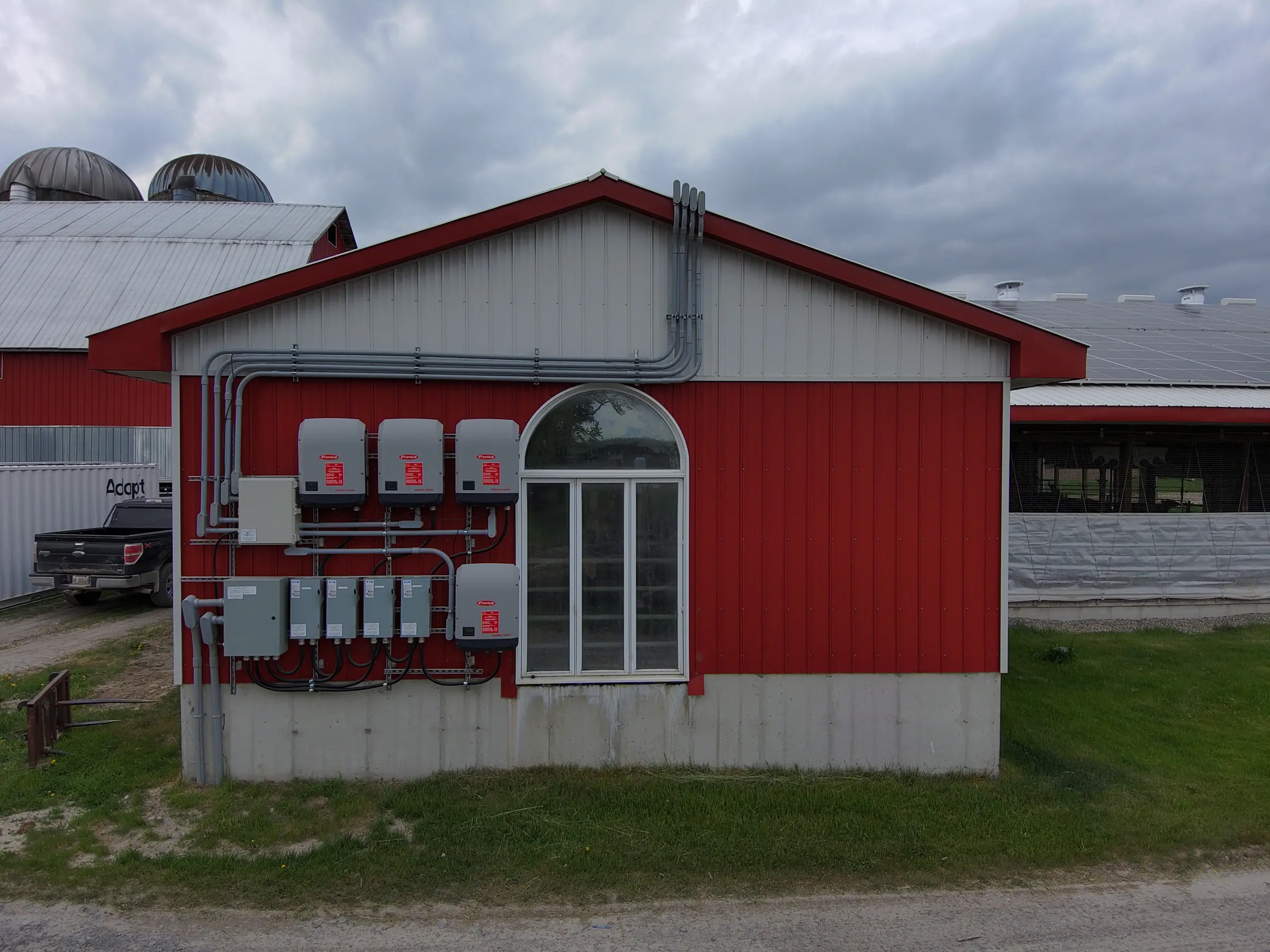
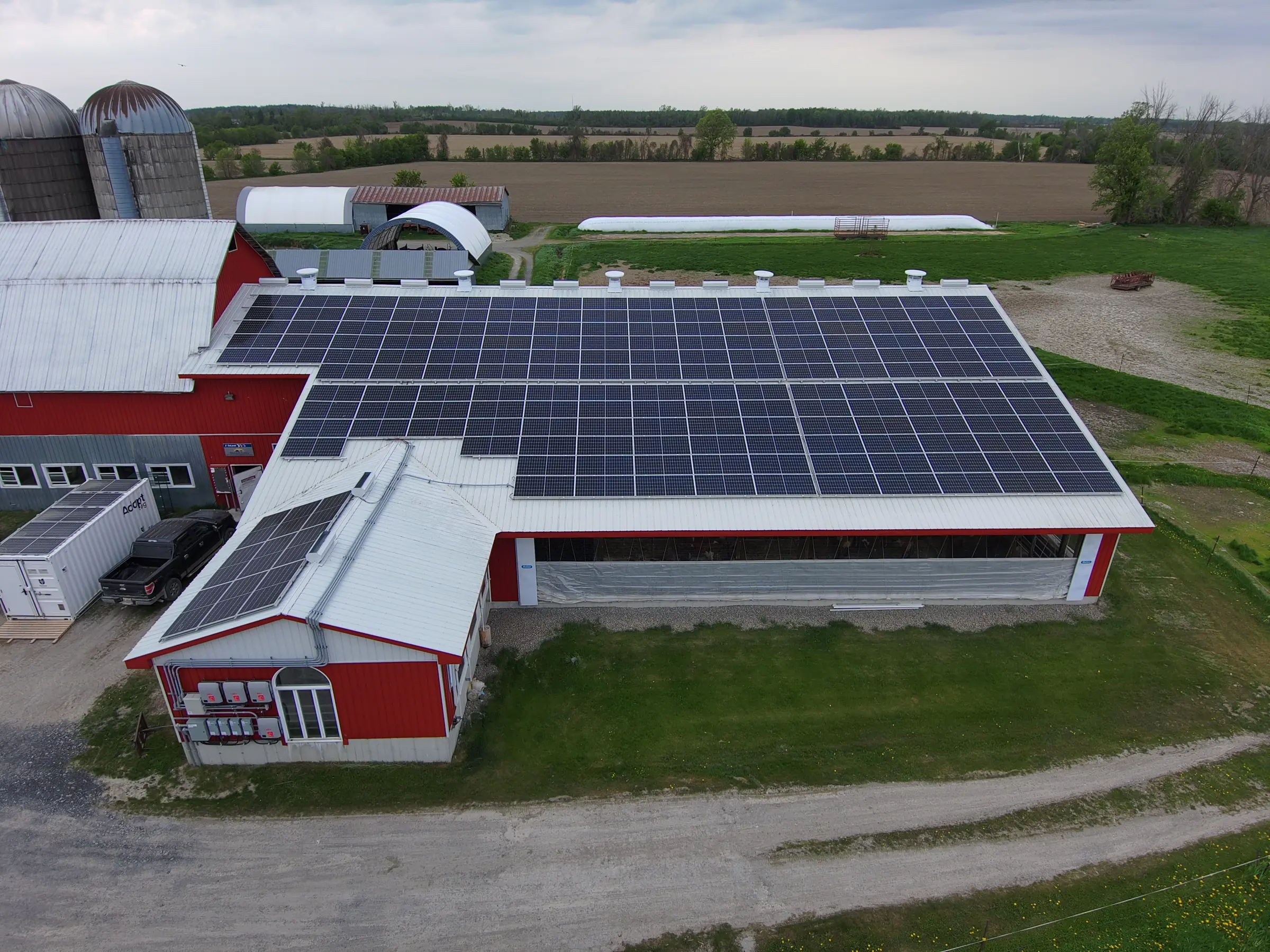
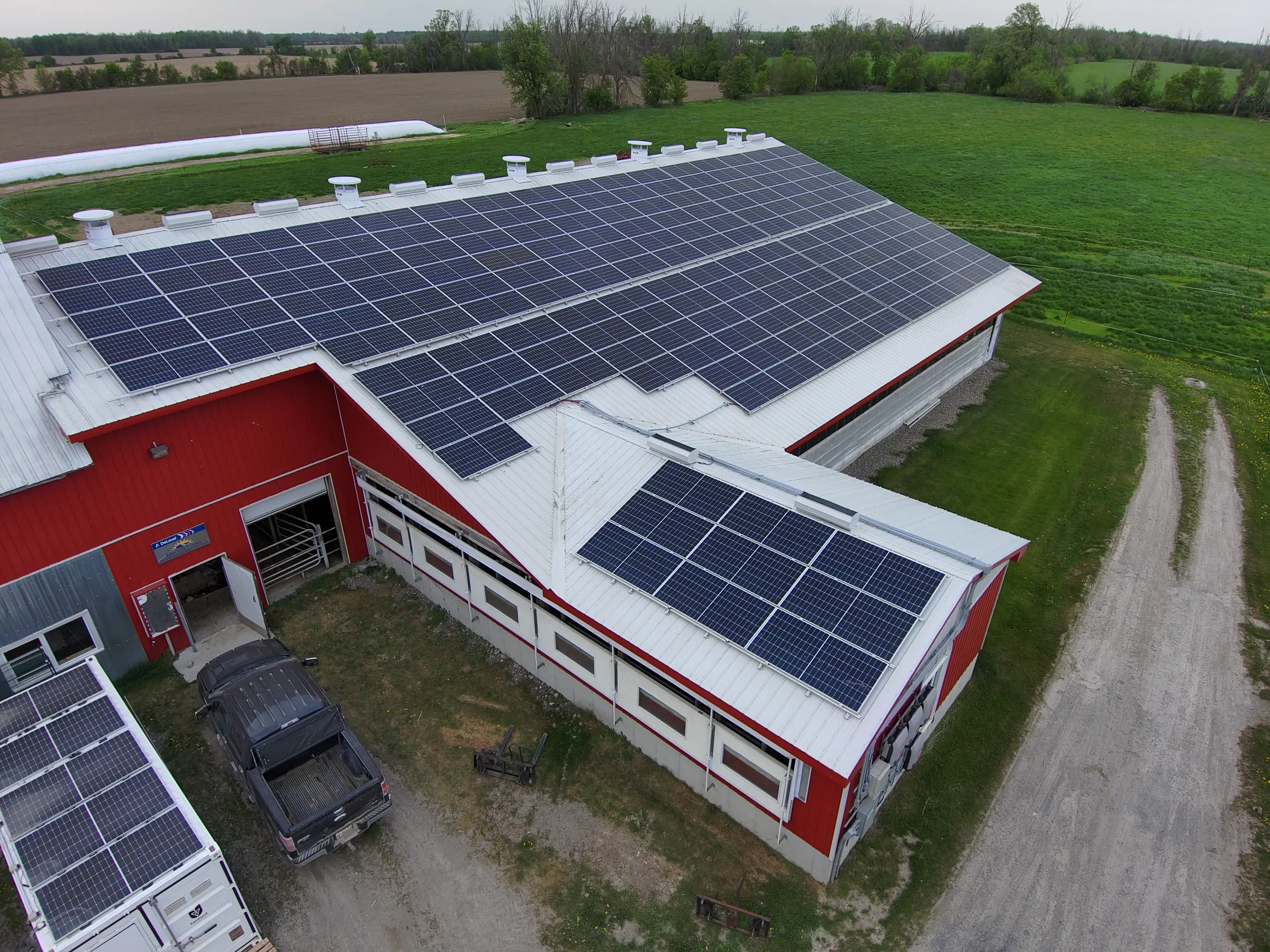
A working farm in Osgoode, Ontario. Roof-mounted bifacial modules across multiple roof planes — sized to a 12-month load profile covering ventilation, lighting, and refrigeration.
Agricultural facilities span very different operating profiles — from year-round greenhouse climate control to seasonal grain handling, from continuous dairy operations to refrigerated food processing. Each calls for a different sequencing of measures.
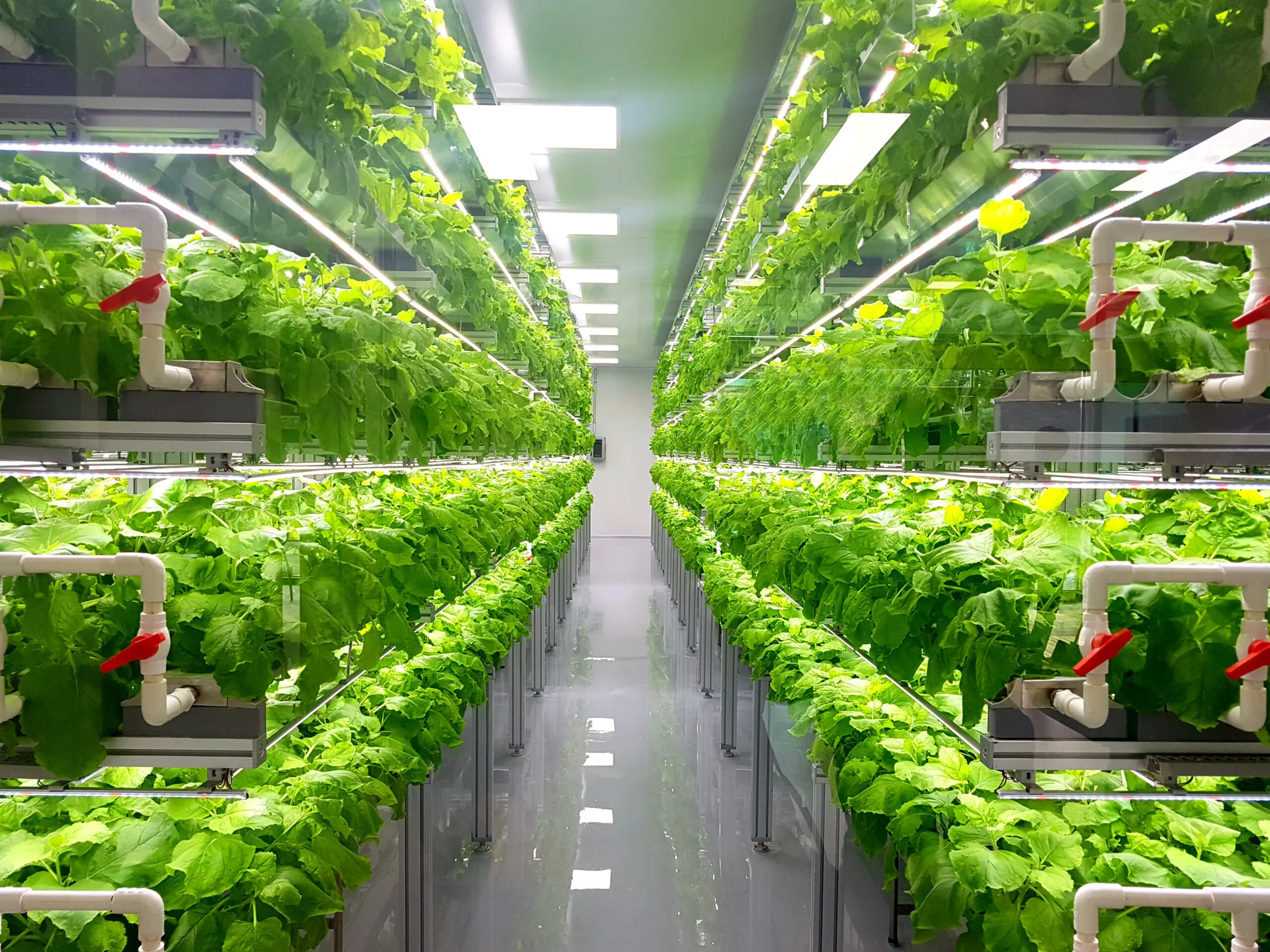
Greenhouses rely on intensive heating, lighting, ventilation, and irrigation systems to maintain optimal growing conditions year-round. Energy strategies often focus on operational efficiency, climate control, and reducing seasonal utility costs.
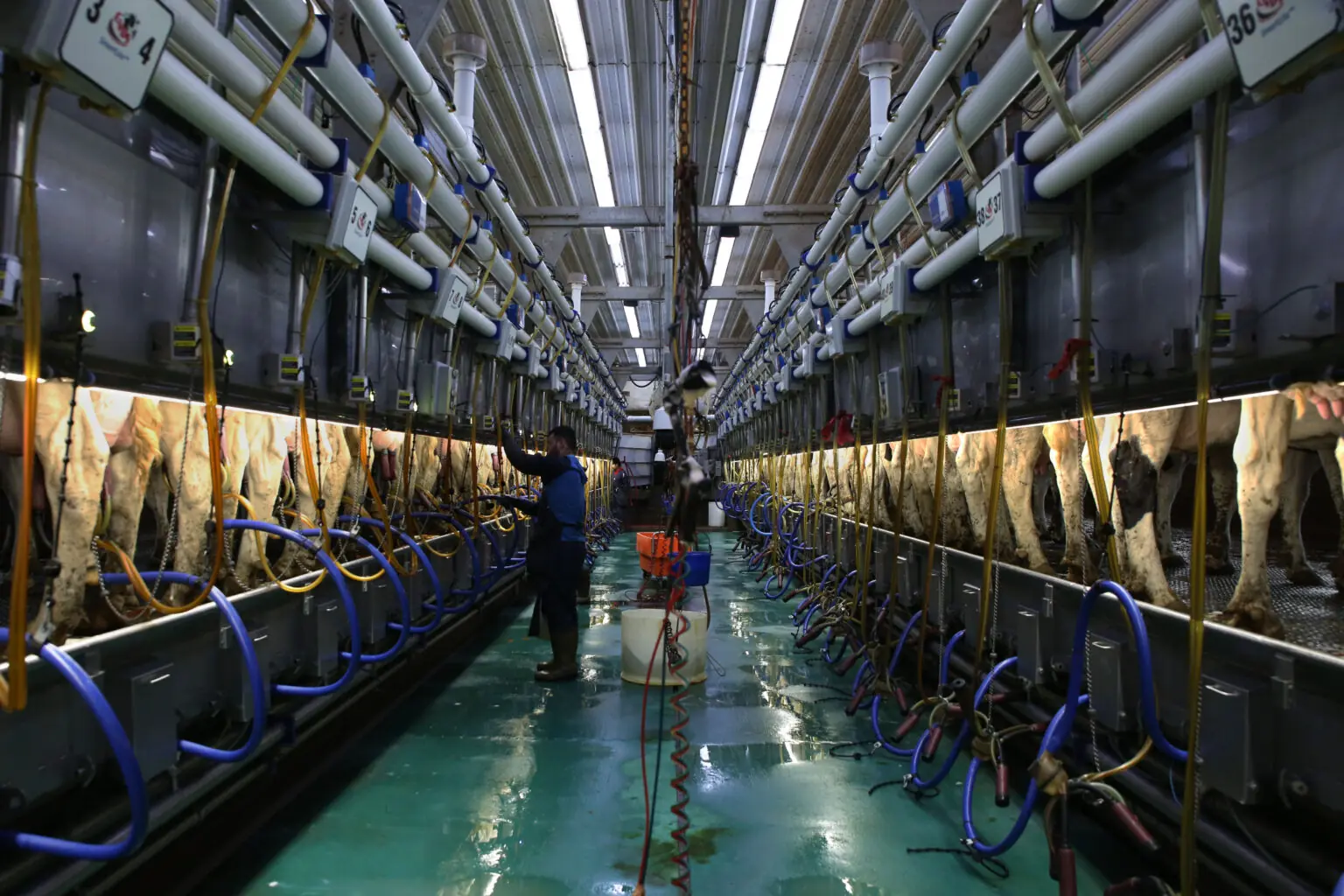
Dairy farms and livestock facilities consume energy through ventilation, refrigeration, water heating, feeding systems, and barn operations. Reliable energy infrastructure is critical for animal health and continuous production.
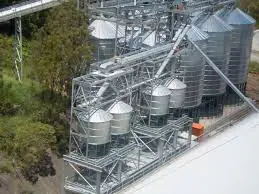
Grain elevators and storage operations require energy for drying systems, conveyors, aeration equipment, and material handling infrastructure. Managing seasonal peak loads and operational efficiency is essential during harvest periods.
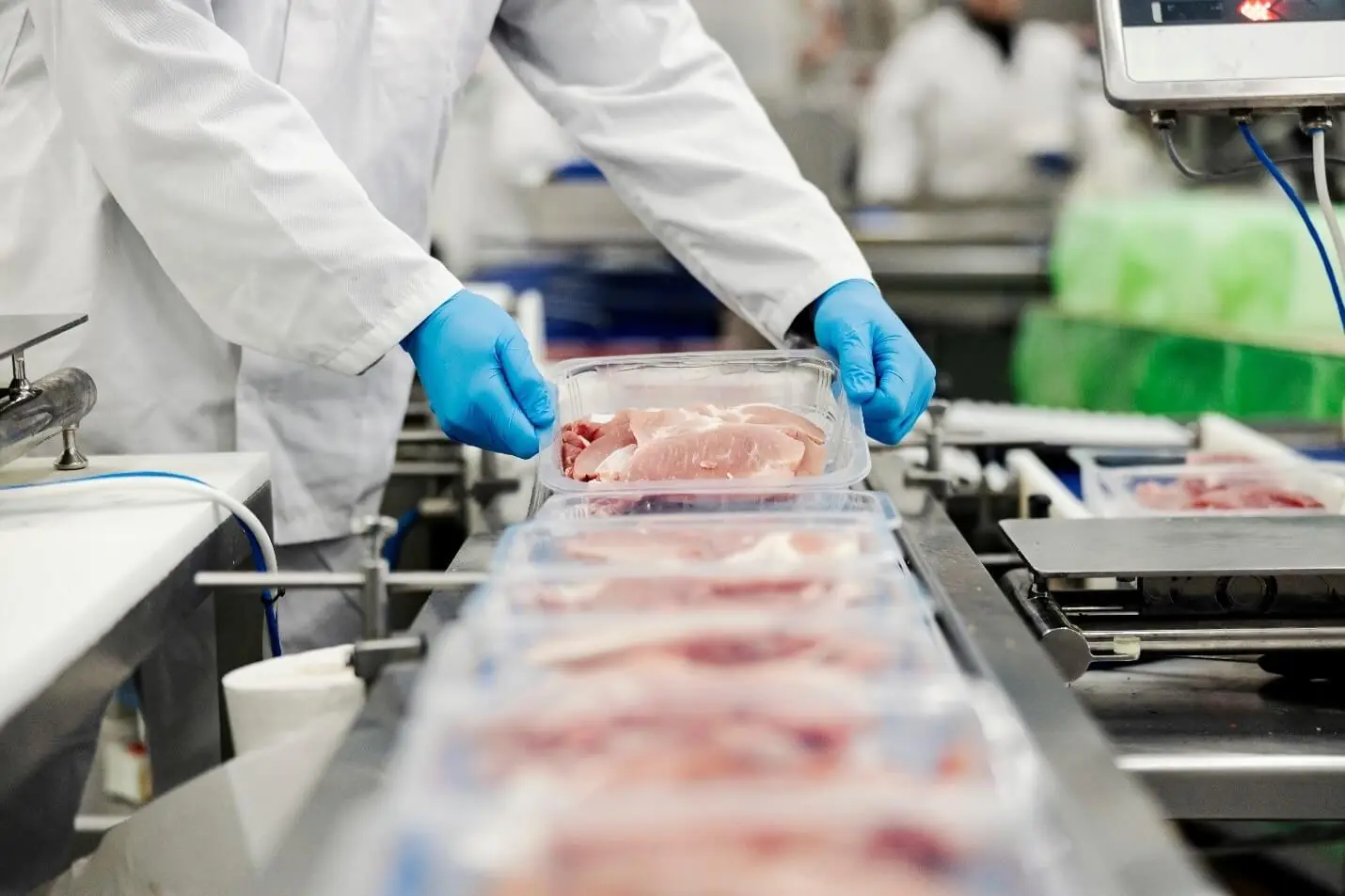
Agricultural processing facilities depend on refrigeration, sanitation systems, process equipment, and packaging lines to prepare products for distribution. Energy optimization supports production reliability and cost control.
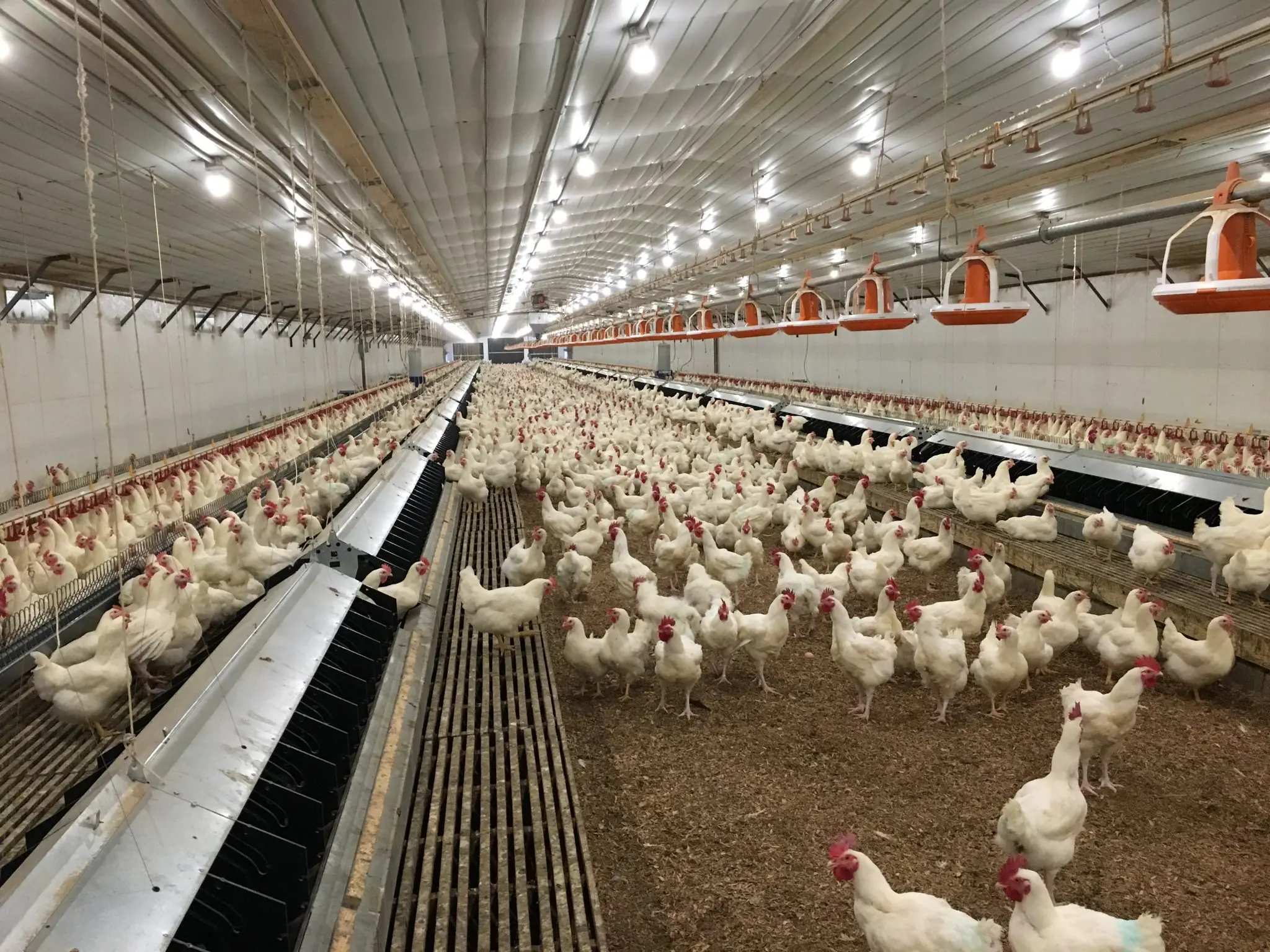
Poultry barns and hatcheries maintain strict environmental conditions through heating, ventilation, lighting, and automated feeding systems. Consistent energy performance is necessary to maintain operational stability and animal welfare.
Farm equipment storage, maintenance buildings, and agricultural warehouses rely on lighting, ventilation, and mechanical systems to support daily operations. Energy upgrades can improve facility efficiency while supporting expanding agricultural operations.
Not sure which sub-sector best describes your operation? That’s usually the right place to start a conversation. A 20-minute call is enough to map your seasonal load profile against the right scope of work.
Most agricultural operations already have enough utility and operational data to identify meaningful energy-saving opportunities. The first step is understanding how the operation consumes power across the agricultural year and where the strongest financial opportunities exist.
We review your operation type, seasonal load profile, REAP grant eligibility, and current energy concerns. No commitment required.
Interval and utility billing data — covering at least one full grain drying season — help identify:
We provide high-level insight into where solar, storage, LED lighting, electrical upgrades, or energy audits may create operational and financial value — alongside applicable grant funding pathways.
Agricultural energy questions specific to Ontario’s farm operations.
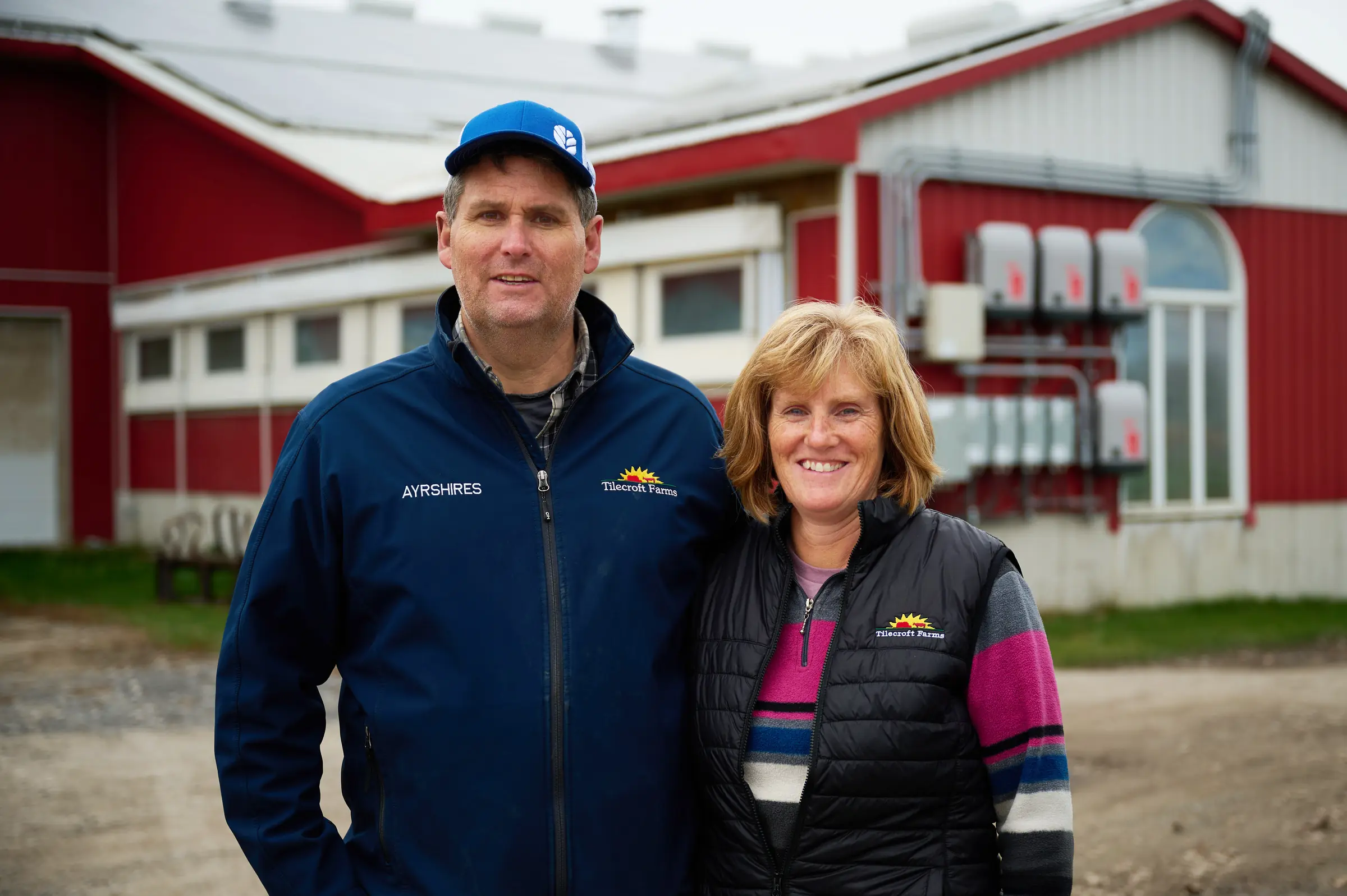
Yes — barn roofs, processing buildings, and agricultural outbuildings are among the most common surfaces for commercial solar in Ontario. A pre-installation structural assessment confirms the roof's capacity for the additional dead and live (snow) load. Roof age, mount type, and orientation are evaluated. The Tilecroft Farms 79.6 kW system is a multi-plane barn-roof installation that achieved 82% annual offset — the highest verified offset of any Green Integrations project across all sectors.
Solar economics on a farm are built on annual offset, not month-by-month matching. A typical Ontario farm has high baseline ventilation and lighting year-round, an irrigation peak in summer (which aligns well with solar generation), and a grain drying spike in autumn (which does not). The solar system is sized to the annual consumption profile. Where the autumn drying peak creates significant demand-charge exposure, battery storage can address that without needing to fully offset the energy volume.
REAP refers to federal Rural and Northern Communities Clean Energy programs administered by Natural Resources Canada and AAFC. These provide grant funding to qualifying agricultural and rural operations for renewable energy generation, storage, and energy efficiency upgrades. Eligibility is project-specific — generally tied to the type of operation, the project category, and how the project is structured. We screen projects for eligibility as part of the initial assessment and manage the application end-to-end. Most farms either don't apply for available funding or leave eligible portions unclaimed.
Greenhouse roofing is typically transparent or translucent and is not a candidate surface for solar modules. However, adjacent buildings — packing houses, processing facilities, headhouses, or workshops — frequently have suitable roof area. Ground-mount installations are often the best option for greenhouse operations with available land. The R Brush Farms 129.8 kW project in Blenheim is an example of a building-roof installation supporting a greenhouse operation — the modules sit on the adjacent processing building roofline.
An agricultural project typically takes 4–9 months from initial assessment to commissioning, depending on size, grid interconnection requirements, and grant program timing. The sequence: 12-month interval data analysis (1–2 weeks), site and structural assessment (2–4 weeks), grant application preparation and submission (varies by program), Hydro One or LDC interconnection application (4–12 weeks), engineering and procurement (4–8 weeks), installation (1–4 weeks), commissioning and ESA inspection (1–2 weeks). Grant program cycles are often the longest variable — we sequence project milestones around them.
Straight answers from our engineering team — explore the most-asked questions on this topic.