
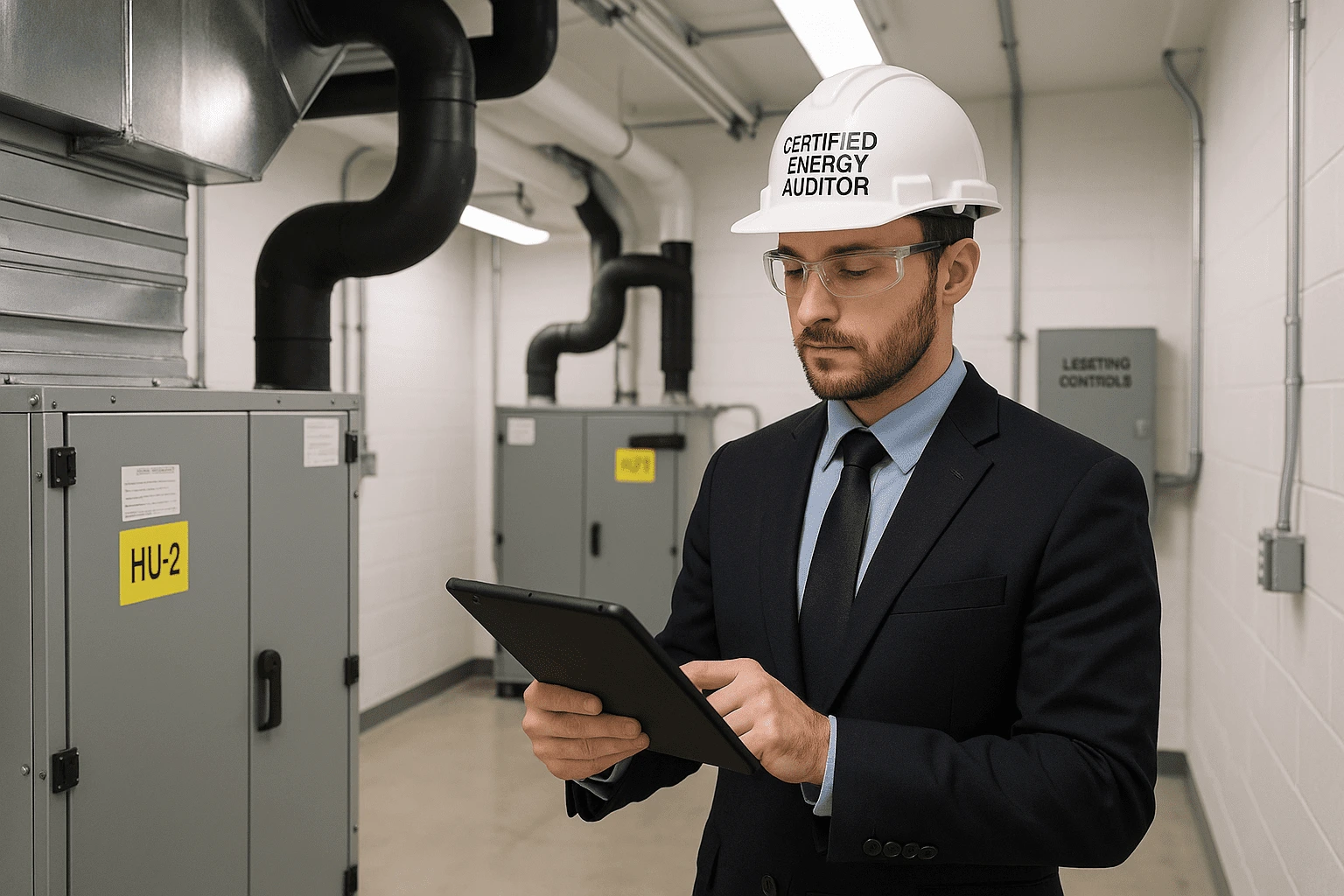
Four reasons energy audits improve facility performance.
Commercial energy audits identify where facilities are losing efficiency, spending unnecessarily on utilities, and missing operational optimization opportunities. Here is how energy audits create measurable value for Canadian commercial and industrial buildings.
Identify where utility costs can be reduced.
Detailed facility analysis uncovers inefficiencies in HVAC, lighting, controls, compressed air, and operational systems.
Understand how your facility actually operates.
Energy audits provide data-driven visibility into equipment performance, operating schedules, and energy-intensive processes.
Capture available rebates and funding.
Audit reports help support utility incentives, capital planning, ESG initiatives, and future energy compliance requirements.
Build a roadmap for future improvements.
Energy audits prioritize projects based on ROI, operational impact, and long-term facility objectives.
Green Integrations performs commercial and industrial energy audits designed to identify practical savings opportunities, operational improvements, and long-term energy strategies — including data analysis, recommissioning opportunities, utility review, and capital planning support.

A measured schedule.
Years of savings.
From pre-approval to final report — typical engagements run nine to thirteen weeks, with no disruption to the facility.
- 01Incentive pre-approval4–6wks
Program application, baseline scoping, and utility pre-approval prior to onsite work.
- 02Data collection2wks
Utility bills, equipment inventories, BMS logs and submeter data gathered remotely.
- 03Onsite assessment1wk
Site walkthrough, measurements and operator interviews — no shutdowns required.
- 04Report preparation2–4wks
ECMs modelled, savings calculated, and a ranked recommendations report delivered.
From utility data to operational insight.
An energy audit establishes how the facility actually consumes power — identifying where operating costs, demand charges, and inefficiencies exist, and where energy infrastructure investments may create the strongest return.
Analyze
Electricity, natural gas, water bills, and interval data — 12 months minimum — is analysed to build the facility’s actual energy consumption and demand profile. This identifies the specific hours, systems, and billing components driving the highest costs.
Inspect
A full facility walkthrough covers HVAC systems, lighting, building controls, compressed air, and production loads. Thermal imaging, equipment logging, and control system review, identifies hidden inefficiencies.
Quantify
Specific measures are identified and quantified: HVAC recommissioning, BAS reprograming, LED lighting, controls upgrades. Each measure is presented with an estimated annual saving and a preliminary payback period.
Document
The audit report documents the verified baseline, the identified measures, eligible incentives, GHG reduction opportunities, and how distributed energy resources like solar and battery storage can benefit the operation.
One audit, five measures, $311,823 in annual savings.
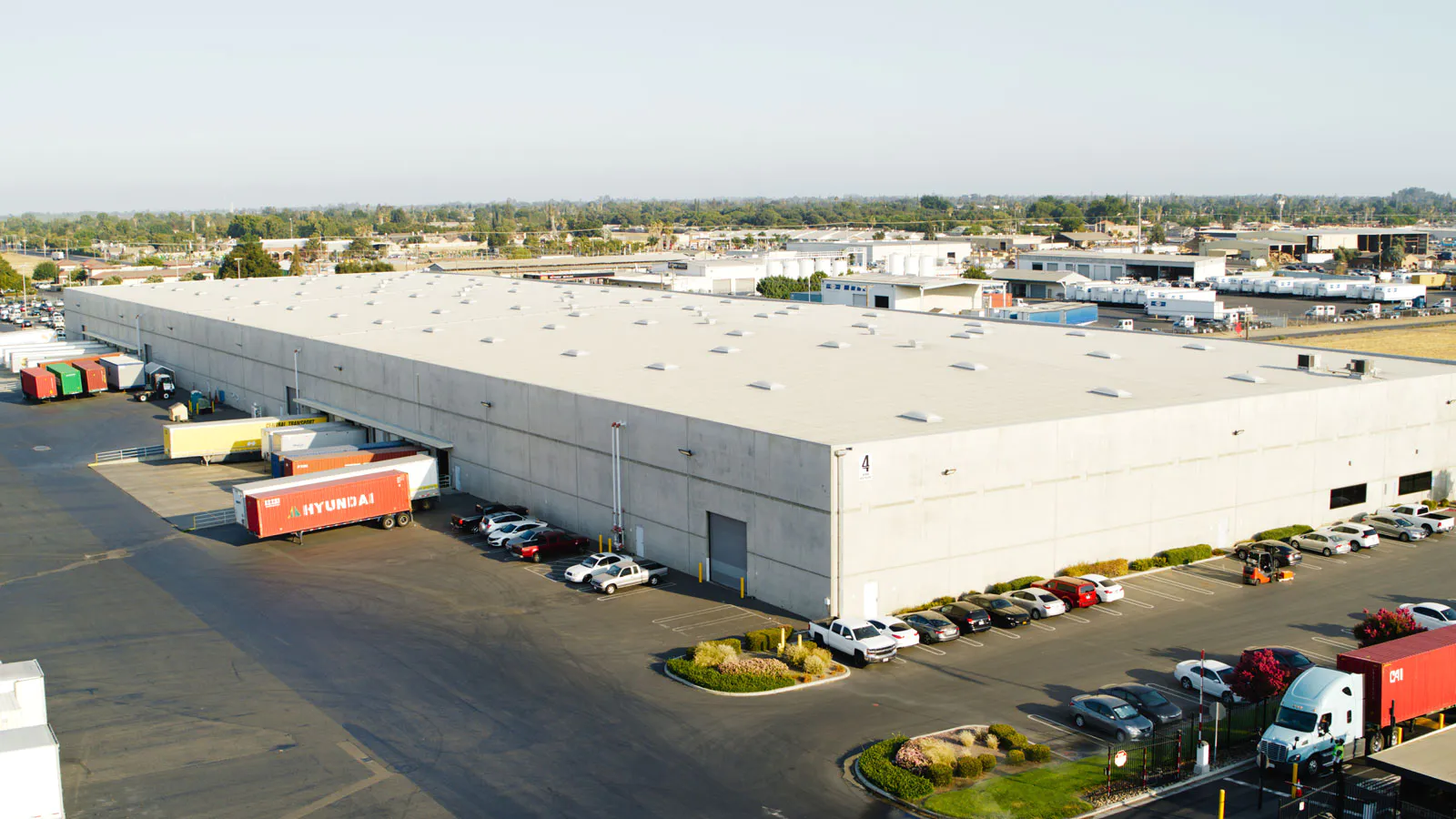
A high-throughput distribution facility in the GTA. ASHRAE Level 2 assessment paired four building-side conservation measures with a rooftop solar feasibility study — sized, costed, and prioritised in a single capital plan.
Annual cost savings, by conservation measure.
Solar PV anchors the savings stack; four building-side ECMs identified during the audit deliver the remaining $107,320 per year — paid for entirely by the avoided utility spend.
12 months of interval utility data analysed against weather and operating schedule. Building envelope and HVAC condition walked and documented on site.
Calibrated energy model isolated load drivers across RTUs, economisers, lighting, and process equipment. Each ECM costed and ranked by payback.
Rooftop capacity, structural allowance, and IESO interconnection envelope sized against load profile to confirm the PV opportunity.
ASHRAE Level 2 report delivered with five prioritised measures, $311,823 in modelled annual savings, and Save on Energy incentive pathways.
The right level of audit for your project.
ASHRAE defines three levels of commercial energy audit. The level you need depends on your goals, the size of your facility, and which incentive programs you are applying for.
Most commercial and industrial energy projects begin with a Level 2 audit. It provides enough detail to scope the work, apply for incentives, and build the financial model — without the additional cost and time of a full investment-grade analysis.
Energy audits built around the operation.
The value of an energy audit varies by sector — but the starting point is always the same: understand what is actually happening before recommending what to do about it.
Manufacturing
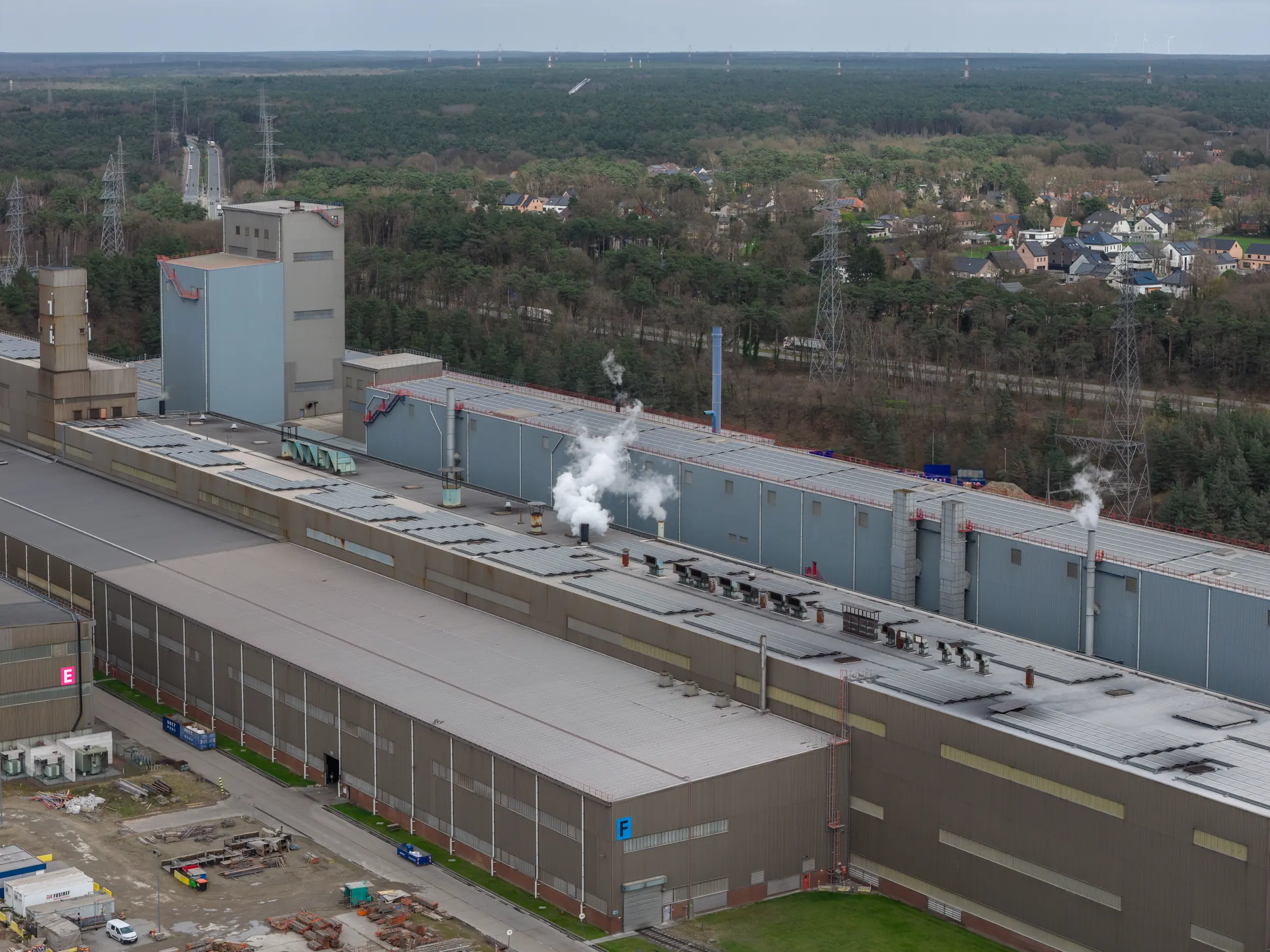
Electricity is one of the largest controllable costs in continuous manufacturing. We work with Ontario operators to reduce consumption, size generation around actual facility demand, and build the infrastructure for long-term cost stability.
Process equipment · Heavy machinery · Compressed air
Food & Beverage
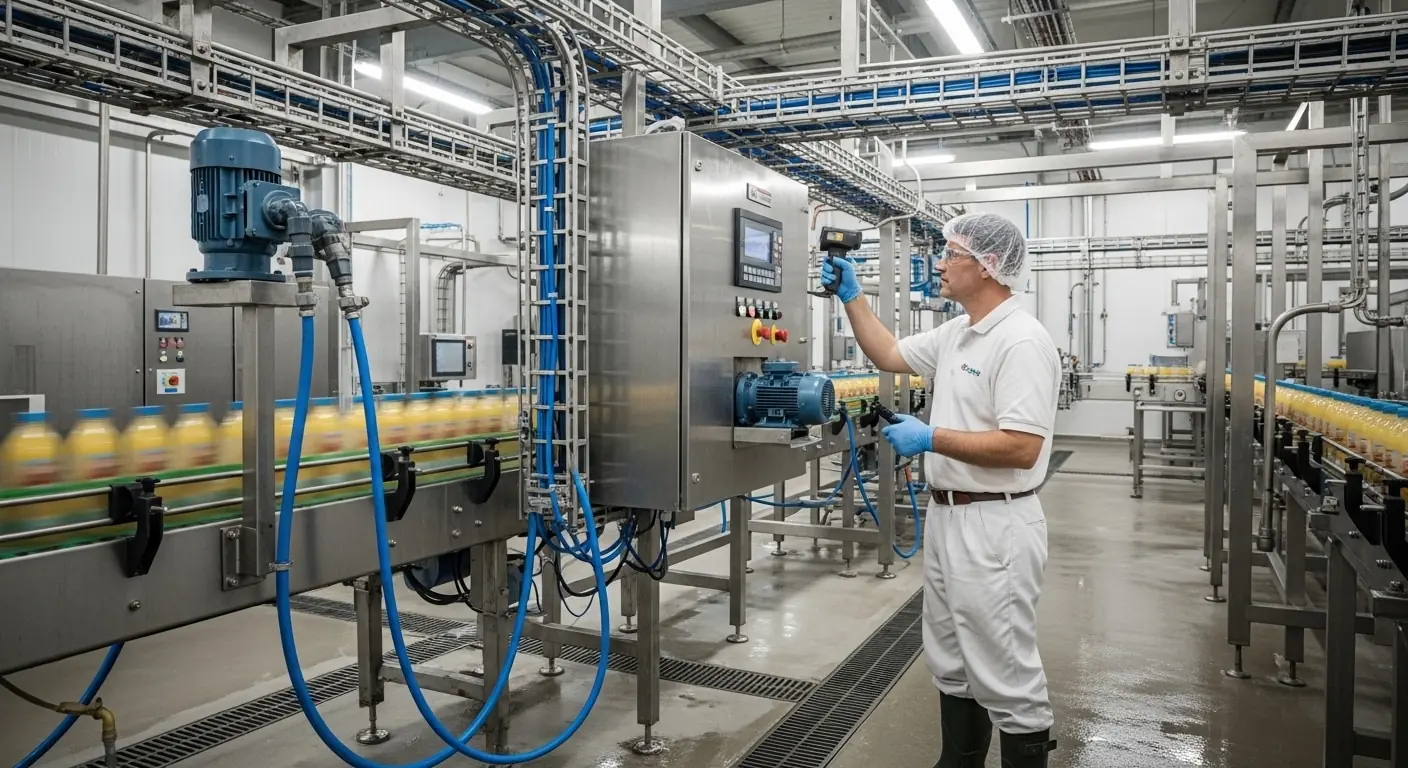
Food and beverage facilities operate around refrigeration loads, sanitation schedules, HACCP requirements, and continuous production demands. We plan and implement energy programs around those operational constraints.
Cold storage · Processing plants · Food retail distribution
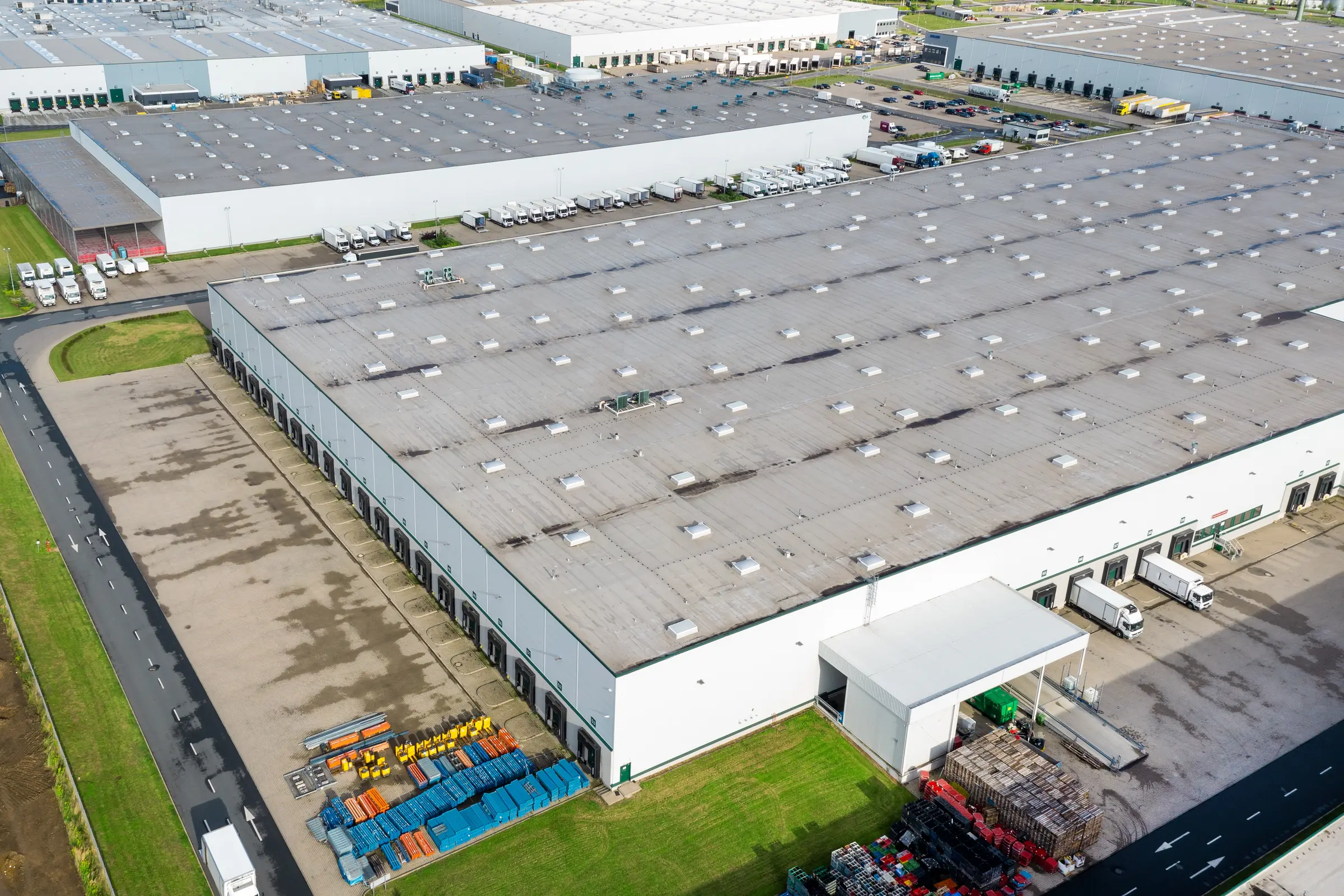
Warehousing
Distribution centres, fulfilment facilities, and intermodal terminals operate around the clock with rising electricity demand. We plan and deliver energy programs around facility scale, demand-charge exposure, fleet electrification, and the cost of operational continuity.
Distribution centres · Fulfilment hubs · Cold-chain logistics
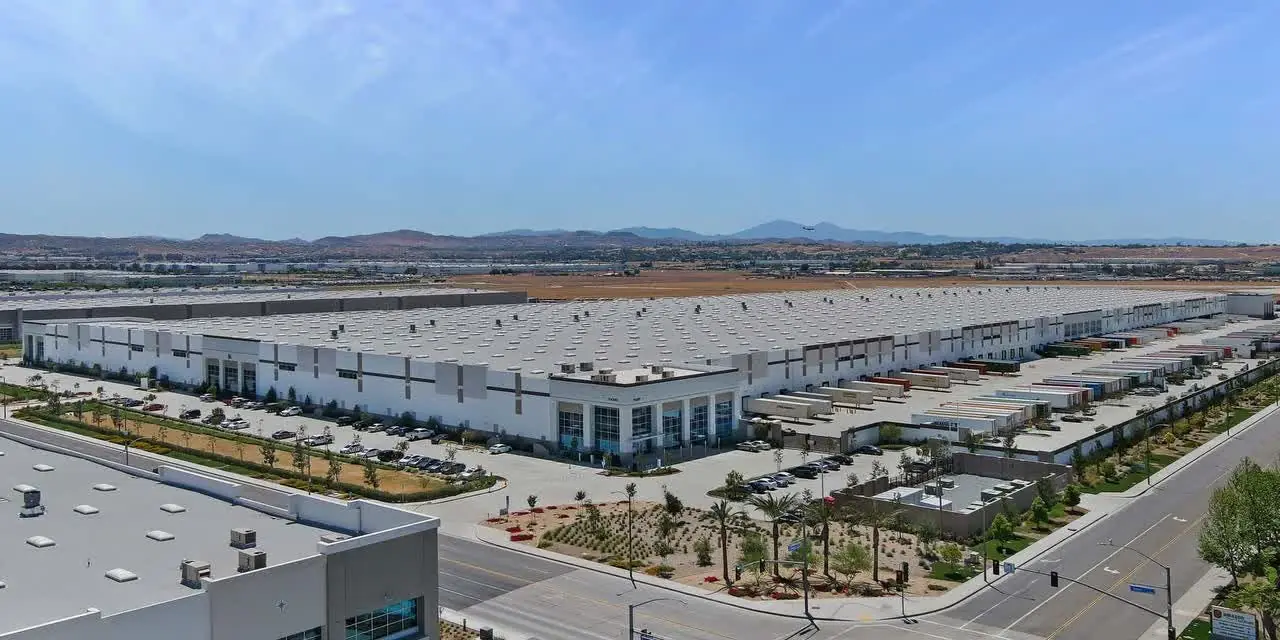
Commercial Real Estate
We work with Canadian commercial real estate owners, asset managers, and finance teams to reduce operating costs through solar, storage, LED lighting, recommissioning, and electrical upgrades — planned around NOI, BEPS compliance, and long-term asset value.
Office towers · Retail centres · Mixed-use properties
Not sure where your facility fits? That is usually the right place to start a conversation. A 20-minute call is enough to scope the right level of audit for your facility.
Built on long-term performance.
End-to-end delivery, strong financial outcomes, and partnerships that extend beyond commissioning.
“Financial modelling translated directly into operating results.”
Green Integrations delivered a detailed financial model and system design that aligned with our production demands. The project was executed on time and performed as expected.
Built on long-term performance.
End-to-end delivery, strong financial outcomes, and partnerships that extend beyond commissioning.
What typically comes next.
The audit is the foundation. These services are the most common implementations identified in audit reports.
Frequently asked questions.
Audit-specific questions — answered with data from completed Ontario projects.
ASHRAE Level 1 is a walk-through assessment and utility bill review. It identifies low-cost improvements and gives a rough estimate of savings potential — suitable for initial screening or when you want to determine whether a deeper audit is justified. ASHRAE Level 2 is a detailed energy survey with full systems analysis, quantified savings estimates, and implementation costs for each identified measure. It is the standard required by most incentive programs — including NRCan IEM and IESO saveONenergy — and the level most C&I projects begin with. ASHRAE Level 3 is an investment-grade audit with highly detailed engineering analysis and measured data. It is used for major capital decisions where the board requires bankable projections before committing — typically for large HVAC replacements or combined efficiency and generation programs.
A commercial energy audit covers utility data analysis, a full site walkthrough, HVAC and building controls assessment, lighting survey, and — where applicable — production load profiling. The output is a facility-specific baseline model, a ranked list of energy conservation measures with estimated savings and payback, and the documentation required for incentive applications under NRCan and IESO saveONenergy programs.
Audit costs vary by facility size, complexity, and scope. For typical C&I facilities in Ontario, a comprehensive ASHRAE Level 2 energy audit ranges from $5,000 to $25,000 depending on floor area and systems covered. NRCan’s Industrial Energy Management program covers a portion of eligible audit costs for qualifying facilities — which can significantly reduce the net cost. We confirm NRCan eligibility during initial scoping.
Yes. The IESO saveONenergy Retrofit Incentive Program requires an approved energy study — typically meeting ASHRAE Level 2 methodology — as the qualifying step for retrofit incentives covering LED lighting, HVAC upgrades, and building controls. An audit that does not meet the ASHRAE Level 2 standard will not qualify for saveONenergy Retrofit Incentive funding, regardless of the savings it identifies. This is one of the most common reasons facilities leave incentive money on the table.
Not always — but for projects where the goal is to offset a significant portion of annual electricity consumption, looking at efficiency and solar together tends to produce better results. A facility with addressable demand charges or HVAC inefficiencies will benefit from reducing that load before sizing a solar system. The audit also produces the baseline documentation required for IESO saveONenergy incentive applications — which is a required step if incentive funding is part of the financial model.
NRCan’s Industrial Energy Management program provides funding support for eligible energy audits across all provinces. The program covers a portion of audit costs for qualifying commercial and industrial facilities. In Ontario, the IESO saveONenergy program also provides support for qualifying energy assessments. The Canada Greener Buildings Initiative provides funding for eligible commercial building assessments as the first step toward building retrofit funding. program availability and eligibility change frequently. We confirm current program status and eligibility as part of every project scoping conversation.
For a typical C&I facility, the site assessment takes one to two days. Utility data analysis and report preparation typically add two to four weeks depending on the facility’s complexity and data availability. Total time from engagement to final report delivery is usually three to six weeks. We coordinate site access around production schedules — the assessment does not require operational downtime.
Commercial Energy Audit Questions
Straight answers from our engineering team — explore the most-asked questions on this topic.
- What incentives cover commercial energy audit costs in Canada?
- What is the difference between ASHRAE Level 1, 2, and 3 energy audits?
- What does a commercial energy audit include?
- How much does a commercial energy audit cost in Ontario?
- Do I need a Level 2 audit to qualify for IESO saveONenergy incentives?
- Can an energy audit identify commercial solar feasibility?