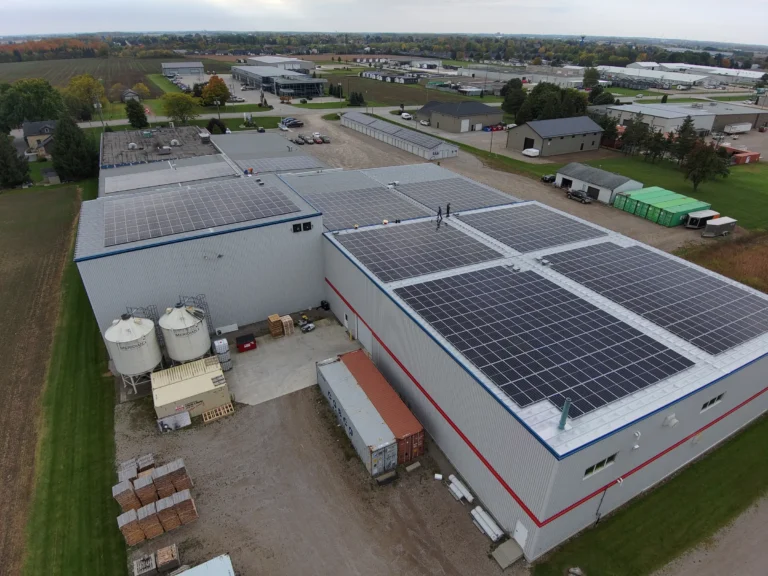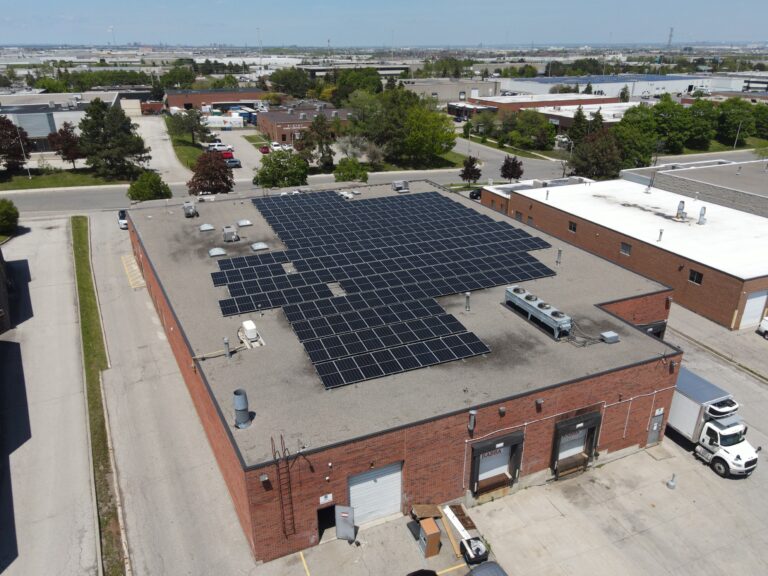
Comprehensive Recommissioning Audit for an 868,122 sq. Ft. Fulfillment Facility in Ontario
A facility-wide assessment identifying operational improvements, energy conservation measures, and future on-site generation opportunities.
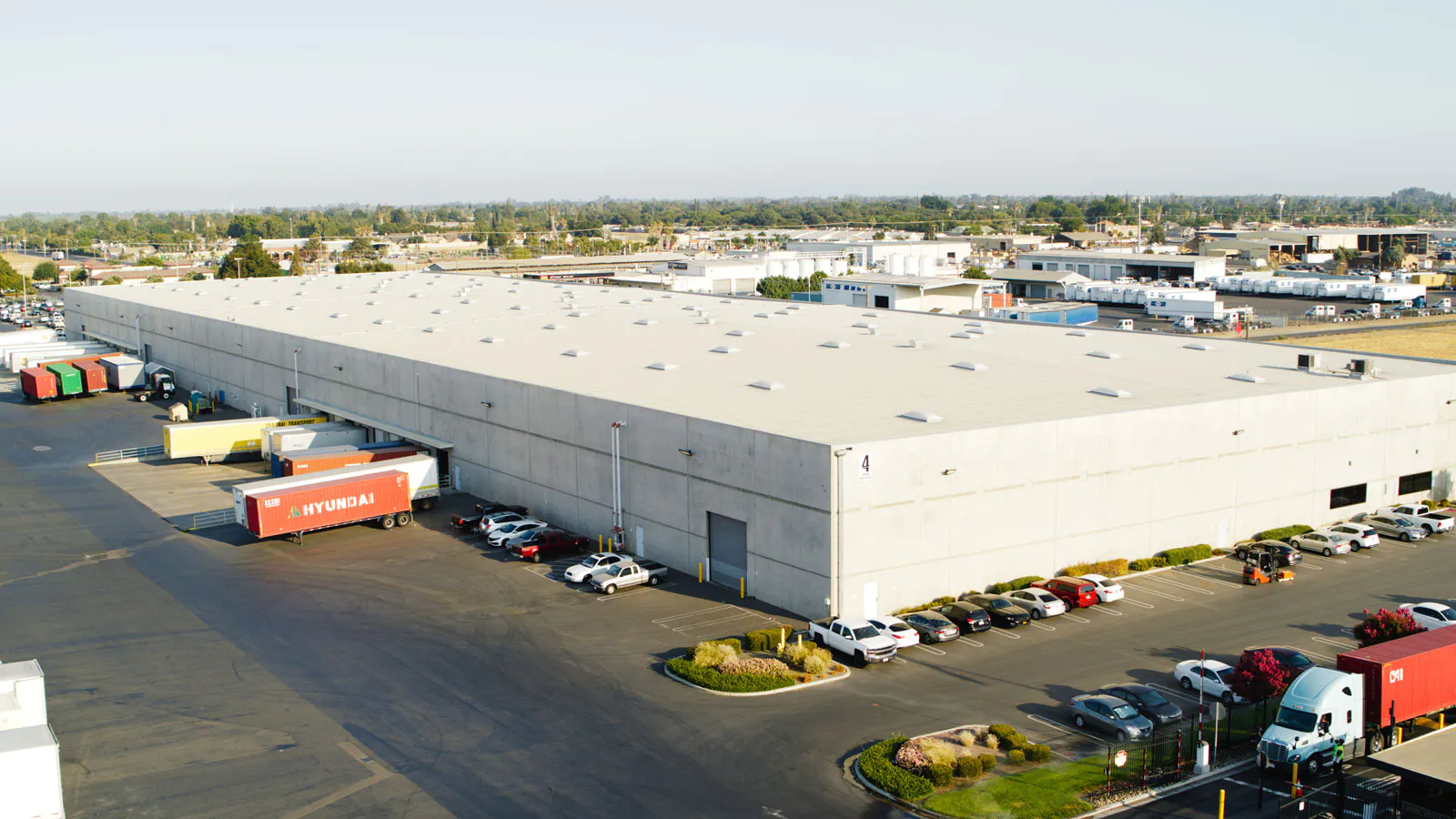
High utility spend. Complex operations. Limited visibility into building performance.
Large fulfillment facilities operate around the clock and depend on HVAC systems, ventilation equipment, building automation systems, and process loads to maintain reliable operations. Small control issues and operational inefficiencies can translate into significant energy costs when multiplied across hundreds of thousands of square feet.
For this facility, electricity represented approximately 97% of annual utility spend. The client required a detailed assessment to understand where energy was being consumed, identify operational deficiencies, and prioritize opportunities that could improve efficiency while supporting long-term emissions reduction objectives.
A recommissioning audit built around real operating conditions.
Green Integrations and Star Energy Solutions completed a comprehensive recommissioning audit that combined utility analysis, site investigations, operator interviews, functional testing, BAS review, and distributed energy evaluation.
The assessment focused on identifying operational improvements, HVAC optimization opportunities, recommissioning measures, and future solar generation opportunities. Each recommendation was evaluated based on energy impact, implementation cost, operational considerations, and expected return.
The final report delivered a prioritized roadmap designed to help facility stakeholders make informed capital planning and energy management decisions.
The numbers, then the consequence.
- 01$39,894 annual savings opportunity identified through economizer recommissioning.
- 02$30,321 annual savings opportunity identified through RTU supply fan VFD optimization.
- 03$25,990 annual savings opportunity identified through loading bay air curtain improvements.
- 04$8,050 annual utility savings opportunity identified through power factor correction.
- 05$227,406 annual savings potential identified through solar PV deployment.
For facilities, engineering, and operations teams.
The audit included detailed analysis of rooftop HVAC units, economizers, ventilation systems, BAS controls, loading dock operations, power factor performance, and utility billing structures.
Functional testing identified opportunities related to economizer operation, supply fan control, BAS optimization, loading bay heating losses, and system scheduling. Additional analysis evaluated distributed energy resources including rooftop solar PV and future emissions reduction pathways.
Recommendations were developed using site-specific operational data and were prioritized according to savings potential, implementation complexity, and long-term facility objectives.
Facility characteristics that shaped the recommendations.
- Large fulfillment facility with continuous operational requirements
- Electricity represents the majority of annual utility spend
- Multiple rooftop HVAC systems serving warehouse operations
- Building automation system controlling critical facility functions
- Loading bay operations contribute to heating and ventilation loads
- Suitable load profile for future solar PV deployment
What the audit delivered.
Questions This Project Helps Answer
Every facility has unique operational requirements, infrastructure constraints, and business objectives. These questions highlight some of the considerations, decisions, and lessons that emerged from this project and may help other organizations evaluating similar opportunities.
- Recommissioning studies often identify operational improvements in HVAC scheduling, economizer operation, ventilation control, sensor calibration, BAS programming, loading bay operation, demand management, and other building systems. The focus is usually on improving how existing systems operate, rather than assuming that major equipment replacement is the first step.
- Large facilities change over time. Operating schedules shift, spaces are repurposed, sensors drift, equipment ages, controls are adjusted, and temporary overrides can become permanent. These changes can cause building systems to consume more electricity than required. Recommissioning helps compare actual operation against current facility needs and identify where performance can be restored or improved.
- Large facilities should treat energy performance as an ongoing operational discipline, not a one-time commissioning event. Utility data, BAS review, site investigation, and operator input can reveal savings opportunities that are not visible from bills alone. Recommissioning provides a practical roadmap for prioritizing improvements based on savings, cost, operational impact, and implementation complexity.
Audit Findings Snapshot
Review of BAS sequences, HVAC scheduling, and equipment operation identified immediate efficiency opportunities.
Functional testing identified economizer issues limiting free cooling opportunities.
Assessment identified opportunities to reduce unnecessary heating and ventilation energy consumption.
Control system improvements were recommended to improve visibility, diagnostics, and ongoing performance.
Facility load characteristics support future behind-the-meter solar generation opportunities.
Measures were prioritized to support phased implementation and long-term capital planning.
Related Questions
Looking for more information? Explore related questions from our Knowledge Centre covering project planning, technology considerations, incentives, and operational best practices.
Before investing in equipment upgrades, understand where energy is being consumed, where systems are underperforming, and where the greatest savings opportunities exist. A comprehensive energy audit provides the data needed to prioritize projects, support capital planning, and prepare for future emissions requirements.
- ·Utility cost and consumption analysis
- ·Facility walkthrough and system assessment
- ·HVAC and controls evaluation
- ·Energy conservation measure identification
- ·Solar and DER opportunity screening
- ·GHG footprint and compliance readiness review