Community & PartnersSolar Calculator
Green Integrations
Start your assessment
FULL-BUILDING ENERGY STRATEGY/30-year operating life/Tax incentive + rebate stack

Commercial rooftop solar panel installation, planned around your facility.

Solar and efficiency · Planned together

Commercial solar panel installation starts with how your facility uses energy. We assess consumption, where costs can be reduced and how solar fits into the broader energy strategy, from incentives and system sizing through long-term operation.

Commercial rooftop solar array with Solis inverter on a Canadian C&I facility
Why commercial solar

Commercial solar is long-term cost control- not just electricity.

Commercial solar lowers operating costs, improves property economics, captures available incentives, and stabilizes long-term electricity pricing. Integrated with energy audits, efficiency measures, and battery storage, it helps facilities build a more resilient and cost-effective energy strategy while reducing Scope 2 emissions.

30-Year LCOE
Operating margin

Generate electricity at a predictable long-term cost.

Commercial rooftop solar can deliver levelized electricity costs as low as $0.04/kWh over the life of the system — compared to commercial utility rates that can exceed $0.20/kWh all-in.

Increase NOI
Incentive stack

Turn utility spend into property value.

Every dollar not paid to the utility improves Net Operating Income and increases asset value — converting a recurring expense into a long-term operating asset.

Up to 75% Funded
INCENTIVES & TAX CREDITS

Reduce project costs with available funding.

Commercial solar projects may qualify for utility incentives, tax credits, and accelerated depreciation programs that can significantly reduce upfront capital requirements and improve project economics. Many projects can recover a substantial portion of costs through available funding programs.

Scope 2 Reduction
Inflation hedge

Lower building emissions with on-site generation.

Commercial solar directly reduces Scope 2 emissions while supporting ESG reporting, procurement requirements, and long-term decarbonization targets.

Unlock the value on your rooftop

Green Integrations assesses, designs, engineers, installs, and operates commercial rooftop solar systems for commercial and industrial facilities across Canada.

Proof in numbers

Pay it back in 4.6 to 7.6 years. Run it for thirty.

The economics of a commercial rooftop system, visualized at full scale. Real returns from completed GI installations.

Year 0Yr 5Yr 10Yr 15Yr 20Yr 25Year 30
Payback
4.6–7.6yrs
System pays for itself through generation and incentives.
LONG-TERM GENERATION
30year performance warranty
Commercial-grade panels generating into year thirty, with more than two decades of electricity after payback.
Average annual electricity · C&I facility
70%generated on-site
SOLAR · 70
GRID · 30
Project IRR · completed installations
15–30%
0%10%20%30%40%
Proof in numbers

Pay it back in 4.6 to 7.6 years. Run it for thirty.

The economics of a commercial rooftop system, visualized at full scale. Real returns from completed GI installations.

Year 0Yr 5Yr 10Yr 15Yr 20Yr 25Year 30
Payback
4.6–7.6yrs
System pays for itself through generation and incentives.
Net generation · under warranty
30year performance warranty
Commercial-grade panels generating into year thirty, with more than two decades of electricity after payback.
Average annual electricity · C&I facility
70%generated on-site
SOLAR · 70
GRID · 30
Project IRR · completed installations
15–30%
0%10%20%30%40%
Proof in numbers

Pay it back in 4.6 to 7.6 years.
Run it for thirty.

Commercial rooftop solar economics, shown with real results from completed GI installations.

30-year lifecycleYr 0 → 30
Yr 0Yr 4.6–7.6Yr 30
Payback
4.6–7.6yrs

System pays for itself through generation and incentives.

Net generation · under warranty
30year performance warranty

Commercial-grade panels generating into year thirty, with more than two decades of electricity after payback.

What it returns
Average annual electricity · C&I facility
70%
generated on-site
Project IRR · completed installations
15–30%
across completed installations
0%20%40%
Featured project · Completed 2024

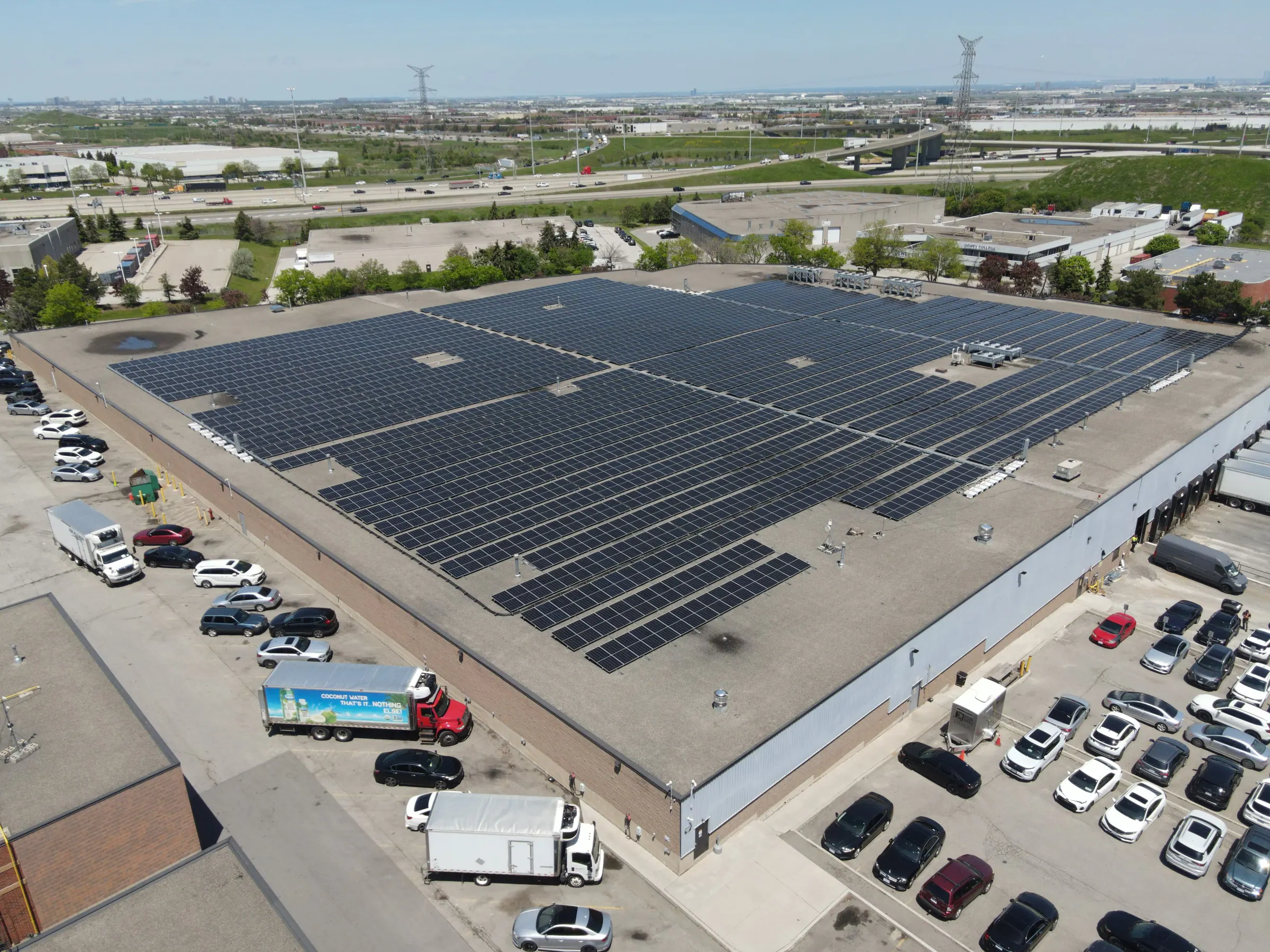
Rabba Fine Foods. 1.27 MW rooftop solar.

Food refrigeration and distribution facility, Mississauga, Ontario. 

Aerial view of 1.27 MW rooftop solar installation at Rabba Fine Foods, Mississauga
5876 COOPERS AVE · MISSISSAUGA, ON · Net-metering project
Net-metering project
1,270 kWDC system size
1.41M kWhAnnual generation
67.2%Solar offset
30%Refundable Investment Tax Credit
100%First-year tax deduction · 100% Accelerated Investment Incentive
Aug 2024Commercial operation
How it was delivered
Assessment

Utility analysis and load profiling established the facility’s consumption pattern and confirmed the capacity available for grid interconnection.

Design

2,374 CSI Solar panels (535W each) designed across the rooftop. System capacity matched to electricity profile and interconnection constraints.

Installation

Rooftop installation with TerraGen racking. Fronius USA Symo 24kW inverters. Full ESA inspection and utility interconnection sign-off.

Outcome

1,412,187 kWh generated annually. 67.2% of the facility’s electricity supplied by the rooftop system.

View full project breakdown →
Connecting to the grid in OntarioDecided at assessment

Net metering or load displacement for Ontario facilities

Load displacement is the other way to connect. The choice sets how the system is sized, how its output is valued and which incentives apply, so it is made in the assessment, before design starts.

Commercial solar in Ontario: costs, incentives and payback
99.6%Ce De Candy · NewmarketPlant electricity offset under Ontario’s net metering program
1.27 MWRabba Fine Foods · MississaugaThe system featured above is net-metered too
Compare
Net metering
Load displacement
Surplus solar
Net meteringExported to the grid and credited on your bill
Load displacementNot exported: all output is used on site, and export to the grid is not allowed
How the credit is valued
Net meteringAt the rates you pay for consumption; demand (kW) and fixed charges get no credit
Load displacementNo credit: each kWh used on site replaces a kWh bought from the grid
Unused credit
Net meteringCarries forward for up to 12 months, then resets to $0; never paid out
Load displacementNot applicable
System size
Net meteringGeneration must be primarily for the facility’s own use; the regulation sets no kW cap, and the local utility’s connection capacity sets the practical limit
Load displacementNo larger than the facility’s maximum load to qualify for Save on Energy
Save on Energy Retrofit incentive
Net meteringNot eligible
Load displacement$770per kW ACFor systems over 10 kW AC (smaller systems: $1,000 per kW DC), up to 1 MW AC ($770,000) and 50% of eligible project costs

12 kW+Either way, systems above 12 kW go through the local utility’s connection impact assessment.

Which facilities suit which
01Net metering

Facilities that suit net metering

Net metering suits an array sized close to the facility’s annual consumption. An array that size can produce more than the building uses at some hours, such as weekends or shutdowns, and that surplus becomes a bill credit against later consumption.

  • Since July 1, 2022, a net-metered system can also be leased, financed or supplied under a power purchase agreement.
02Load displacement

Facilities that suit load displacement

Load displacement suits an array sized within the facility’s load, so the building uses what it produces on site. To qualify for the Save on Energy Retrofit incentive:

  • The application is submitted before any binding commitment to the project
  • Panels are mounted on a building rooftop
  • The project is finished within 24 months of pre-approval
03Class A

Class A Global Adjustment and peak hours

Class A facilities pay Global Adjustment on their share of Ontario’s grid demand in the five system-wide peak hours of each May-to-April base period, and a facility that exports more than it draws over that period does not qualify for Class A. For them, the system is planned around what it delivers in those hours, and battery storage can be planned with the array.

  • Open to facilities with an average monthly peak above 1 MW
  • Manufacturers and greenhouses above 500 kW
Electricity Analysis

Assess

Review utility bills, interval consumption data, rate structures, and planned facility changes to establish a reliable electricity baseline and solar opportunity.

01
Technical Proposal

Design

Develop the preliminary system layout, production estimate, incentives, payback, IRR, and long-term cash flow to confirm the business case.

02
Site Visit

Verify

Visit the facility to confirm roof, electrical, access, construction, and interconnection assumptions before advancing to engineering.

03
The process

Commercial solar installation in six stages.
One team.

From electricity analysis through long-term operation, every phase delivers a defined output.

04
Engineering & Regulatory

Approve

Complete structural, electrical, permitting, utility, and regulatory deliverables to move the project from concept to build-ready.

05
Construction

Build

Install the system according to the approved design, coordinate inspections, and complete commissioning for commercial operation.

06
Operations & Maintenance

Operate

Monitor performance, complete preventative maintenance, support service needs, and provide reporting to protect long-term system value.

Start your assessment →
Industries we serve

Sector-specific energy strategy.

Load profile, operating schedule, and utility structure shape project economics. We design systems around the operational realities of each facility.

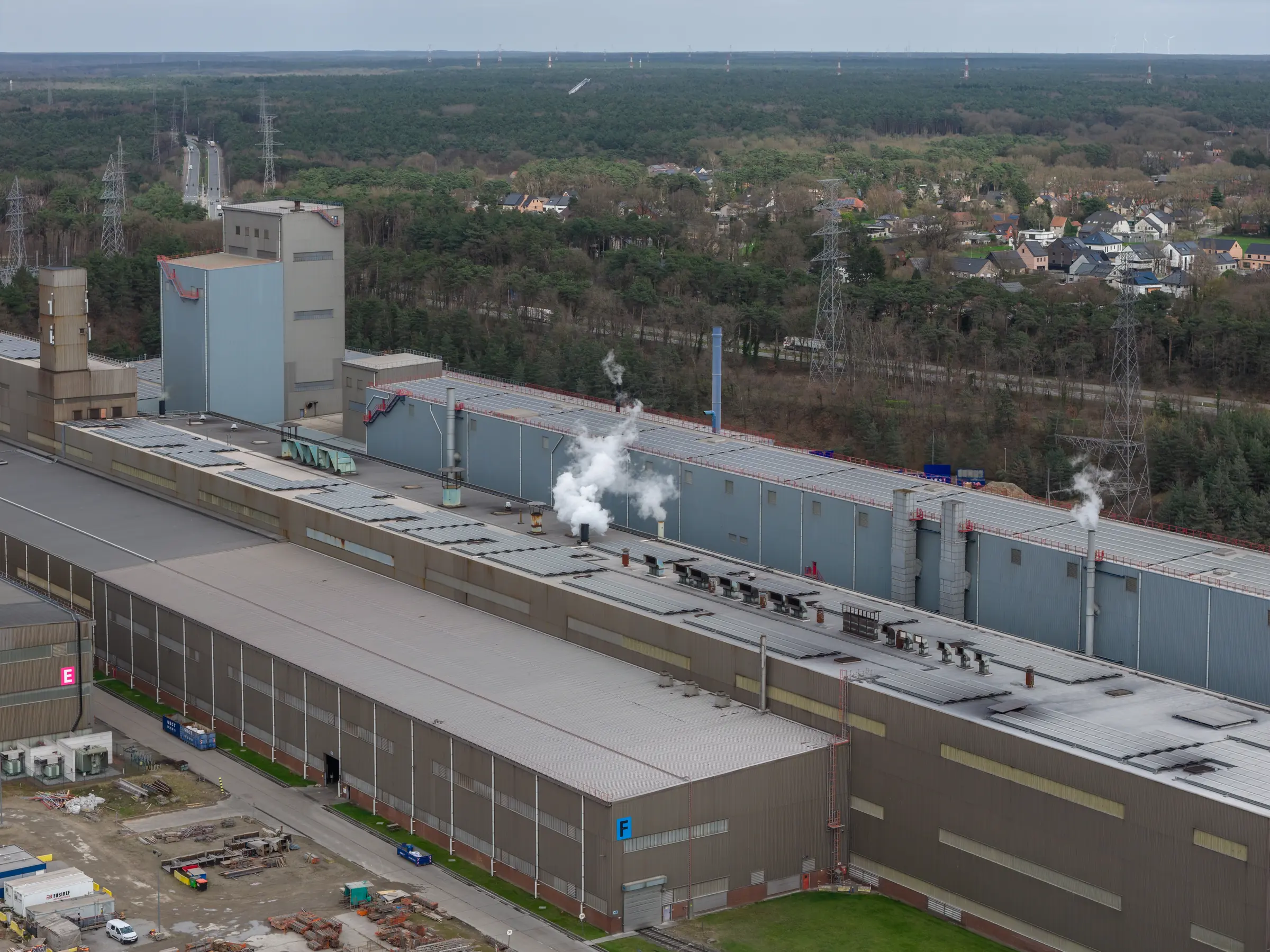
Manufacturing facility exploring commercial solar energy and energy efficiency solutions in CanadaContinuous load

Manufacturing

Electricity is one of the largest controllable costs in continuous manufacturing. We work with Ontario operators to reduce consumption, size generation around actual facility demand, and build the infrastructure for long-term cost stability.

Explore industry→
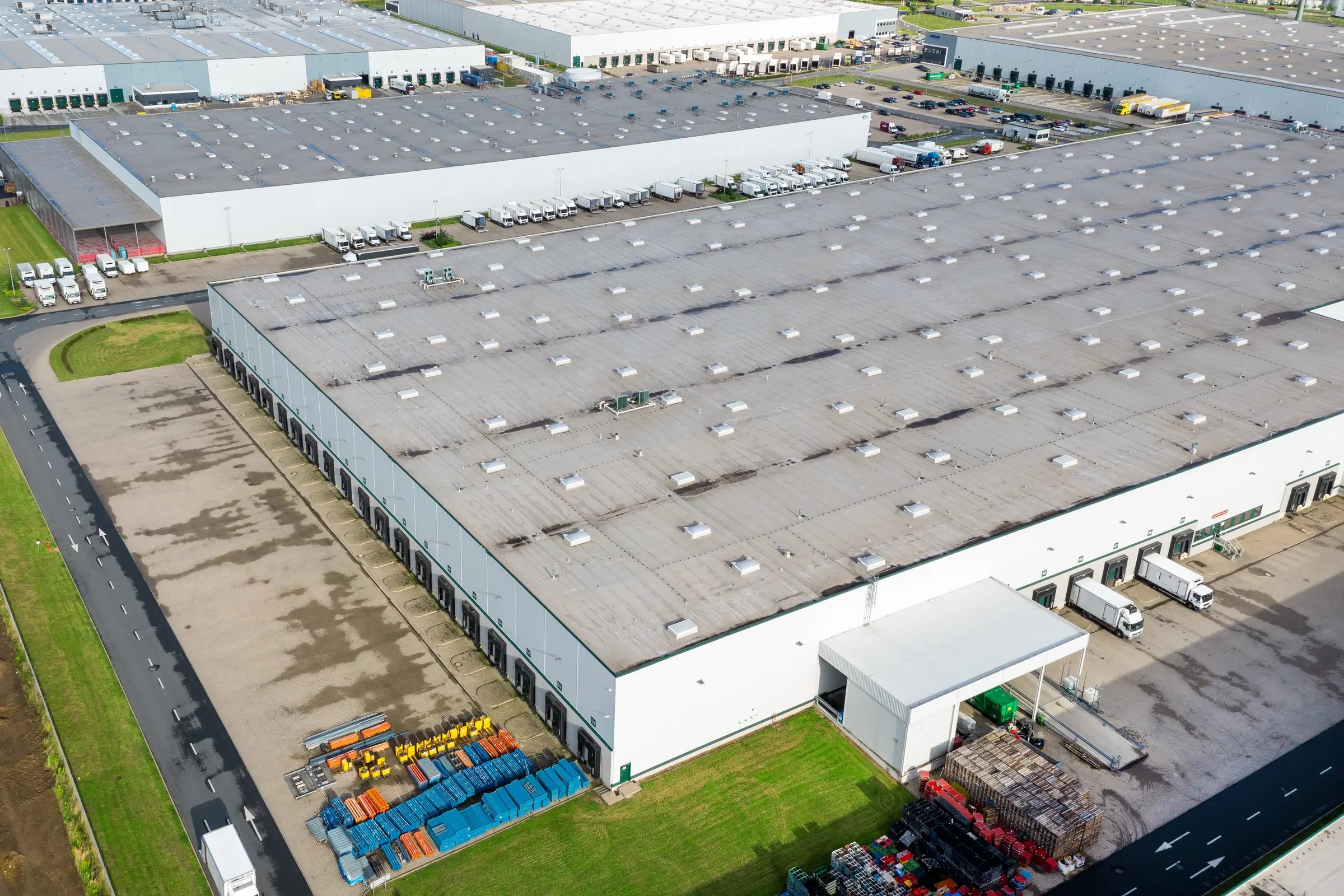
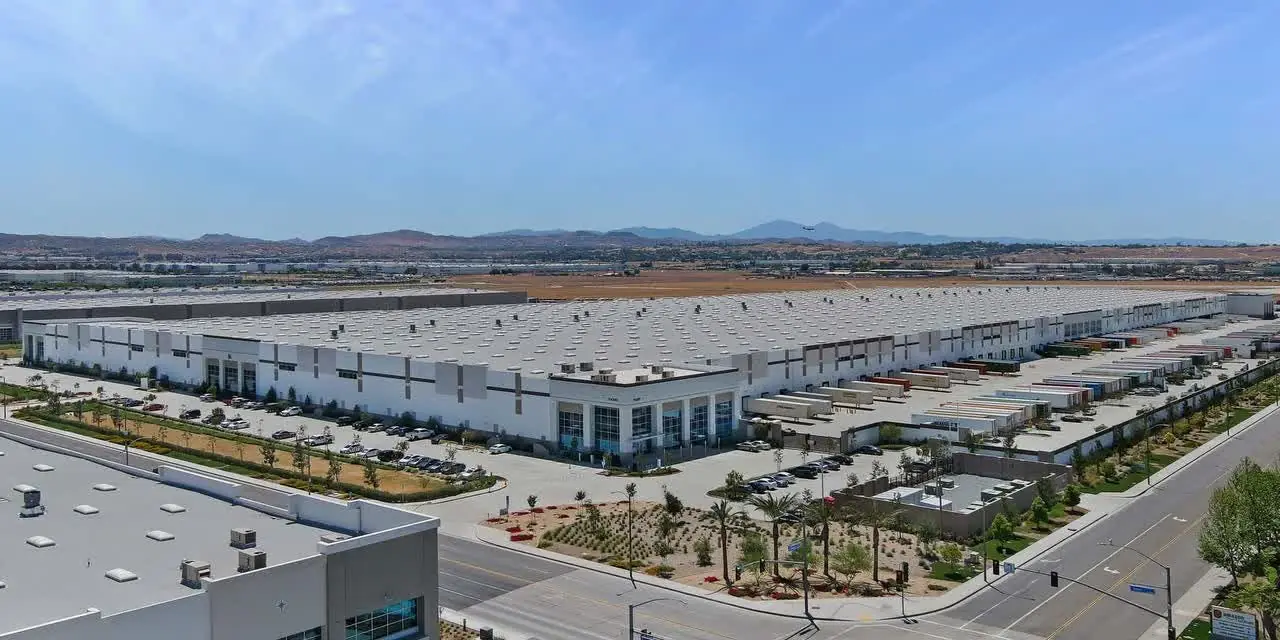
Large warehousing and logistics facility evaluating commercial solar and energy management solutionsDaytime peak

Warehousing & Logistics

Distribution centres, fulfilment facilities, and intermodal terminals operate around the clock with rising electricity demand. We plan and deliver energy programs around facility scale, demand-charge exposure, fleet electrification, and the cost of operational continuity.

Explore industry→
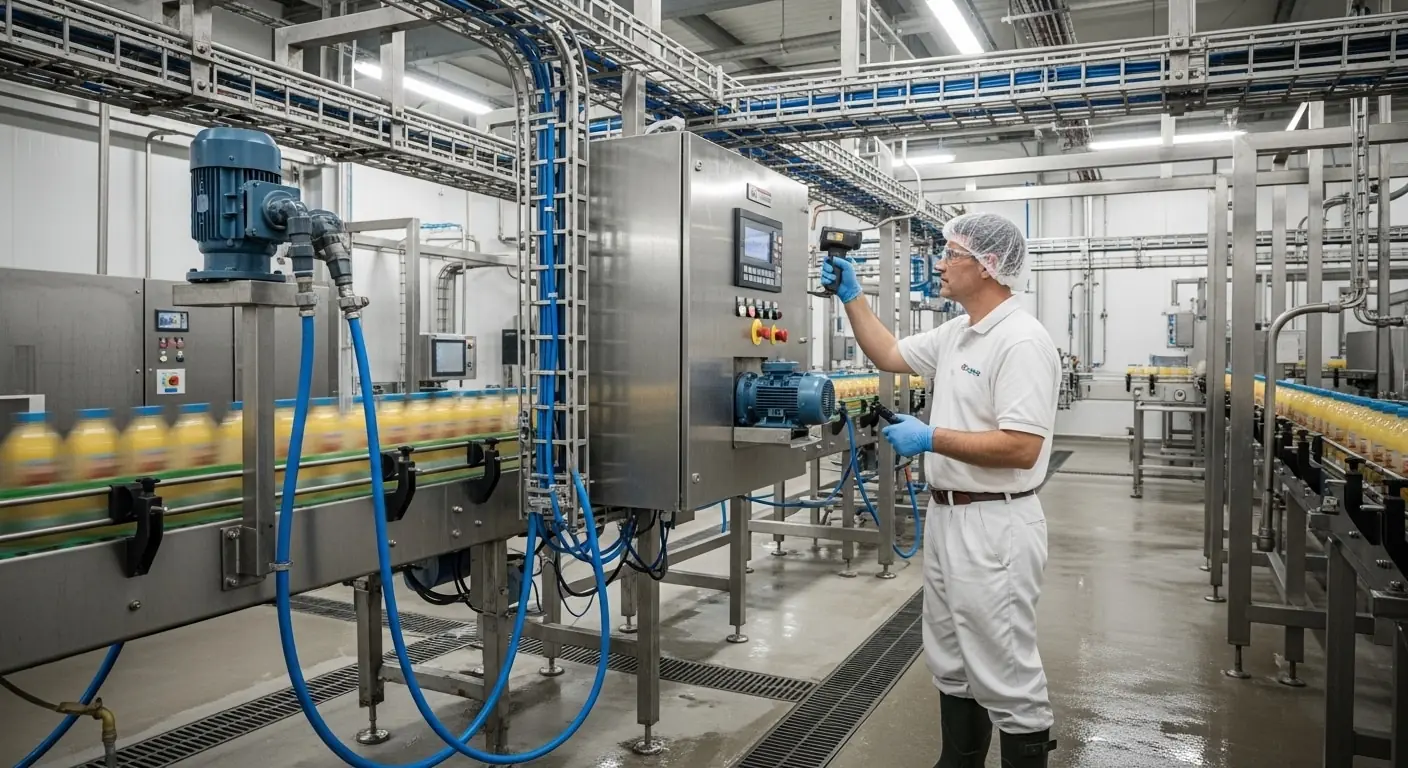
Food and beverage manufacturing facility implementing energy efficiency and solar solutions24/7 operation

Food & Beverage

Food and beverage facilities operate around refrigeration loads, sanitation schedules, HACCP requirements, and continuous production demands. We plan and implement energy programs around those operational constraints.

Explore industry→
Agricultural operation evaluating solar energy and energy efficiency opportunities for farm facilitiesSeasonal · REAP

Agriculture

We work with Ontario farm operators and agricultural businesses to reduce operating costs through solar, storage, LED lighting, and electrical upgrades — planned around drying, irrigation, ventilation, and the broader agricultural year.

Explore industry→
Commercial real estate property utilizing energy management and sustainability solutionsNOI · BEPS

REITs

We work with Canadian commercial real estate owners, asset managers, and finance teams to reduce operating costs through solar, storage, LED lighting, recommissioning, and electrical upgrades — planned around NOI, BEPS compliance, and long-term asset value.

Explore industry→
Government and institutional buildings pursuing energy efficiency and renewable energy initiativesBEPS · Procurement

Government & Institutional

Municipal, social housing, and institutional energy projects operate on longer decision timelines and have additional procurement requirements. We plan and deliver energy programs around BEPS compliance, net-zero commitments, and public procurement frameworks.

Explore industry→

Not sure where your facility fits? That's usually the right place to start a conversation.A 20-minute call is enough to map your load profile against the right scope of work.

By province

Commercial solar by province.

Incentives, utility rules and payback differ from province to province. See commercial solar in Ontario.

Long-term partnerships

Built on long-term performance.

End-to-end delivery, strong financial outcomes, and partnerships that extend beyond commissioning.

Client testimonial

“Handled professionally from start to finish.”

We had a very positive experience working with Green Integrations on our solar project. The team communicated well, coordinated the installation around our operations, and handled the project professionally from start to finish. We’re pleased with the completed system and the way the project was managed.

Gerry Vermeer, President
Vermeer’s Greenhouses
Greenhouse grower · ON
Long-term partnerships

Built on long-term performance.

End-to-end delivery, strong financial outcomes, and partnerships that extend beyond commissioning.

Related solutions

Often planned alongside commercial solar.

Each integrates with the same assessment, financial model, and operating relationship.

Establish the baseline before sizing the system — efficiency gains often improve solar economics.

Explore →

Capture excess generation and reduce peak demand charges on the same interconnection.

Explore →

Pair commercial fleet and customer charging with on-site solar generation.

Explore →

Convert gas-fired heating and process loads to electricity to maximize solar offset.

Explore →
Questions from CFOs and facility managers

Commercial solar FAQs.

The questions decision-makers ask — answered with data from completed Ontario projects.

On completed Green Integrations projects, payback typically falls in the 4.6–7.6 year range with a project IRR of 15–30%. The range varies by facility. Electricity consumption profile, available roof area, tariff structure, and access to provincial and federal incentive programs all affect the final figure. Facilities with high daytime loads and access to Ontario Save on Energy or the federal Clean Technology Investment Tax Credit tend to land toward the lower end of the range. A project-specific financial model — built from your utility data — is the only way to know where your project falls.

Installed commercial rooftop solar in Ontario typically ranges from $1.50 to $2.50/W DC for systems above 100 kW DC. Total project cost depends on roof type and condition, interconnection requirements, and complexity of the installation. Our guide to what commercial solar panels cost in Canada breaks the price down by system size. An assessment gives you a project-specific figure rather than a per-watt estimate. For a first estimate, the commercial solar calculator shows how much of your electricity use solar can offset and what it saves.

For projects where the goal is to offset a large portion of annual electricity consumption, it makes sense to look at efficiency and generation as part of the same plan. If a facility has meaningful lighting, HVAC, or controls inefficiencies, addressing those can reduce the consumption baseline. A solar system sized to a lower, optimized baseline tends to be a better fit for the building and produces stronger overall returns. This approach makes the most sense on projects where full or near-full electricity offset is achievable. Not every project warrants it — but when it does, having both under one roof simplifies the process significantly.

Commercial solar projects can stack funding from three streams: Federal — Clean Technology Investment Tax Credit: refundable tax credit of up to 30% applied to eligible solar, battery storage, and electrification capital costs. Provincial — Save on Energy Retrofit incentive for solar load displacement: $770 per kW AC, up to $770K, for systems whose output is used on site. Federal — Enhanced First Year Capital Cost Allowance: 100% CCA accelerated depreciation on eligible clean energy investments in the first year. The programs a project qualifies for are identified and built into the project financial model as part of the assessment process.

Ontario commercial solar systems are designed for year-round performance, including winter. Cold temperatures can improve panel efficiency — the main variable in winter is available sunlight, not temperature. Production estimates are based on historical weather data for the specific project location, which accounts for seasonal variation in irradiance across Ontario, Alberta, and Nova Scotia.

Large flat industrial roofs are well suited for commercial solar. Ballasted or mechanically-attached racking systems work with most flat membrane roofs without penetration. Roof structural capacity, membrane condition, and remaining warranty life are assessed as part of the project scope. We have installed on BUR, TPO, Mod-Bit, Tar & Gravel, and metal deck roofs across Ontario, Alberta, and Nova Scotia.

Commercial solar systems in Ontario connect to the grid through the facility’s existing electrical service, with approval from the local distribution company. The process includes utility pre-application, engineering review, permit submission, ESA inspection, and utility sign-off. The interconnection process typically runs 8–16 weeks from application to approval, in parallel with construction. We manage the full process including coordination with IESO and the local distribution company.

On site, installation takes from a few days for smaller systems to several weeks for larger or more complex ones. The full project also covers engineering, permitting, utility approval and equipment procurement, and larger systems need longer engineering and permitting. Weather and roof access can affect the construction schedule. Commissioning follows the inspections and the utility’s permission to operate.

System size depends on the facility’s electricity consumption, available roof area, grid interconnection capacity, and whether efficiency improvements are planned. For facilities targeting full or near-full electricity offset, understanding the building’s actual consumption profile before finalizing system size tends to produce better results. Completed installations range from 13.7 kW on a small food processing facility to 1,270 kW on a food refrigeration and distribution facility in Mississauga.

Start your assessment

Understand your facility's energy economics.

Get a utility bill analysis and financial model at no cost. Understand savings, incentives, and system sizing before making a decision.

No commitment required.