Where Does Energy Fit Into Your Capital Planning?
July 27, 2026Read
An engaging look at three emerging solar energy innovations, how they’re set to transform efficiency and adoption, and why they matter for the future of clean power.
It wasn’t long ago that solar energy was limited to research labs and seemingly optimistic prototypes. And now, just a few decades later, solar is the world’s cheapest and most sustainable energy source. Although the industry has come leaps and bounds from where it started, the fundamental design of the solar modules have remained largely the same with the exception of some variations such as bifacial panels and cell cut out modules.
That said, in recent years, solar technology innovations have been breaking the industry’s stereotypical image, introducing new products that make solar more versatile and commercially accessible. Developers have been able to combine the power generation ability of solar cells with everyday objects to make solar more versatile and everyday objects more useful. These innovations are changing the landscape for the solar industry and are sure to inspire continued innovation for years to come.
Let us have a look at some interesting and new solar products on the market today:
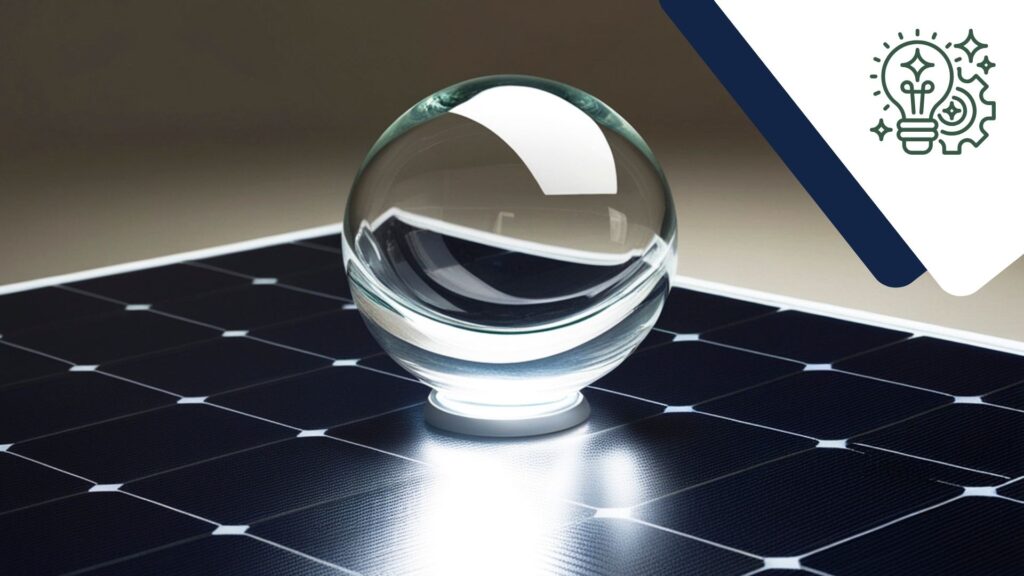
While traditional solar panels have a full set of components such as cells, glass, frames, sheets, etc. solar glass embeds solar cells directly into glass while getting rid of all other components which do not have a direct role in energy generation. Solar glass is a sleek solar power generating unit that can be translucent/transparent and directly installed on the sides of buildings.

Solar glass also maximizes space utilization by not just being limited to the roofs. This is particularly useful in urban settings and can complement a commercial rooftop solar system by maximizing available surface area. Manufacturers have also succeeded in combining aesthetics by developing PV glasses in various colors.
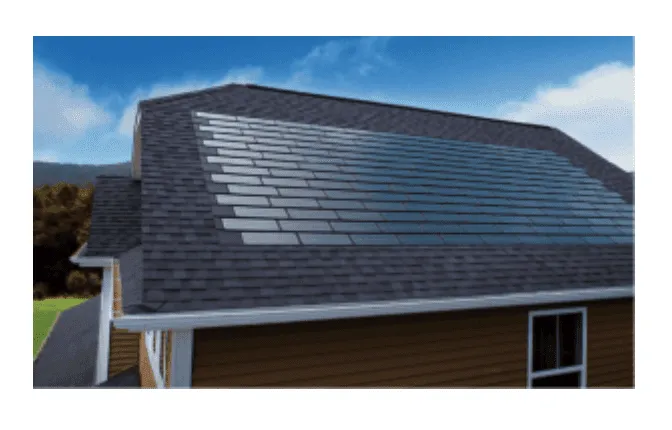
Previously, existing solar panels when installed on the roof, needed mounting structures and took up space which could not be utilized for anything else. Additionally, the owner has to incur costs for both – roof as well as the solar plant. Solar roofs combine roofing units with solar cells to become multi-purpose. Solar roofs can be flat tiles with embedded solar cells or shingles. Robust and durable solar roofs not only save roof costs during installation but can also save on roof upgrade costs while ultimately reducing expenditure on electricity. For facilities exploring conventional rooftop solar, see how commercial solar systems are sized and installed because these solar technology innovations are already influencing how commercial facilities approach rooftop energy generation.
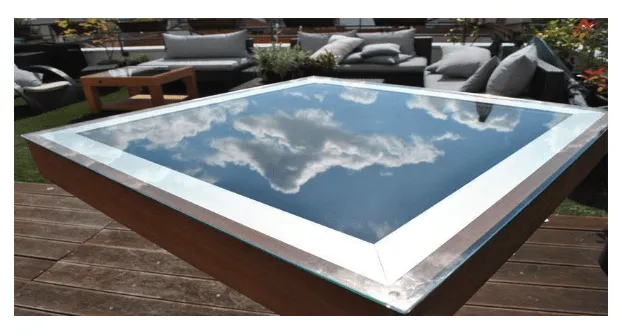
Using electronics on your patio or lawn has always been a challenge, with a lack of charging points. With more and more people working from homes in today’s world, having furniture that has embedded solar panels helps turn the outside into a workspace or a hangout place where you don’t need to worry about your phones or tablets running out of power.