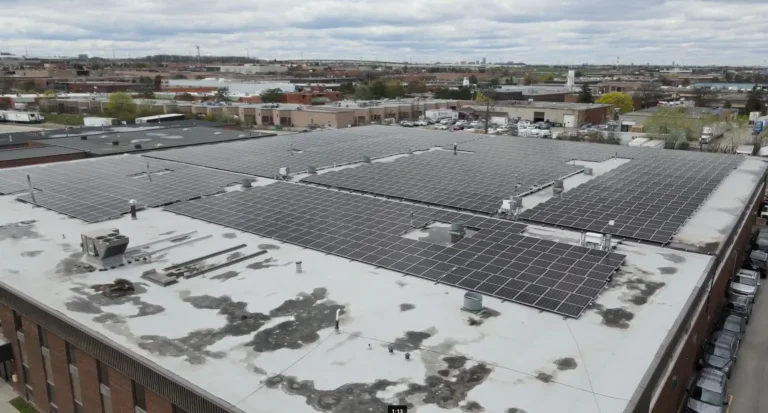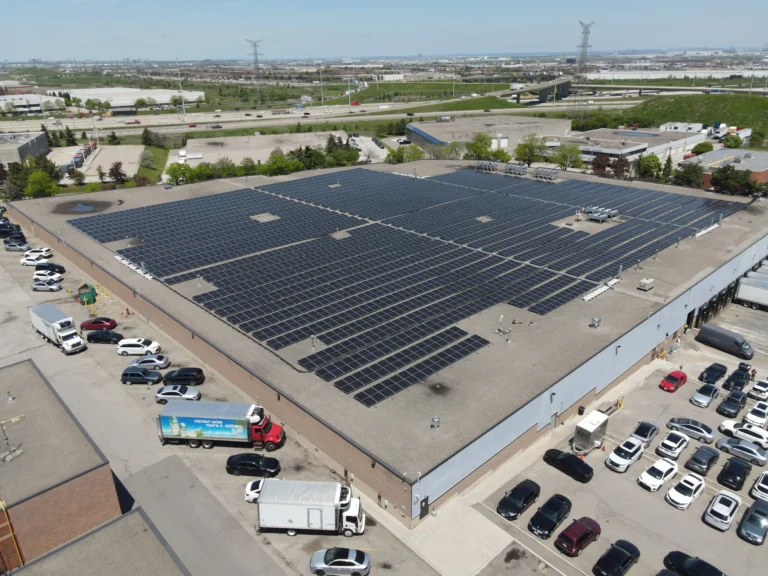

LED lighting retrofit reducing energy consumption by 66.2% at a food manufacturing facility in Ancaster
A full LED retrofit reducing both energy consumption and peak demand across an active food manufacturing facility.
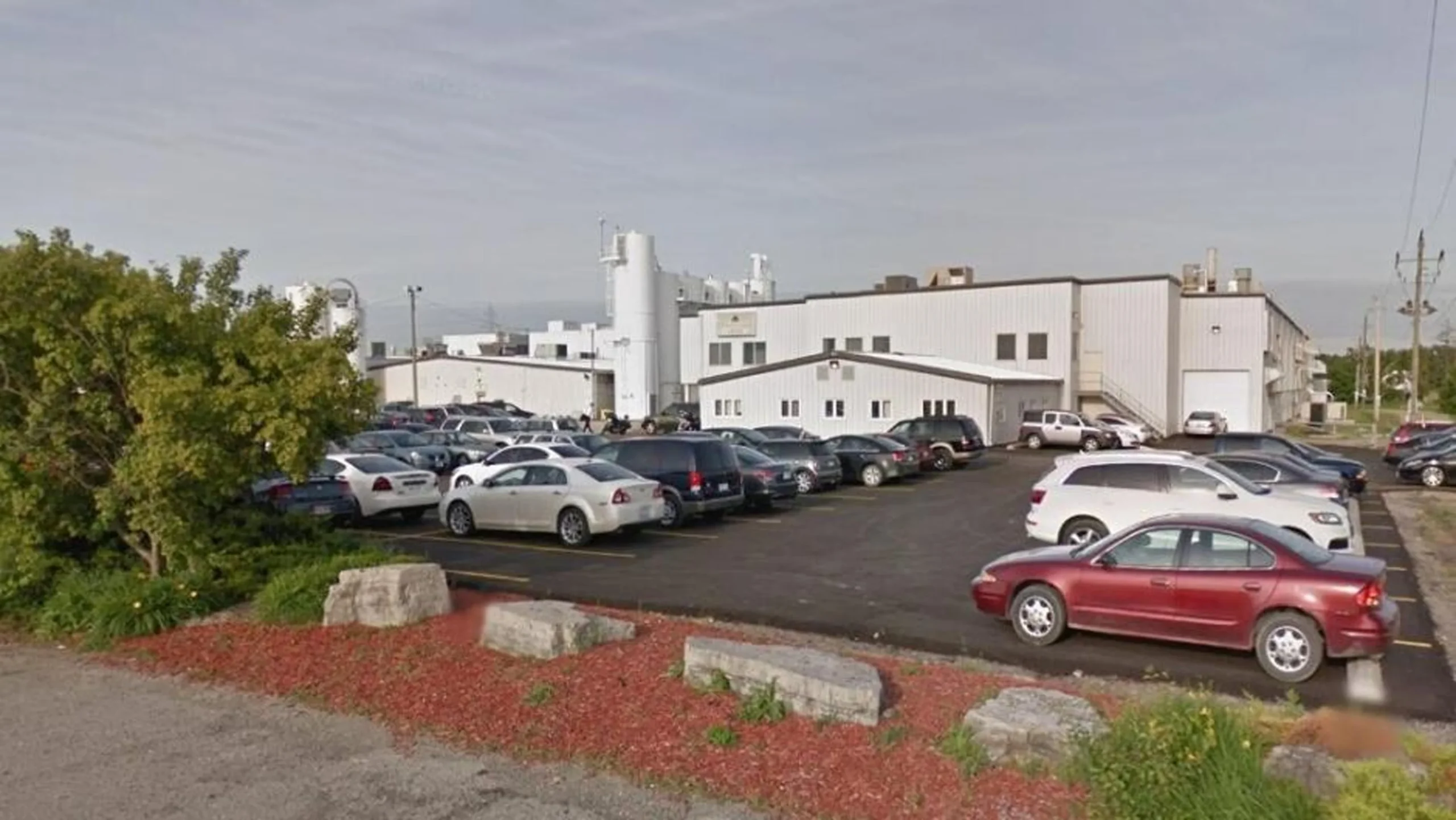
Three legacy lighting generations failing in a cold-chain environment they were never specified for.
Prior to the retrofit, the facility relied on legacy lighting systems that contributed to high electricity consumption, elevated peak demand, and ongoing maintenance requirements. In a food manufacturing environment, consistent lighting quality and system reliability were critical operational requirements.
Lighting presented a clear opportunity to reduce electrical load while modernizing facility infrastructure — without disrupting food production operations or compromising food safety standards.
One sealed cold-rated fixture family across every zone, paired with zone-level occupancy logic.
Green Integrations upgraded the facility by replacing the existing lighting system with high-efficiency LED fixtures designed for food manufacturing applications.
The retrofit focused on reducing overall lighting energy consumption, lowering system demand, and improving lighting consistency across production and support areas. The upgraded lighting system was designed to perform reliably in a demanding operating environment while reducing long-term maintenance needs.
This project qualified for incentives under the Save on Energy program. The incentive was calculated based on verified reductions in energy use and electrical demand achieved through the retrofit.
The numbers, then the consequence.
- 01667,319 kWh in annual energy savings — a 66.2% reduction in lighting electricity consumption.
- 0276.18 kW reduction in system demand — from 115.15 kW to 38.97 kW.
- 03Project qualified for Save on Energy incentives, reducing net project cost.
Equivalent to removing 9 passenger vehicles from Ontario roads annually.
For the facilities and engineering audience.
The retrofit replaced legacy high-intensity discharge and fluorescent lighting with high-efficiency LED fixtures throughout the facility. System demand was reduced from 115.15 kW to 38.97 kW — a reduction of 76.18 kW.
Green Integrations managed the incentive documentation and submission process under the Save on Energy program as part of the project scope.
Facility characteristics that shaped the design.
- Food manufacturing facility with food safety-critical lighting requirements
- Existing legacy lighting contributing to high electricity consumption and peak demand
- Production environment requiring zero disruption during installation
- Facility infrastructure suitable for full LED upgrade across all areas
What was installed.
Related Questions
Looking for more information? Explore related questions from our Knowledge Centre covering project planning, technology considerations, incentives, and operational best practices.
Considering a lighting upgrade for your facility? A well-executed LED retrofit is one of the most consistent ways to reduce electrical demand and modernise building infrastructure.
- ·Site photometric audit
- ·Energy & demand baseline
- ·Fixture and control specification
- ·SaveON / IESO incentive stack
- ·Phased installation plan