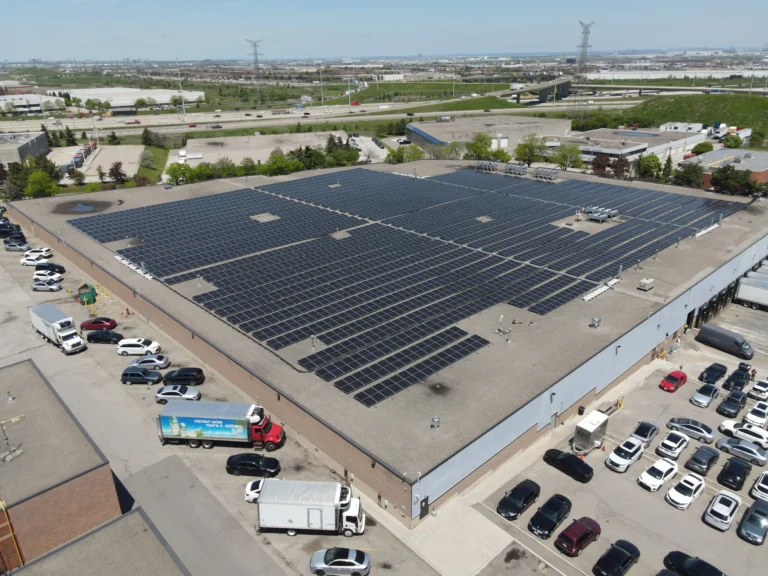

13.7 kW rooftop solar within single-phase service constraints at a meat processing facility in Hanover
Practical on-site generation delivered within single-phase interconnection limits and a constrained rooftop.
A high daytime load against a roof asset approaching the end of its replacement cycle.
Small meat processing facilities often operate with a combination of physical and electrical constraints that limit how much on-site generation can be deployed. Electricity demand is driven by refrigeration, processing equipment, and food safety systems, but system design must account for both available installation space and electrical service capacity.
At Bentinck Packers Ltd., the facility operates on a single-phase electrical service, which limited the maximum allowable solar interconnection capacity. In addition, the available rooftop area was relatively small, further constraining system size.
A ground-mounted solar system was evaluated during early design stages, but this option was not feasible given the facility’s single-phase electrical service and interconnection limitations. The challenge was to design a system that could operate safely and reliably within these combined constraints, without overstating achievable impact.
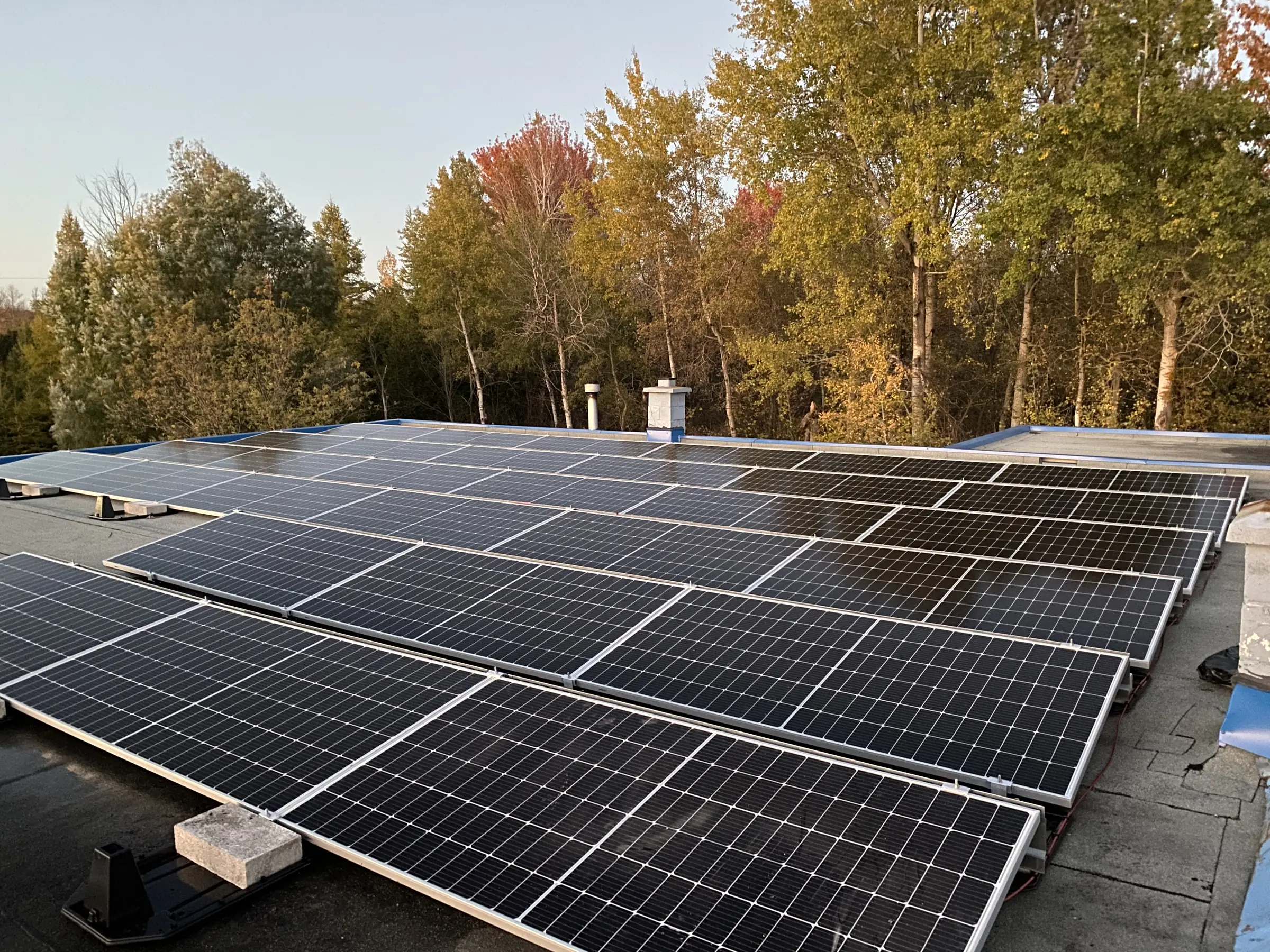
Size to the service. Mount without penetrations.
A compact rooftop solar PV system was engineered to align with both the facility’s single-phase electrical service and the available roof area. System capacity was deliberately sized to remain within allowable interconnection limits while ensuring stable operation alongside critical food processing equipment.
Rather than pursuing larger installations that would have required electrical upgrades or unrealistic assumptions, the design focused on delivering practical, compliant on-site generation within the facility’s existing infrastructure. The system reached commercial operation on March 21, 2023.
Energy-intensive equipment, refrigeration systems, and food safety requirements make electricity a significant operating cost for many meat processing facilities. Projects like Bentinck Packers demonstrate how properly sized solar systems can help reduce grid electricity purchases while working within existing facility infrastructure and utility constraints.
The numbers, then the consequence.
- 0115,497 kWh of solar electricity generated annually.
- 028.1% of the facility's annual electricity consumption offset by solar.
- 03Solar deployed successfully within single-phase interconnection limits.
- 04On-site generation implemented without disruption to meat processing operations.
Equivalent to the annual emissions of a single passenger vehicle.
For the facilities and engineering audience.
The defining constraint of this project was electrical infrastructure rather than roof space. The facility operated on a single-phase service, which limited the amount of solar generation that could be interconnected without requiring significant electrical upgrades.
System sizing was therefore determined by available interconnection capacity, existing electrical infrastructure, and operational requirements within an active food production environment. The final design demonstrates how smaller industrial facilities can deploy solar successfully even when utility service limitations restrict system size.
For food processing operations, reliability and operational continuity are critical. This project illustrates how solar generation can be integrated into existing infrastructure while maintaining compliance with operational requirements and avoiding unnecessary capital upgrades.
Facility characteristics that shaped the design.
- Small meat processing and retail facility with food safety-critical operations
- Single-phase electrical service limiting maximum solar interconnection capacity
- Limited rooftop area restricting total deployable system size
- Ground-mount option evaluated and ruled out due to electrical constraints
What was installed.
Questions This Project Helps Answer
Every facility has unique operational requirements, infrastructure constraints, and business objectives. These questions highlight some of the considerations, decisions, and lessons that emerged from this project and may help other organizations evaluating similar opportunities.
- Yes, although the available electrical infrastructure may influence the final system size. In some facilities, interconnection capacity becomes a more significant constraint than available roof space. Evaluating electrical service characteristics early in the project helps establish realistic design parameters and identify whether infrastructure upgrades would be required to support additional generation.
- Commercial solar projects are not always sized based on the amount of roof available. Utility interconnection requirements, electrical service limitations, annual electricity consumption, and project economics all influence final system capacity. In this case, the design was developed to align with the facility's infrastructure and operational requirements.
- Smaller facilities should not assume solar is only viable for large manufacturers. Projects can often be tailored to existing infrastructure, available roof area, and operational requirements. Understanding electrical capacity, annual electricity consumption, and future business plans can help determine whether a practical solar opportunity exists.
Related Questions
Looking for more information? Explore related questions from our Knowledge Centre covering project planning, technology considerations, incentives, and operational best practices.
Evaluating rooftop solar for a commercial or industrial facility? Understanding how solar aligns with your consumption profile and long-term objectives is the first step.
- ·Roof structural and shading review
- ·Annual production model
- ·Net-Metering interconnection check
- ·Incentive & financing stack
- ·Two-scenario capital plan