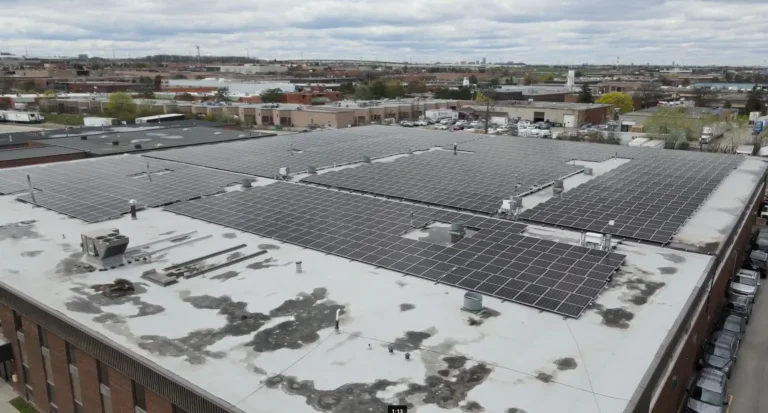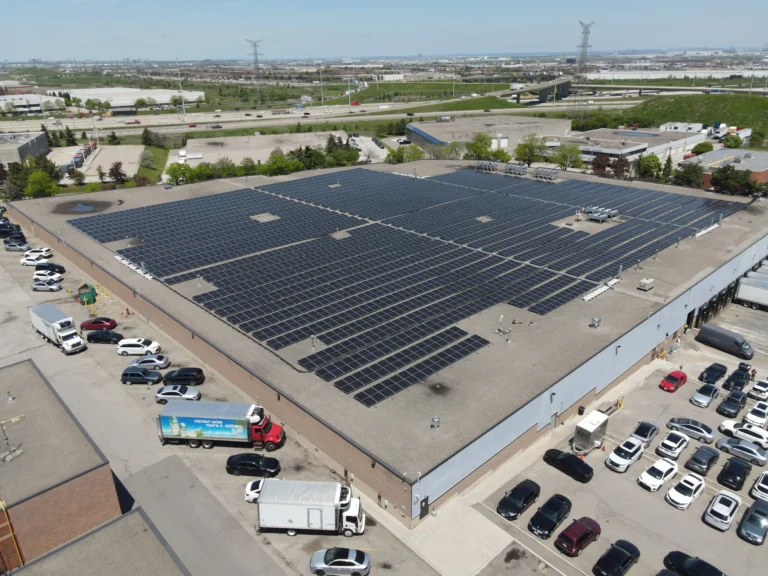

353.8 kW rooftop solar for an automotive collision repair facility in Oakville, Ontario
Over 50% of annual electricity offset at a full-service automotive collision repair facility.
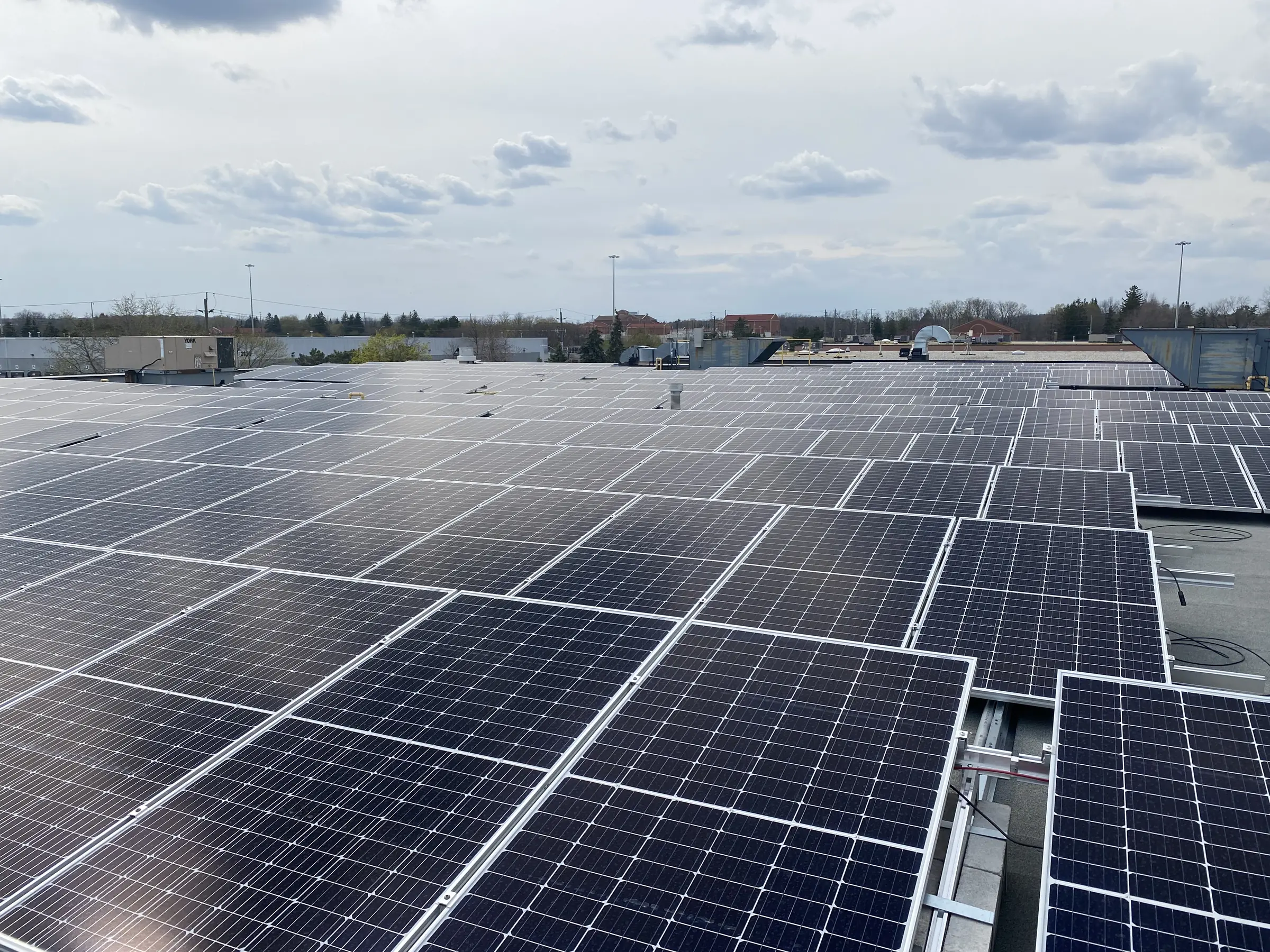
A high daytime load against a roof asset approaching the end of its replacement cycle.
Budds’ Collision Services operates a full-service automotive collision repair and refinishing facility serving Oakville and surrounding markets. Facilities in the automotive service sector have annual electrical consumption driven by repair operations, paint booths, lighting, and equipment that must remain reliable and consistent.
The objective was to offset a significant portion of annual electricity use tied to ongoing operations, deploy a system sized appropriately for the building and local utility constraints, and integrate solar into the existing business without complicating service operations.
Size to the service. Mount without penetrations.
Green Integrations engineered and installed a rooftop solar PV system sized to the facility’s annual electricity consumption profile. The design prioritised long-term reliability and practical electricity offset.
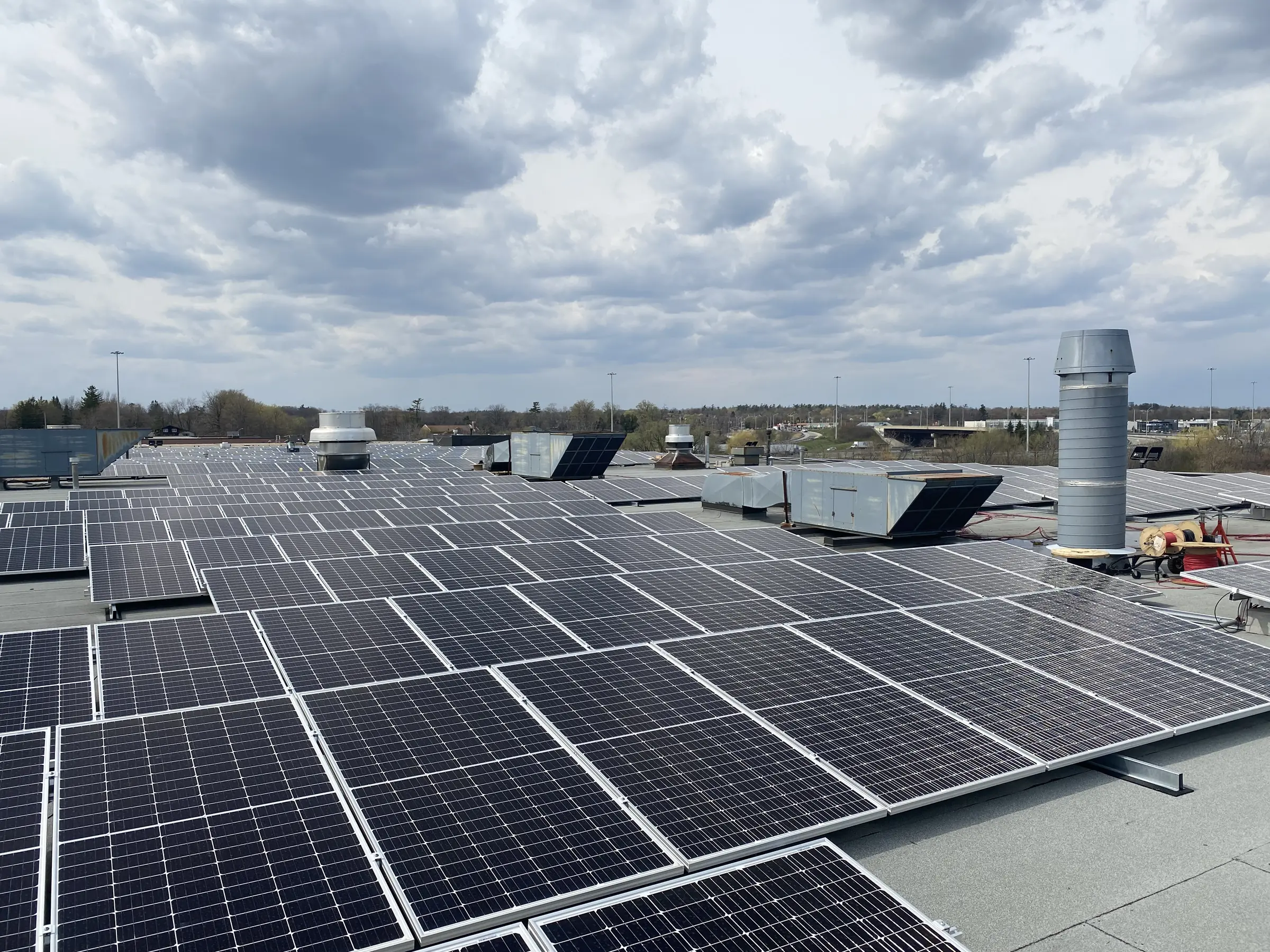
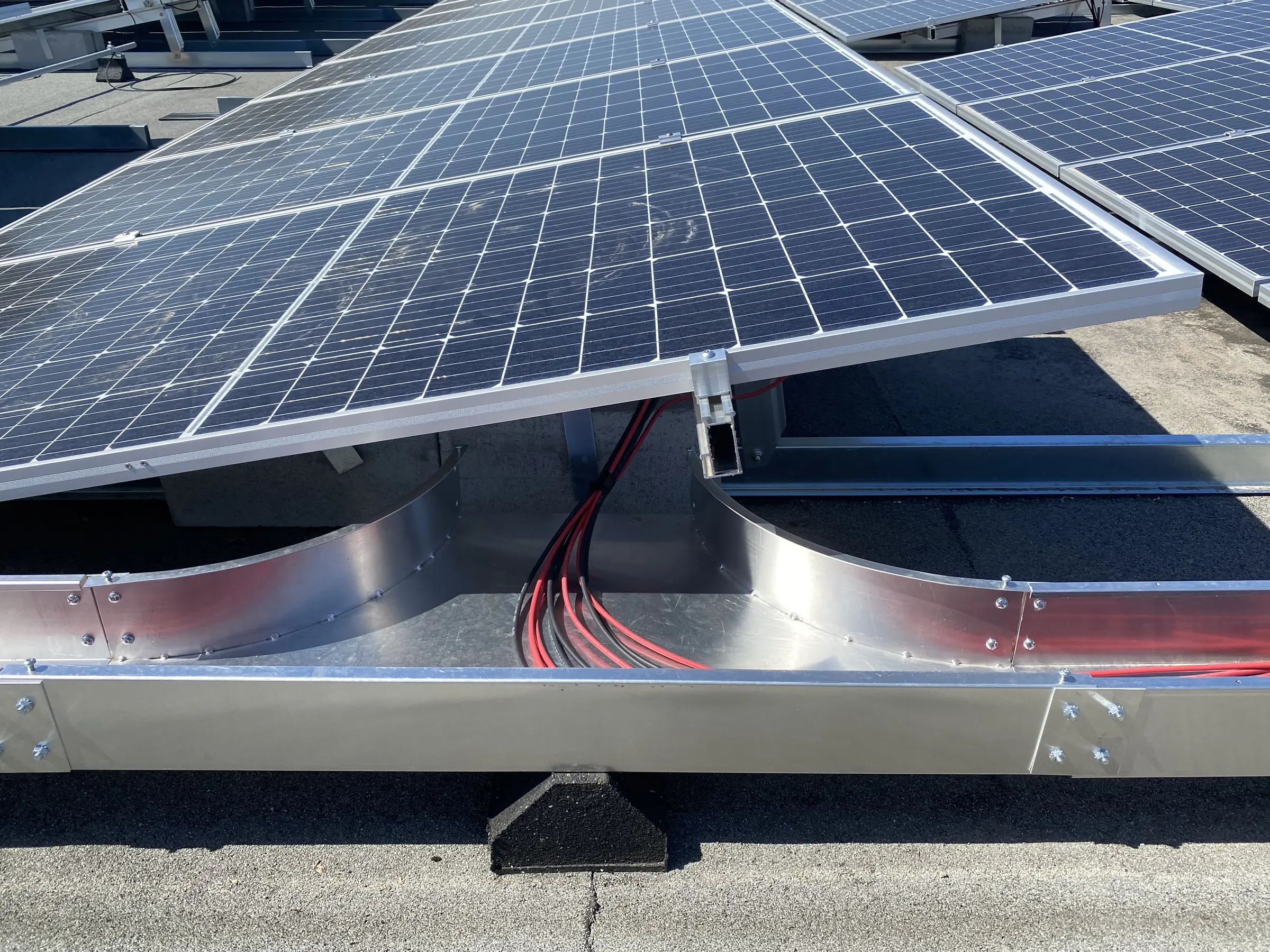
Canadian Solar Inc. modules were selected for dependable output and industry credibility. CSI inverters provide robust performance and monitoring capability. TerraGen racking was engineered for long-term durability and rooftop integration. Commercial operation was achieved on July 14, 2021.
The numbers, then the consequence.
- 01396,701 kWh of solar electricity generated annually.
- 0250.87% of the facility's annual electricity consumption offset by solar.
- 03System commissioned July 14, 2021.
- 04Reduced reliance on grid electricity purchases across facility operations.
Equivalent to removing 5 passenger vehicles from Ontario roads annually.
For the facilities and engineering audience.
The system consists of 353.8 kW DC (919 Canadian Solar modules) paired with 300 kW AC via CSI inverters. TerraGen racking was used throughout the installation. The system was designed to provide dependable electricity production while supporting long-term performance monitoring and asset management throughout its operating life.
System commissioning was coordinated with facility operations, reaching commercial operation on July 14, 2021 without disruption to collision repair and refinishing activities. Ongoing solar system monitoring and maintenance help ensure reliable performance, production visibility, and long-term operational value.
Facility characteristics that shaped the design.
- Full-service automotive collision repair and refinishing facility
- Annual electricity demand driven by repair operations, paint booths, lighting, and shop equipment
- Low-profile industrial roof with available solar deployment area
- Operations requiring reliable electricity and no disruption during installation
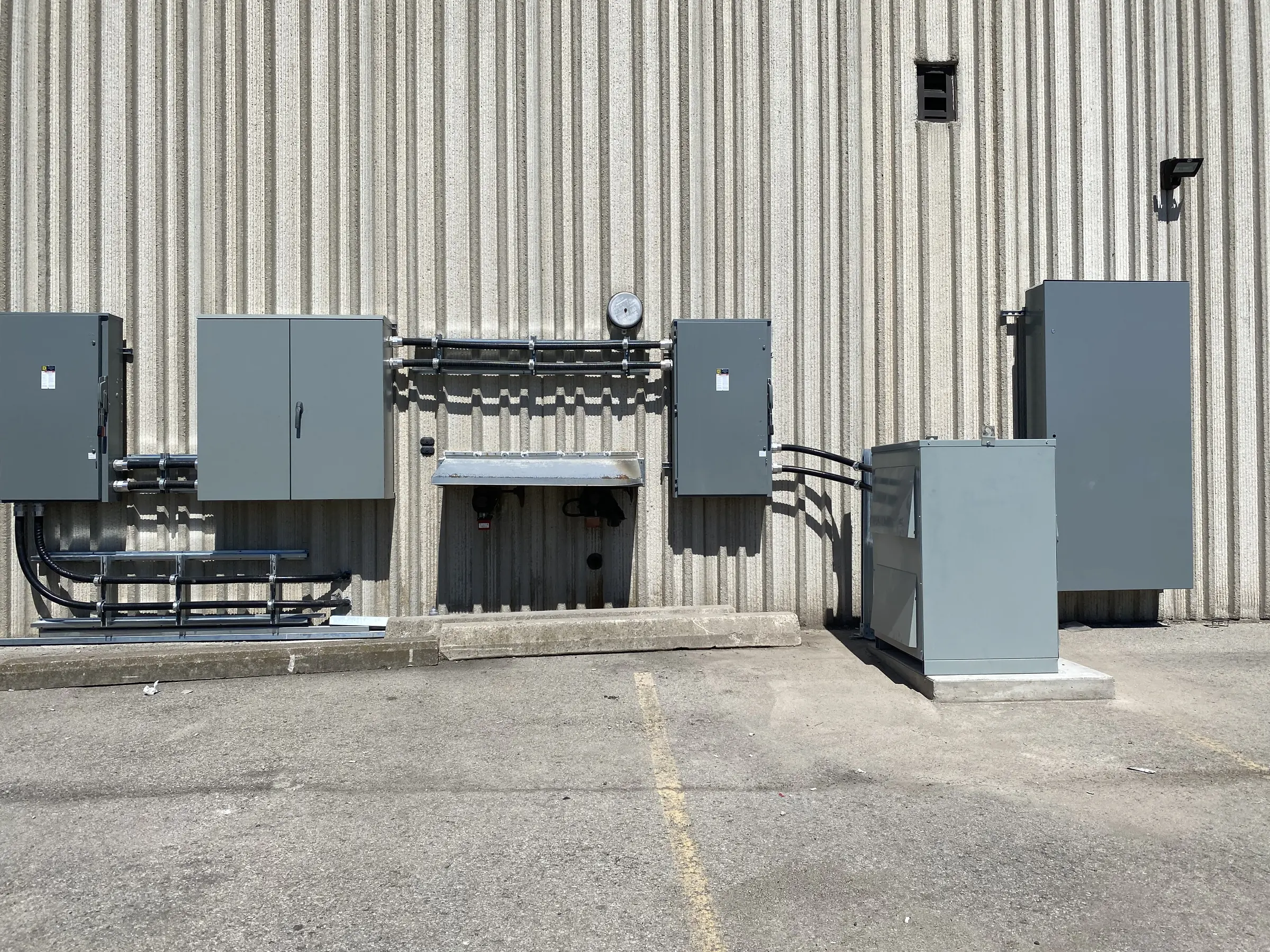
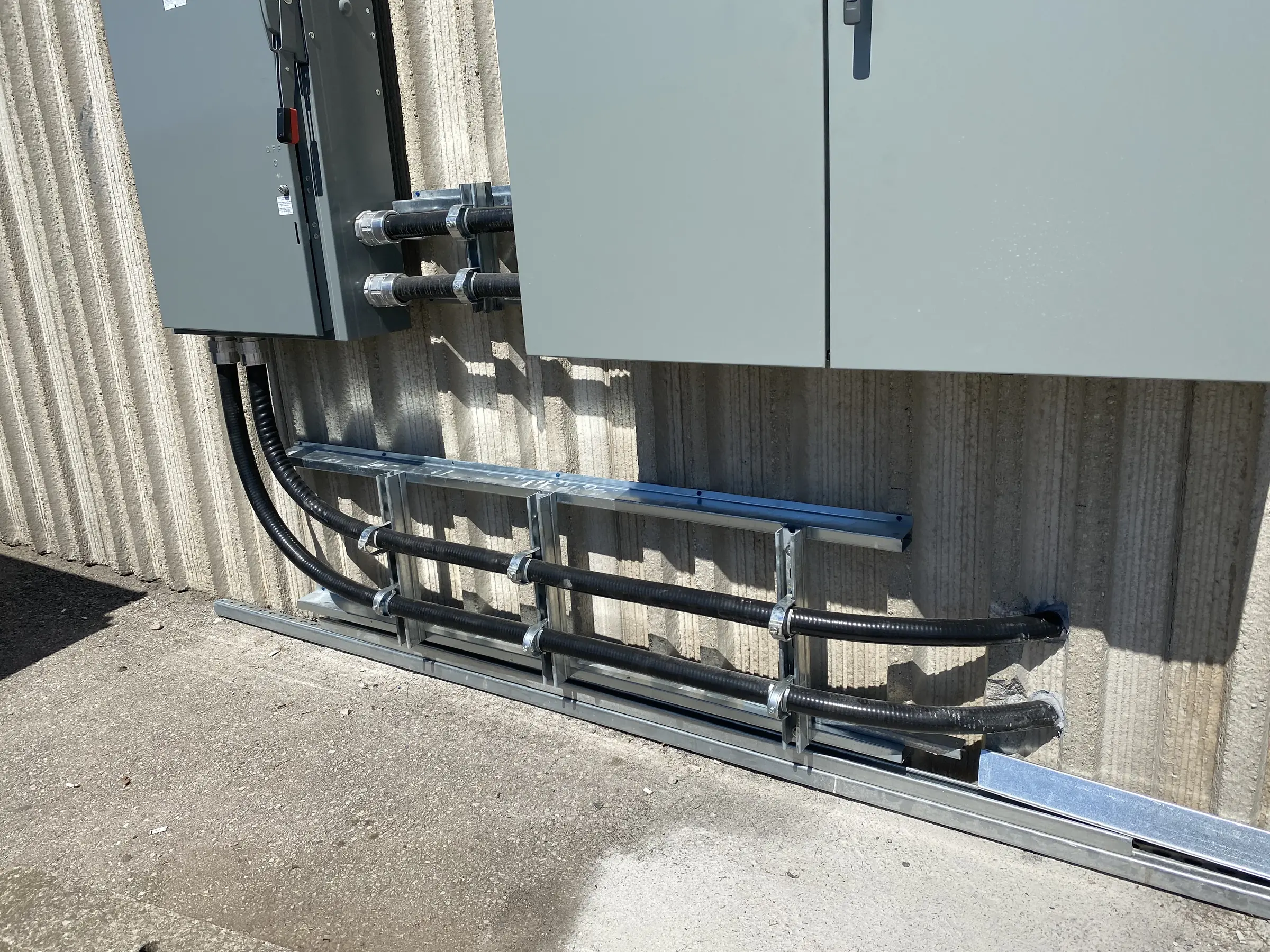
What was installed.
Related Questions
Looking for more information? Explore related questions from our Knowledge Centre covering project planning, technology considerations, incentives, and operational best practices.
Evaluating rooftop solar for a commercial or industrial facility? Understanding how solar aligns with your consumption profile and long-term objectives is the first step.
- ·Roof structural and shading review
- ·Annual production model
- ·Net-Metering interconnection check
- ·Incentive & financing stack
- ·Two-scenario capital plan