
Food Manufacturing LED Lighting Upgrade in Milton, Ontario
A phased LED lighting modernization across a large food manufacturing site in Milton — delivered in three stages between 2015 and 2021 and achieving 450,414 kWh in combined annual savings.
Three legacy lighting generations failing in a cold-chain environment they were never specified for.
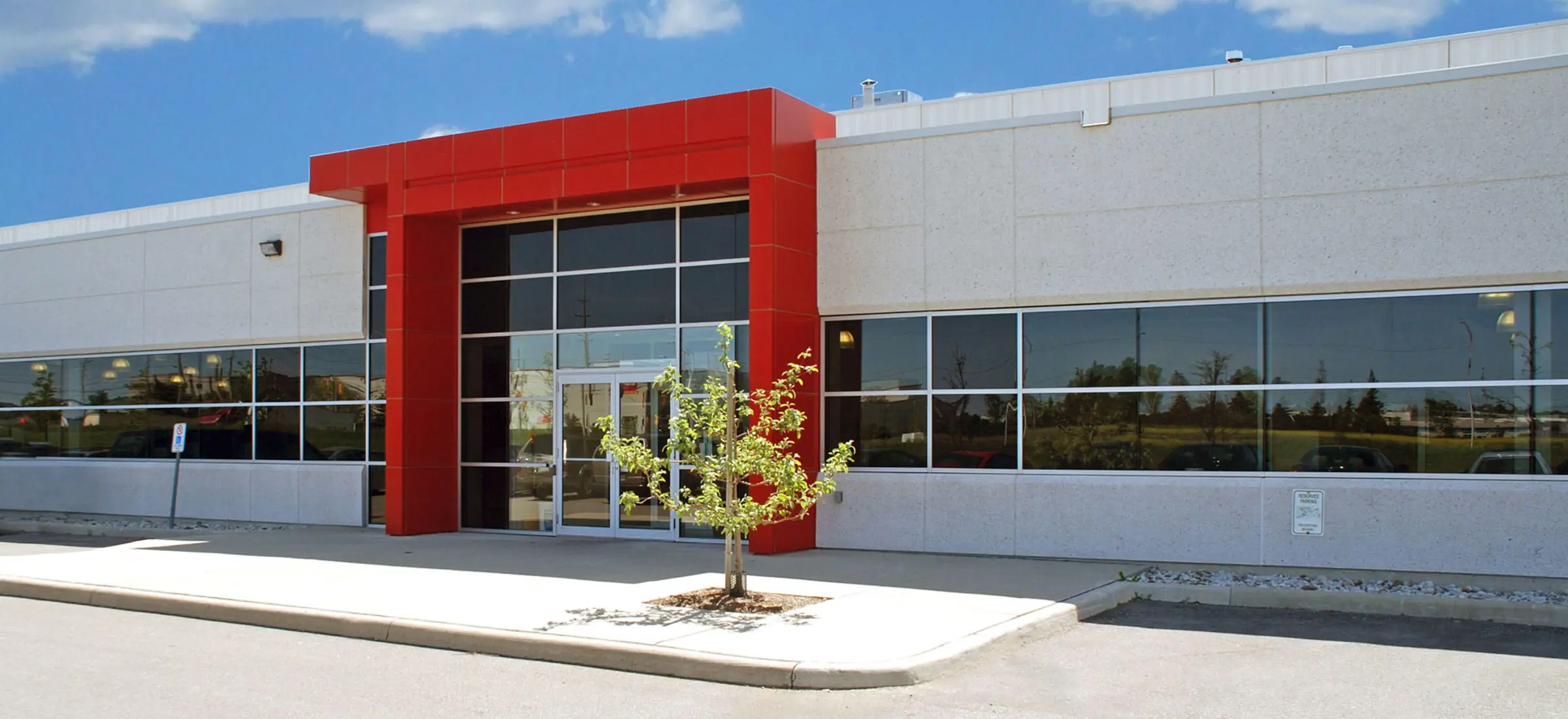
Chudleigh’s Ltd. operates a large food manufacturing facility in Milton where lighting contributes significantly to overall electricity consumption and electrical demand. Production areas, processing zones, and office spaces operate across extended hours, and legacy lighting systems were driving unnecessary electrical load throughout.
The facility required a lighting upgrade that could be delivered in stages to minimise disruption to active food production — with measurable reductions in both energy consumption and peak demand across all areas of the site.
One sealed cold-rated fixture family across every zone, paired with zone-level occupancy logic.
Green Integrations delivered the lighting modernization across three phases, beginning with the primary facility areas in 2015 and completing office and additional plant upgrades in 2021.
Each phase replaced legacy lighting systems with high-efficiency LED fixtures suited to food manufacturing operations — reducing energy consumption, lowering electrical demand, and improving lighting consistency across production and support areas. Each phase was executed without interrupting facility operations.
All phases qualified for incentives under the Save on Energy program. Green Integrations managed the documentation and submission process across each phase to ensure compliance with program requirements.
The lighting upgrades qualified for incentives under the Save on Energy program. Incentive eligibility was determined based on verified reductions in energy consumption and electrical demand achieved through each phase of the project. Green Integrations managed the documentation and submission process to ensure compliance with program requirements.
The numbers, then the consequence.
- 01450,414 kWh in combined annual energy savings across all three phases — a 66.5% reduction in lighting electricity consumption.
- 0267.24% reduction in system demand across the full facility.
- 03All three phases qualified for Save on Energy incentives, reducing net project cost.
- 04Consistent lighting performance achieved across production, plant, and office areas.
Equivalent to removing 6 passenger vehicles from Ontario roads annually.
For the facilities and engineering audience.
The three-phase retrofit replaced legacy lighting systems across all areas of a large food manufacturing facility. Phase 1 targeted primary production and facility areas with the highest lighting loads. Phases 2 and the Plant Upgrade addressed office spaces and remaining plant areas, completing the site-wide transition to LED.
Each phase was designed to food manufacturing specifications, with fixtures selected for reliable performance in operating environments with specific requirements for illumination consistency and hygiene. System demand reductions were verified and documented for each phase under Save on Energy program requirements.
The phased approach allowed the project to be delivered over six years while maintaining uninterrupted facility operations, with measurable performance improvements recorded and verified at each stage.
Facility characteristics that shaped the design.
- Large food manufacturing facility with production, plant, and office areas across a single site
- Extended operating hours driving consistent lighting load throughout the day
- Food safety and operational continuity requirements necessitating phased execution over multiple years
- Legacy lighting system contributing to high electricity consumption and peak demand across all areas
- Long-term client partnership enabling a staged delivery approach aligned with facility operations
Related Questions
Looking for more information? Explore related questions from our Knowledge Centre covering project planning, technology considerations, incentives, and operational best practices.
Considering a lighting upgrade for your facility? A well-executed LED retrofit is one of the most consistent ways to reduce electrical demand and modernise building infrastructure.
- ·Site photometric audit
- ·Energy & demand baseline
- ·Fixture and control specification
- ·SaveON / IESO incentive stack
- ·Phased installation plan