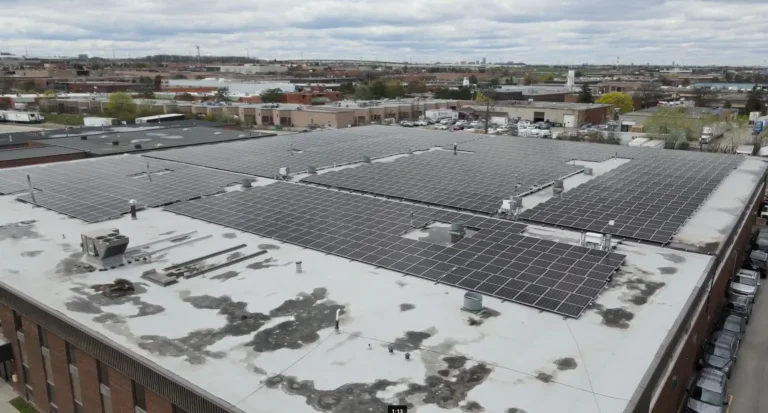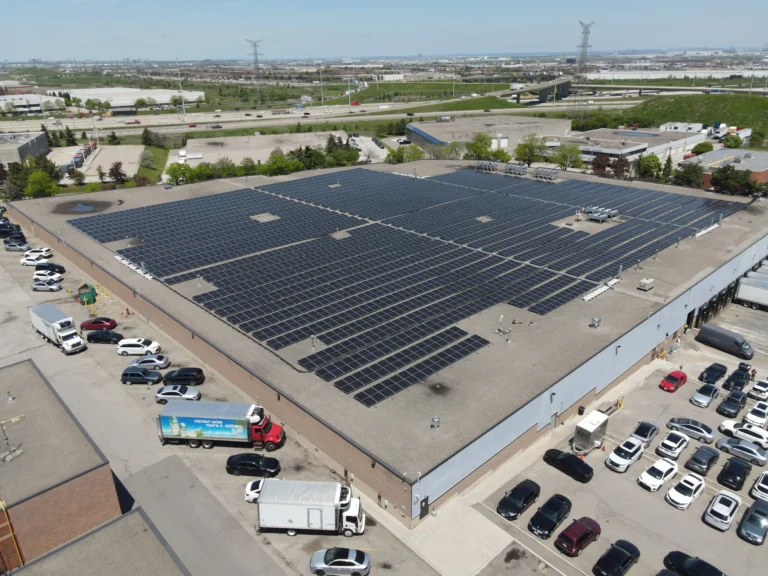

187.3 kW Building Supply Solar Installation in Edmonton, Alberta
Rooftop solar generating over 197,000 kWh annually at a building supply facility in Edmonton.
A high daytime load against a roof asset approaching the end of its replacement cycle.
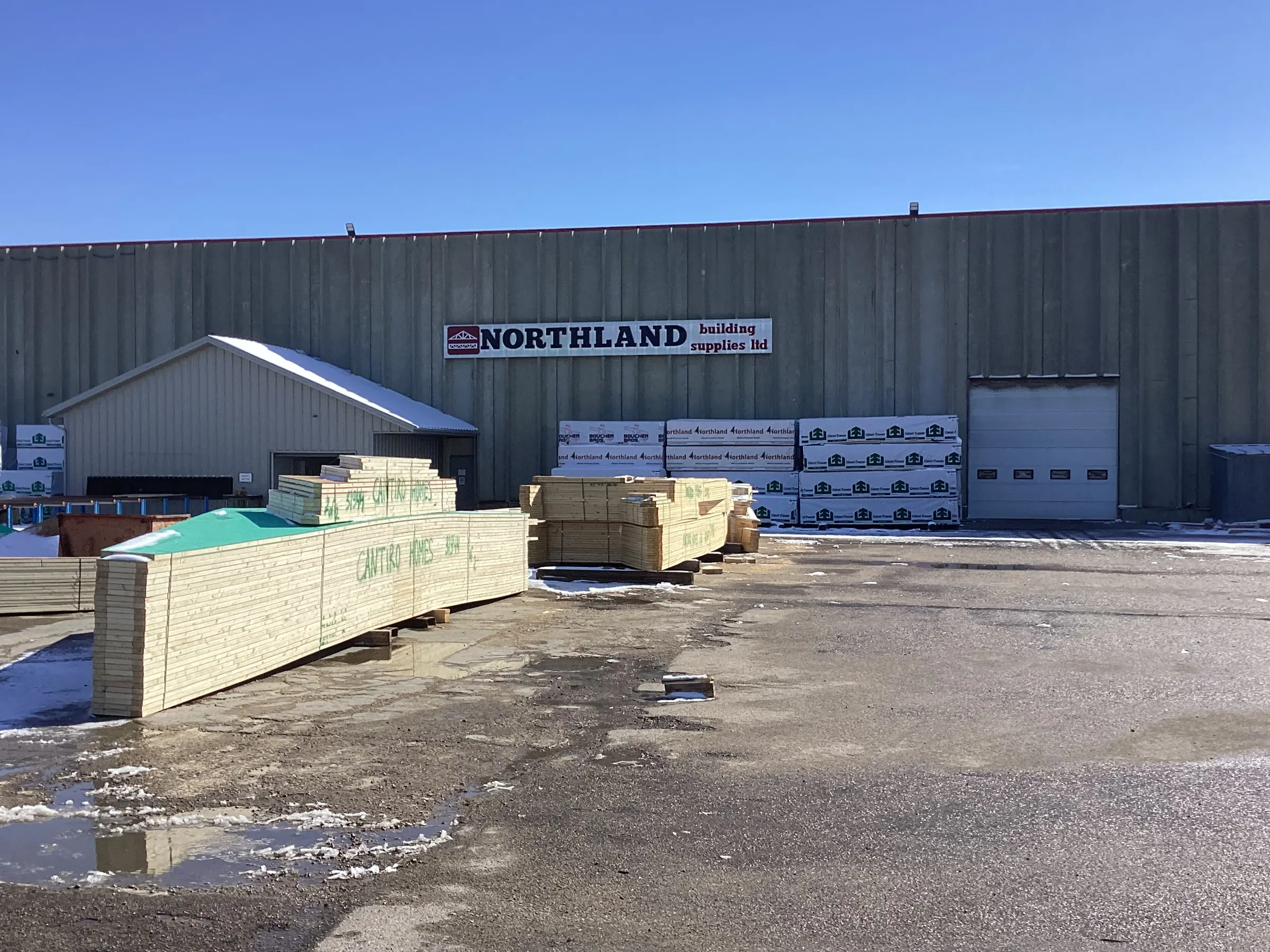
Building supply and construction materials facilities operate with a combination of warehouse, yard, and service functions. Electricity demand is driven by lighting, material handling equipment, indoor workspaces, and extended operating hours that support contractors and active job sites throughout the day.
At Northland Building Supplies’ Edmonton facility, the objective was to reduce reliance on grid electricity while maintaining operational flexibility. The challenge was not maximising system size, but deploying solar in a way that aligned with how the facility actually operates over the course of the year, without interfering with daily operations, inventory movement, or customer access.
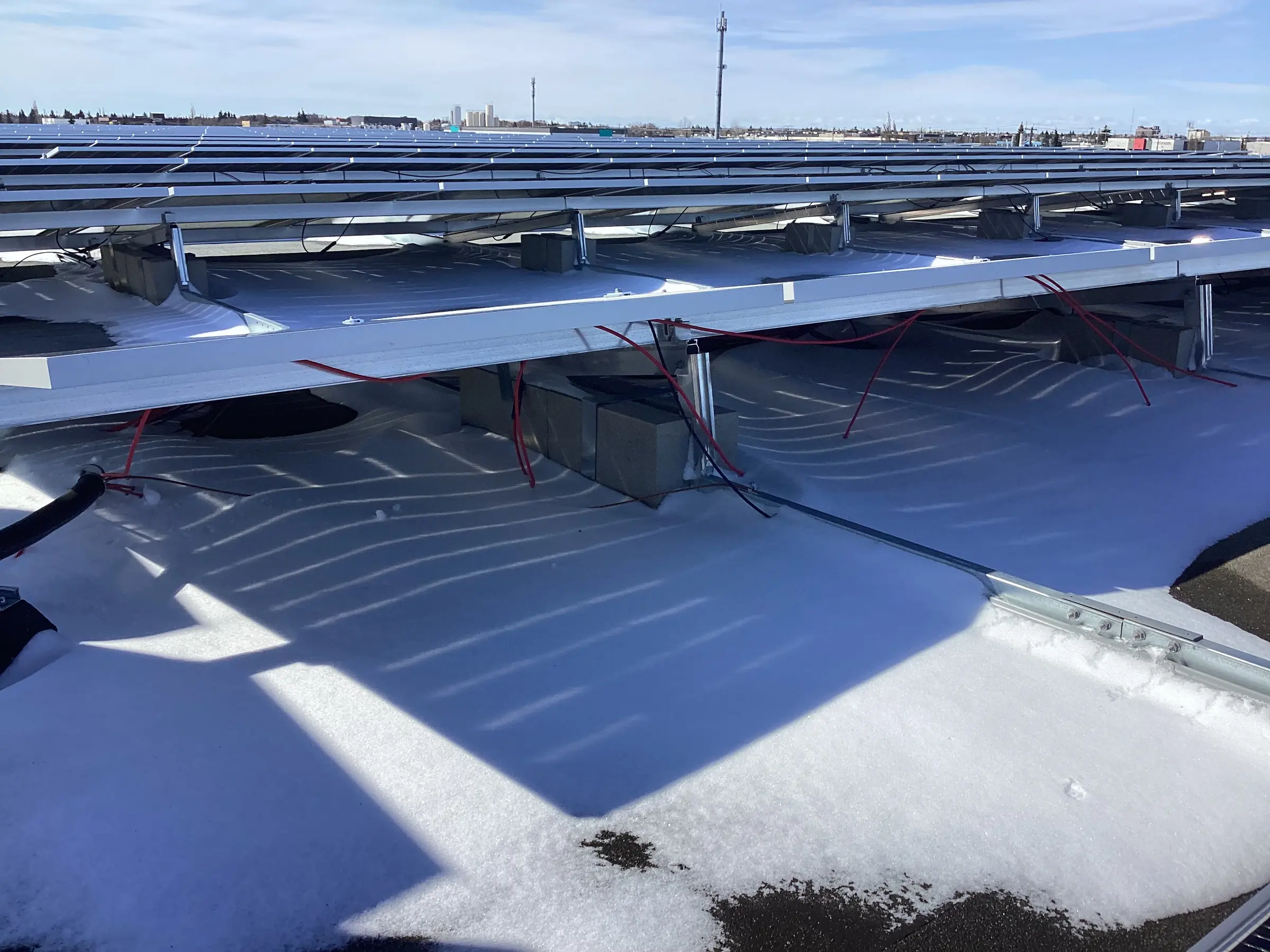
Size to the service. Mount without penetrations.
A rooftop solar system was engineered with capacity and layout determined based on roof availability, electrical infrastructure, and operational requirements specific to building supply operations.
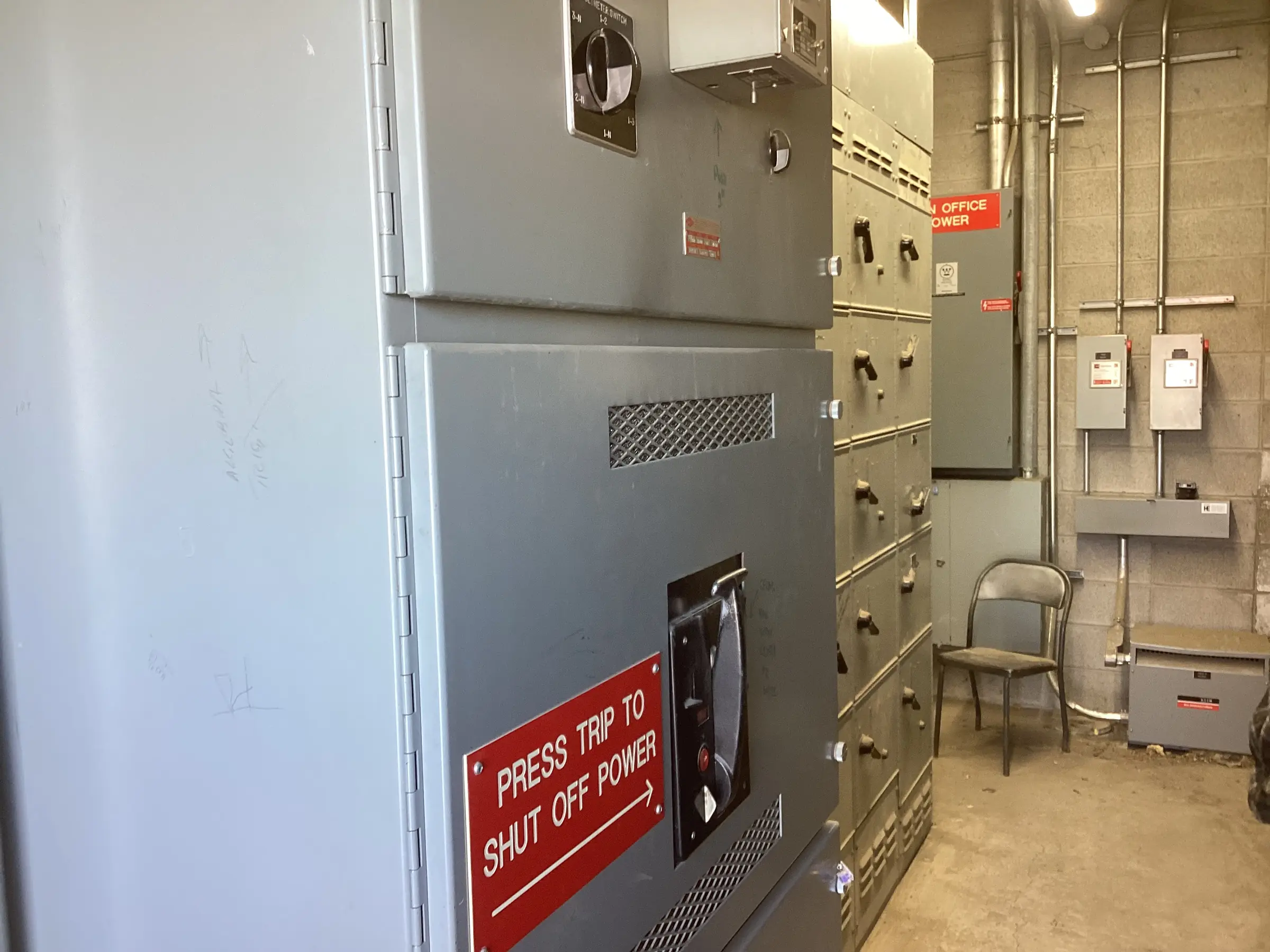
The design prioritised practical annual electricity offset and high on-site utilisation. By integrating solar into the existing electrical system, the project delivers predictable performance and cost stability while preserving operational continuity. The system reached commercial operation on June 19, 2024.
The numbers, then the consequence.
- 01197,690 kWh of solar electricity generated annually.
- 0265.2% of the facility's annual electricity consumption offset by solar.
- 03System commissioned June 19, 2024, integrated without disruption to daily building supply operations.
Equivalent to removing 24 passenger vehicles from Alberta roads annually.
For the facilities and engineering audience.
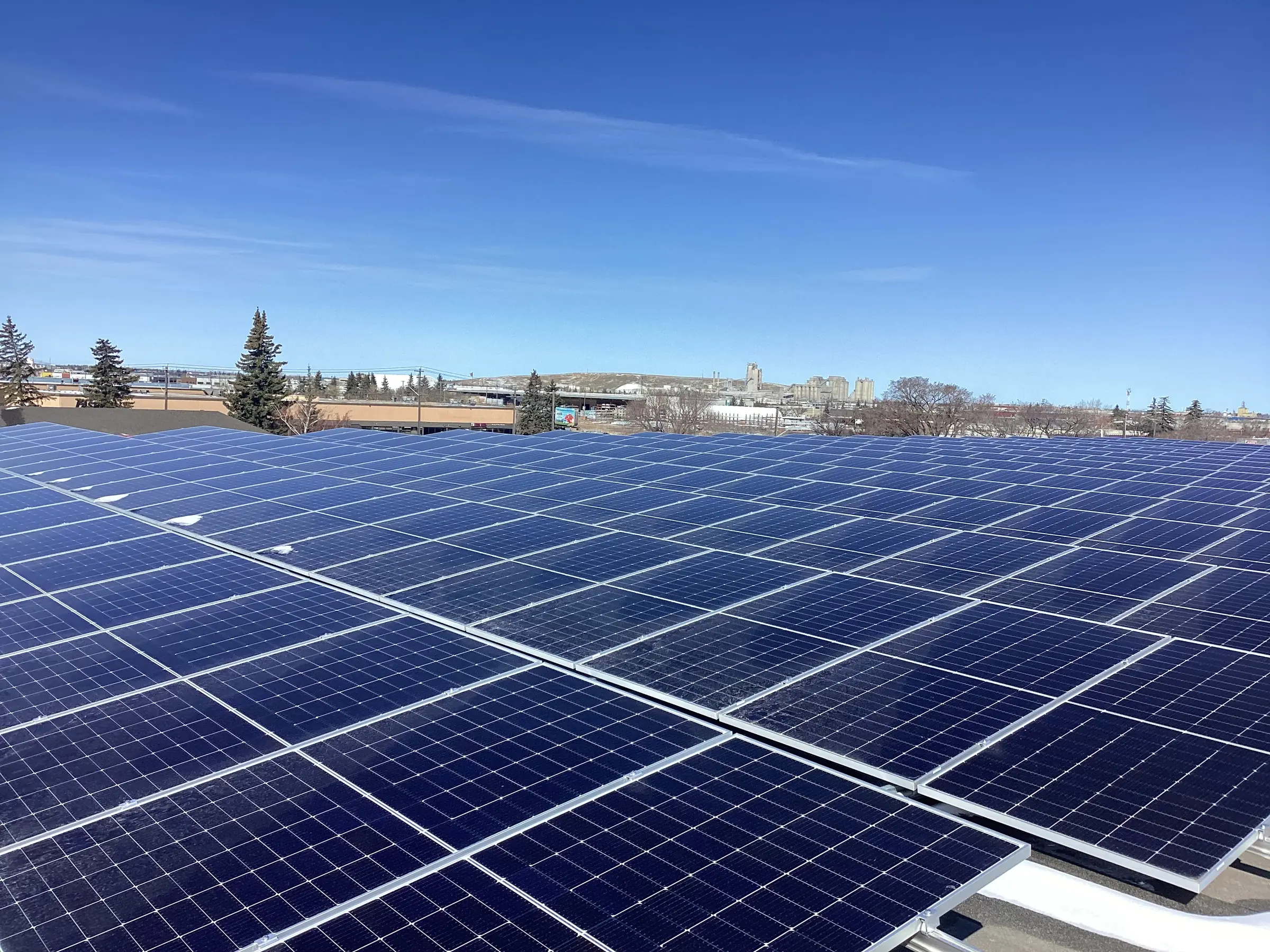
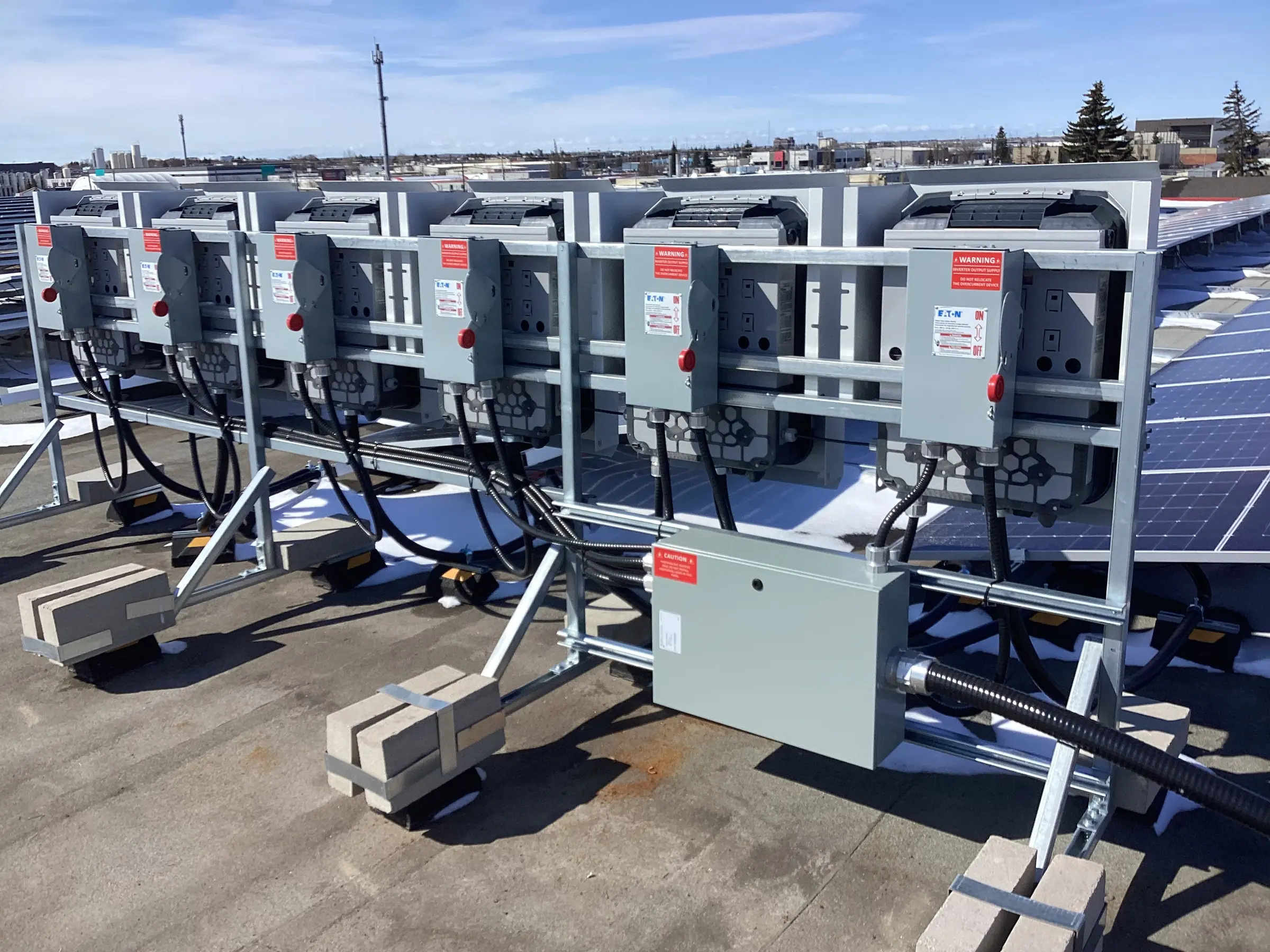
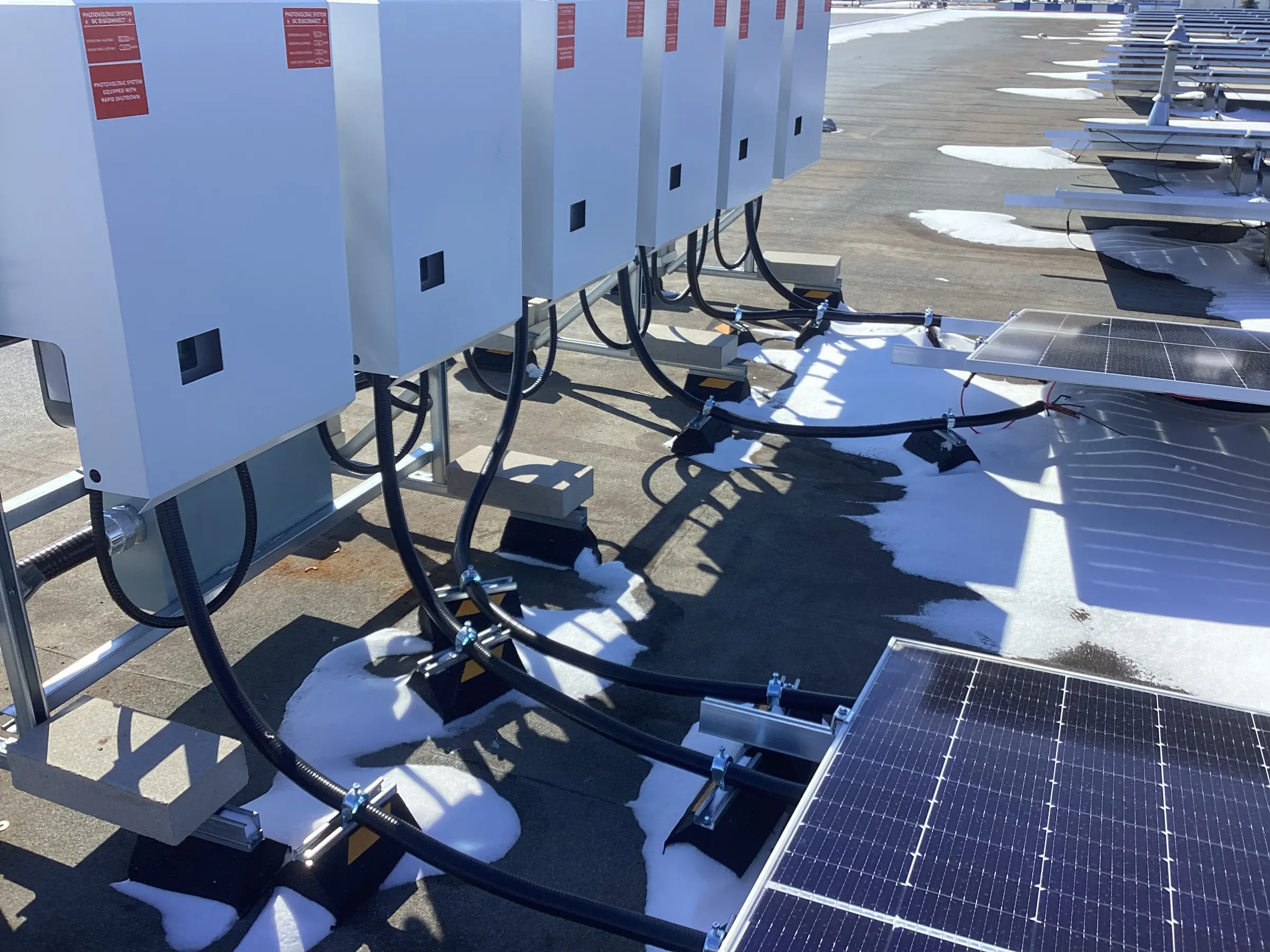
The system consists of 187.3 kW DC (350 CSI Solar modules) paired with 144 kW AC via Fronius inverters. TerraGen rooftop racking was engineered to integrate with the existing roof structure. Long-term performance can be supported through a structured solar operations and maintenance program that helps maximize production and system visibility.
The Alberta grid emission factor means each kWh of on-site generation represents a comparatively high GHG reduction relative to Ontario installations of the same size.
Facility characteristics that shaped the design.
- Building supply and construction materials facility serving contractors and local projects
- Annual electricity demand driven by lighting, equipment, and service operations
- Mixed-use commercial environment with steady weekday activity
- Rooftop area suitable for proportionate solar deployment
What was installed.
Related Questions
Looking for more information? Explore related questions from our Knowledge Centre covering project planning, technology considerations, incentives, and operational best practices.
Evaluating rooftop solar for a commercial or industrial facility? Understanding how solar aligns with your consumption profile and long-term objectives is the first step.
- ·Roof structural and shading review
- ·Annual production model
- ·Net-Metering interconnection check
- ·Incentive & financing stack
- ·Two-scenario capital plan