Clear answer, explained.
Commercial solar delivers the greatest value when it is planned alongside other business investments rather than treated as a standalone project.
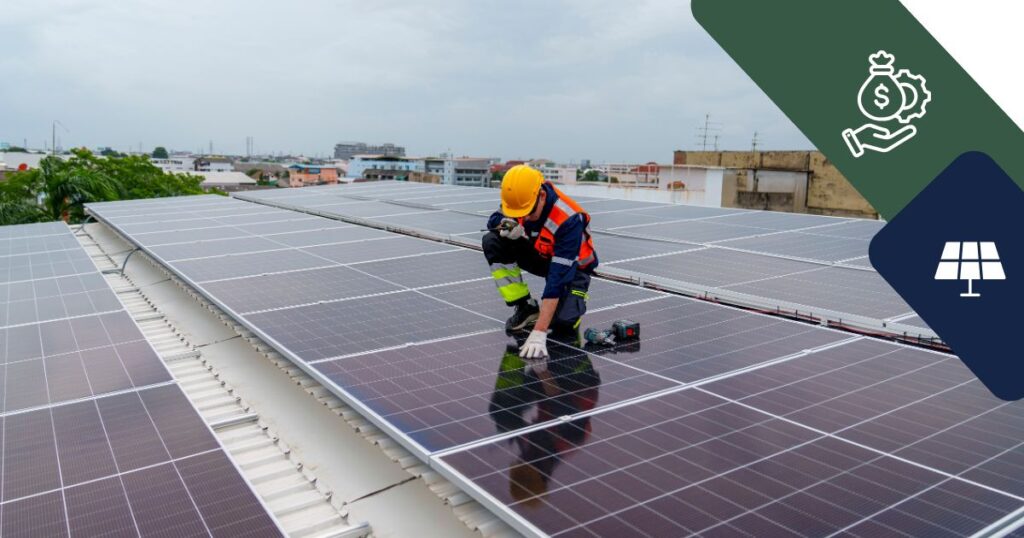
Many organizations install solar during facility expansions, electrical upgrades, roof replacements, or equipment modernization projects. Coordinating these investments can reduce disruption, improve project economics, and simplify implementation.
Financial conditions also matter. A strong business case should consider projected electricity consumption, available incentives, expected return on investment, and the condition of the existing electrical infrastructure—not just today’s utility rates.
Rather than asking “Is this the right year to install solar?”, businesses often achieve better outcomes by asking “Does this support our long-term operational and financial objectives?”
Learn how commercial solar fits into a broader investment strategy in Energy Capital Planning: Why Your Next Capital Budget Should Include Energy.
What this means in practice.
- Invest when solar aligns with planned business or facility improvements.
- Evaluate long-term financial performance, not just current electricity prices.
- Consider incentives as part of the business case, not the sole reason to invest.
Best-fit environments.
- Manufacturing facilities
- Food & beverage manufacturers
- Warehousing & distribution centres
- Cold storage facilities
- Businesses planning facility expansions
- Facilities requiring roof or electrical upgrades