

Community & PartnersSolar Calculator
Green Integrations
Start your assessment
InsightsPower · Solar & StorageEnergy Cost Control in Ontario: How Businesses Are T…
Power · Solar & Storage2 min read

Energy Cost Control in Ontario: How Businesses Are Taking Charge in 2025

A practical guide to energy cost control in Ontario. Learn the strategies, tools and technologies that businesses can use to manage and reduce electricity spending while boosting operational resilience.

Energy Cost Control in Ontario: How Businesses Are Taking Charge in 2025

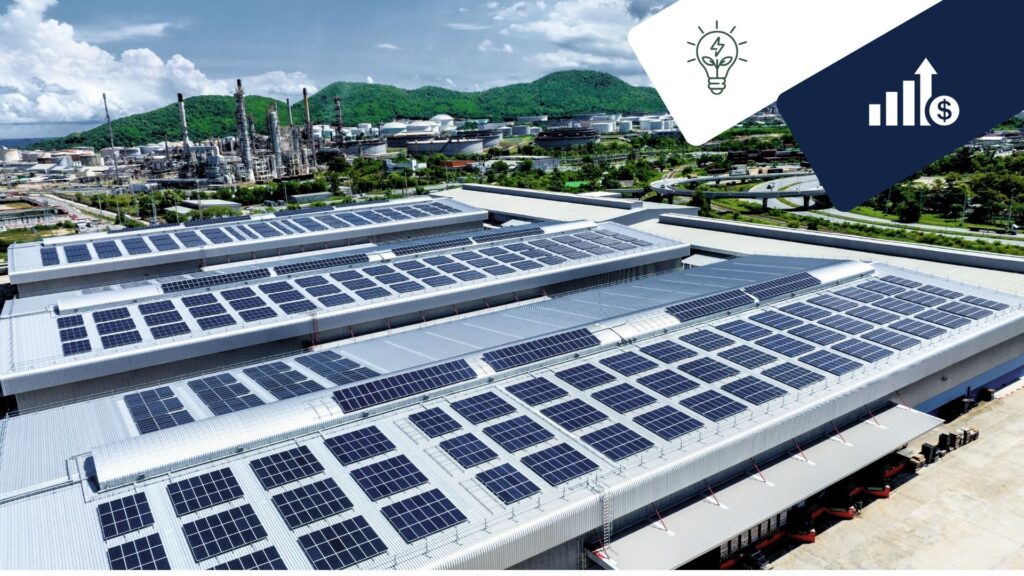
Energy cost control in Ontario is no longer a theoretical goal—it’s a strategic action businesses are already implementing. With electricity rates climbing and generous incentive programs available, commercial solar adoption is helping organizations reduce expenses, stabilize operations, and lead in sustainability.

Rather than waiting for the next wave of support, Ontario businesses are responding to what’s available now. This blog explores how companies are improving their bottom line with energy cost control strategies tailored to 2025 conditions.

Energy prices continue to shift, and so do the rules that shape your electricity bill. Ontario facility operators are choosing to:

  • Stabilize their operating costs with on-site generation
  • Use today’s funding to reduce capital investment by up to 50%
  • Strengthen their ESG story with visible emissions reductions

This type of energy cost control in Ontario is becoming part of capital planning, not just operational upgrades.

There’s never been a better moment to fund commercial solar in Ontario. Two major programs are currently available:

Save on Energy – Retrofit Program  

  • Up to $860/kW AC in rebates
  • Covers up to 50% of project costs (max $860,000)
  • For behind-the-meter systems with pre-approval

Federal Clean Technology Investment Tax Credit  

  • 30% refundable tax credit on solar PV capital costs
  • Stackable with Save on Energy incentives
  • Applies to most commercial and industrial systems

Together, these tools support long-term energy cost control in Ontario while improving project ROI.

More businesses are building solar into their plans—not just as an upgrade, but as a strategic move. Here’s how they’re doing it:

  • Starting with usage analysis to size systems correctly
  • Securing funding early to protect economics
  • Installing to reduce long-term exposure to rising rates

These steps allow for predictable, long-term energy cost control in Ontario’s volatile market.

Today’s commercial solar incentives in Ontario are robust, time-limited, and designed for real projects. Businesses that move now aren’t rushing—they’re making informed decisions.

By acting now, businesses take full advantage of available programs and position themselves ahead of future changes in energy pricing and carbon regulation.

Filed underCommercial SolarOntario Market

Frequently asked questions

Ontario commercial electricity rates include a base energy charge plus demand charges, time-of-use pricing adjustments, Global Adjustment (GA), and distribution costs — each subject to independent increases. The Global Adjustment component, which funds Ontario's contracted generation capacity, has been a significant and growing portion of commercial bills. IESO's Market Renewal Program (MRP) is restructuring how capacity costs are allocated, which will affect how rates are structured for large commercial consumers going forward.
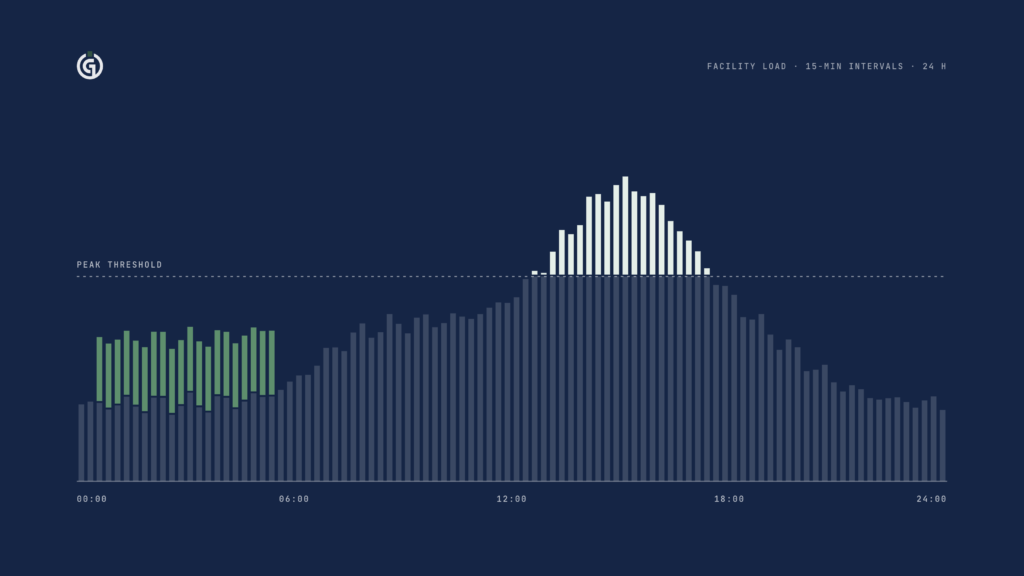
The most effective approach addresses both consumption and demand. Reducing peak demand charges through HVAC optimisation, BAS controls, or battery storage directly lowers monthly bills — one food manufacturing facility reduced peak demand charges by $40,000 per month through HVAC recommissioning and BAS adjustments before adding any solar generation. Solar reduces the volume of grid electricity purchased annually. Combining both strategies delivers the largest total cost reduction.
On completed projects, the combination of efficiency measures and solar generation delivers total energy cost reductions of 15% or more annually. Solar alone typically reduces grid electricity costs proportional to the system's annual generation as a percentage of total consumption. Efficiency measures reduce the consumption baseline, which then allows solar to cover a greater share of remaining demand at the same system size — or achieve the same coverage at a smaller, lower-cost system.
The IESO saveONenergy Retrofit Incentive Program provides funding for LED lighting, HVAC upgrades, and building automation improvements in Ontario commercial facilities. NRCan programs support energy assessment costs across all Canadian provinces. The federal Clean Technology Investment Tax Credit (up to 30% refundable) applies to eligible solar and storage capital costs. These programs can be stacked on a single project — one completed project secured $509,000 in combined federal and provincial incentives.
Global Adjustment (GA) is a component of Ontario electricity bills that funds the difference between contracted generator rates and the market price — essentially the cost of Ontario's long-term electricity generation contracts. For large commercial consumers classified under Class A or Class B, GA is calculated differently based on consumption peaks. Understanding how GA is calculated for your facility's rate class is a prerequisite for modelling accurate electricity cost savings from any energy measure.

More from Power · Solar & Storage

View all articles