Community & PartnersSolar Calculator
Green Integrations
Start your assessment
InsightsPower · Solar & StorageInvesting in Commercial Solar: Future Proofing Your…
Power · Solar & Storage4 min read

Investing in Commercial Solar: Future Proofing Your Business Against Rising Energy Costs

A practical look at investing in commercial solar, how it can help future-proof your business against rising energy costs, and the financial and sustainability benefits of going solar.

Investing in Commercial Solar: Future Proofing Your Business Against Rising Energy Costs

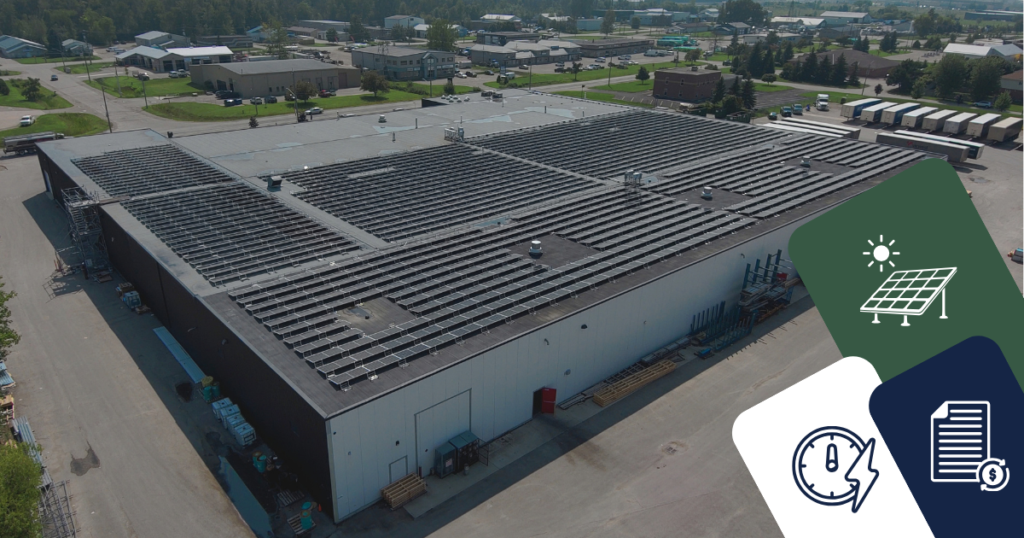
Imagine this : you’re running a successful business, staying ahead of your competitors, but every year your operational costs rise because of fluctuating electricity rates. Now imagine a future where your energy bills are predictable, where you’re protected from rising costs, and where your business takes control of its energy needs. This isn’t just a possibility—it’s a reality that Ontario businesses are achieving with commercial solar energy solutions.

Electricity costs in Ontario are among the highest in Canada. With rates heavily influenced by the Global Adjustment (GA) fee, businesses in the province are shouldering increasing energy costs to maintain the grid. On top of this, demand charges, Time-of-Use (TOU) rates, and the Hourly Ontario Energy Price (HOEP) make long-term energy budgeting a significant challenge.

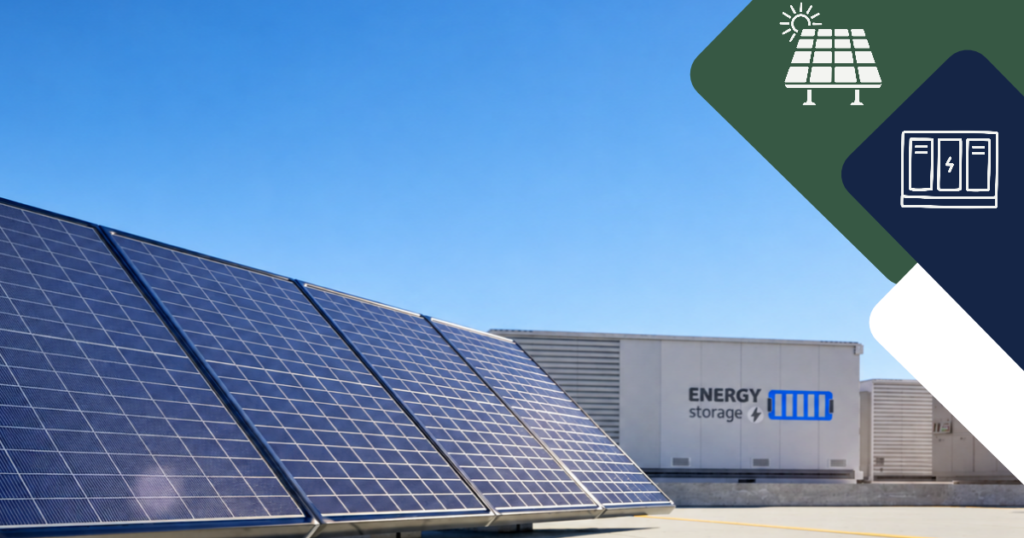
This is where solar energy comes in as a strategic solution. By investing in onsite solar generation and battery storage, Ontario businesses can shield themselves from these unpredictable costs and take advantage of regional and national incentives that make solar power more accessible than ever.

Here’s why now is the ideal time for businesses in Ontario to make the switch:

  1. Lower Energy Costs: Onsite solar electricity generation in Ontario costs up to 80% less than buying electricity from the grid. With the Levelised Cost of Energy (LCoE) for rooftop solar at $0.04–$0.06 per kWh, businesses can achieve stable, predictable energy pricing for decades.
  2. Take Advantage of Solar Incentives: Ontario is investing heavily in Distributed Energy Resources (DERs) like solar and battery storage. Ontario businesses can access tax credits and rebates covering up to 70% of the cost of a solar panel system, significantly reducing upfront expenses and improving ROI.
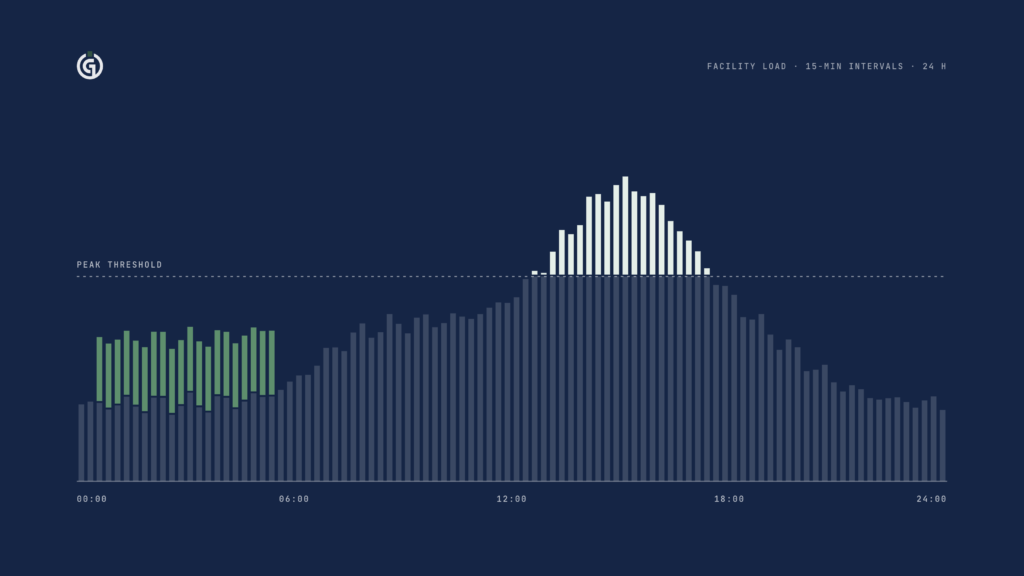
  3. Offset Demand Charges: With solar power, businesses can reduce reliance on the grid during peak demand periods, lowering demand charges and maximising energy savings.
  4. Protect Against Rising Costs: Historically grid electricity rates have seen double-digit annual increases and are projected to continue to rise in the years to come, driven by increased demand from population growth, industrial expansion, and electrification initiatives like EVs. Solar power offers a reliable hedge against these escalating costs.

One of the key decisions Ontario businesses must make is choosing the right solar energy model. Here’s a simple breakdown:

  • Net Metering: Send excess solar power back to the grid and receive credits towards future energy use. Ideal for businesses with fluctuating energy needs or those that are capable of generating 100% of their annual electricity requirements with their rooftop.
  • Load Displacement: Use solar power directly on-site to offset grid electricity usage, reducing demand charges and optimizing self-consumption. This is perfect for businesses with a consistent and high electricity demand profile aiming to maximize immediate savings and energy independence without reliance on grid exports.

Both options are supported by strong financial incentives in Ontario, and we’re here to guide you in selecting the best fit for your business.

Solar energy isn’t just about saving money; it’s about positioning your business as a sustainability leader. In Ontario, where public and government focus on green initiatives continues to grow, adopting solar power is a clear statement of your commitment to the environment. It’s a move that resonates with customers, stakeholders, and communities who value corporate responsibility and environmental stewardship.

The landscape of energy in Ontario is changing rapidly. Demand is expected to grow by 75% by 2050, driven by electrification, industrial expansion, and technological innovation. Delaying action means missing out on:

  • The opportunity to lock in low solar energy costs.
  • Rebates and tax incentives that can significantly reduce upfront investment.
  • The ability to shield your business from rising energy costs and grid instability.

Every moment you wait is a missed chance to future-proof your operations.

At its core, solar energy is about empowerment—giving your business the tools to

control energy costs, build resilience, and lead the way in sustainability. As a trusted partner in Ontario’s renewable energy transition, we’re here to help you navigate the incentives, options, and strategies that make solar work for your business.

The future of energy is in your hands. Contact our team today to schedule a free consultation and learn how commercial solar solutions can transform your business in Ontario. Together, we’ll tailor a plan that maximises your savings, enhances sustainability, and protects your operations for years to come. Get a Personalised Solar Assessment Today.
Filed underCommercial SolarOntario Market

Frequently asked questions

On completed commercial and industrial projects in Ontario, payback ranges from 4.6 to 7.6 years depending on system size, facility electricity consumption, and incentive eligibility. Facilities with high annual electricity consumption and access to the federal Clean Technology Investment Tax Credit (up to 30% refundable) consistently reach payback at the lower end of that range. These figures come from completed installations — not projections.
A commercial solar system sized against a facility's annual consumption profile can offset a significant portion of grid electricity purchases — in some cases up to 99% on projects where roof area and consumption align. The financial outcome depends on annual consumption, local utility rates, and system size. When combined with efficiency measures, completed projects show total energy cost reductions of 15% or more annually.
The primary federal program is the Clean Technology Investment Tax Credit — a refundable tax credit of up to 30% on eligible solar capital costs, available even to facilities with limited taxable income in the claim year. In Ontario, the IESO saveONenergy Retrofit Incentive Program applies to efficiency measures that often accompany solar projects. One completed project secured $509,000 in combined incentives. All applicable programs are identified and modelled at the start of every project financial analysis.
A commercial solar system is sized against a facility's annual electricity consumption profile — not peak daytime load. Solar generation output is driven by sunlight availability, not by when the facility's load happens to be highest, so the sizing methodology focuses on matching total annual generation to total annual consumption. For facilities where 100% or greater offset is achievable, reviewing the full energy profile before sizing ensures the system is built to accurate, post-efficiency baseline consumption.
Completed commercial and industrial solar projects deliver an internal rate of return (IRR) of 15–21% across the project life. The IRR is driven by the combination of electricity cost savings, available incentives, and system performance over a 25-year operating horizon. Projects that stack federal and provincial incentives and include efficiency measures alongside solar consistently outperform the lower end of that range.

More from Power · Solar & Storage

View all articles