
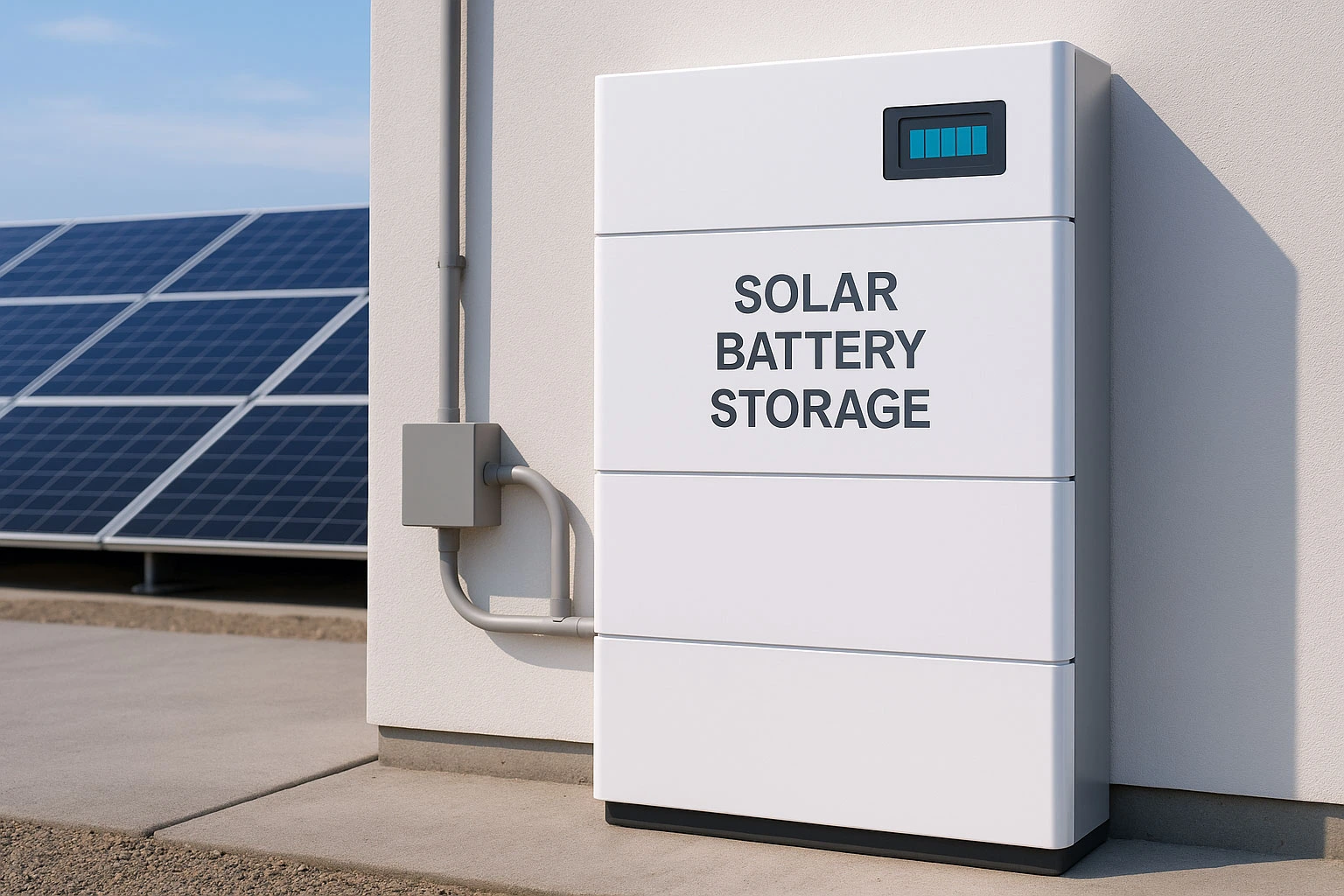
Four ways commercial battery storage improves operational control.
Commercial battery storage helps facilities reduce peak demand charges, improve operational resilience and gain greater control over how and when electricity is used. From backup power to demand management and grid participation, battery storage is becoming a core part of modern energy strategy.
Reduce peak electricity costs.
Battery systems discharge during high-demand periods to reduce utility demand charges and improve long-term electricity cost control.
Keep critical operations running.
Battery storage helps keep critical systems, refrigeration, production equipment and facility operations running during outages and grid interruptions.
Turn flexibility into ongoing revenue.
Commercial battery systems can participate in utility and grid-service programs, generating additional value through demand response and energy market participation.
Prepare for the next energy era.
Battery storage supports electrification, utility rate changes, solar integration and evolving energy infrastructure requirements across commercial facilities.
Green Integrations designs and integrates commercial battery storage systems engineered for operational resilience, peak demand management and long-term facility performance, including feasibility analysis, utility coordination, controls integration and complete project execution with one accountable partner.
How battery storage cuts peak demand charges.
Most commercial and industrial electricity rates bill you for two things: the electricity you use over the month, in kilowatt-hours (kWh), and your highest demand, in kilowatts (kW). In Ontario, demand is typically measured as the highest 15-minute average in the billing period, and the demand charge can make up 30 to 50% of a facility’s electricity costs. One short spike, such as several compressors or a production line starting at once, can set the demand charge for the whole month.
A battery cuts that charge through peak shaving. Its energy management system (EMS) monitors your facility’s demand in real time against a target in kW. When demand approaches the target, the battery discharges and covers the difference, so the utility meter records a lower peak. When the load drops, the battery recharges, usually overnight or in other low-demand hours.
Solar works differently. It lowers the kWh you buy from the grid, but it lowers demand only when your peak falls in hours of strong sun, and another peak can then become the billing peak. Facilities that run around the clock may see limited demand savings from solar. A battery targets the peak itself.
In Ontario, the bill also carries Global Adjustment, the part of the electricity price that pays for the province’s generation and conservation programs. Larger facilities can choose Class A under the Industrial Conservation Initiative (ICI): a facility with an average monthly peak above 1 MW can opt in, manufacturers and greenhouses above 500 kW can opt in, and above 5 MW Class A applies automatically. A Class A facility pays Global Adjustment based on its share of demand in Ontario’s five highest peak hours from May 1 to April 30, and that share sets its charge from July 1 to June 30. A battery that discharges in those hours lowers the share. Our article on the Ontario electricity market explains how Global Adjustment works.

Short pay-back.
Long-term resilience.
Commercial battery storage reduces operating costs, improves energy flexibility and generates attractive long-term returns under current Canadian utility and incentive structures.
Payback driven by peak-demand reduction, grid-service revenue and stacked Canadian incentives.
Battery systems are designed for daily cycling and long-term operational use, with warranty-backed performance across the project lifecycle.
Battery storage designed around how your facility uses power.
Commercial battery storage is designed around when and how your facility uses electricity. Utility interval data helps identify peak demand periods, operational patterns and where storage can create the strongest financial return.
Assess
A detailed review of utility bills and interval consumption data determines whether battery storage is a strong fit for the facility’s electricity rate structure, operating profile and peak-demand behaviour.
Design
A battery storage system is designed around the building electrical infrastructure, facility load profile, utility rate schedule and site conditions. A detailed financial analysis outlines projected savings, market revenues, incentives and investment performance.
Install
Licensed electricians complete the battery storage installation, while utility coordination, commissioning and system integration are managed through a single project delivery process. Where battery storage is paired with solar, both systems are commissioned together for optimized performance.
Operate
Battery storage performance is monitored against the facility’s demand profile, electricity rate structure and market participation strategy. System settings are optimized over time as operational and utility conditions evolve.
How we size a commercial battery system.
Every battery has two ratings. Power, in kW, is how fast it can deliver electricity. Energy capacity, in kWh, is how much electricity it holds. A 1,000 kWh battery with a 200 kW power rating can run a 200 kW load for about five hours, before efficiency losses.
The right size depends on the job the battery has to do, so we start there:
Daily peak shaving needs enough kW to cover the height of your peaks and enough kWh to cover how long they last.
A Class A strategy in Ontario needs more kWh for each kW, because Global Adjustment peaks are measured over full hours and the exact hours are not known in advance.
For backup power, we size the battery on the critical loads that must keep running and the number of hours they must run.
For demand response, we size it on the kW your facility commits to the program.
We analyze 12 months of 15-minute interval data from your utility, which shows the height, length and timing of every peak. We also check the space for the battery and whether your electrical service and the utility transformer have the capacity for it. Our financial model accounts for the capacity a battery loses over the life of the system.
Commercial systems range from cabinets of under 100 kWh to containers of several megawatt-hours (MWh), and several units can run together on larger sites.
Battery safety, codes and approvals.
Commercial battery systems are installed under Section 64 of the Canadian Electrical Code. In Ontario, that is the Ontario Electrical Safety Code (OESC), whose Rules 64-900 onward cover energy storage systems, and the installation needs an ESA (Electrical Safety Authority) permit and inspection. The ESA also specifies that energy storage systems must be approved under OESC Rule 2-024 and Ontario Regulation 438/07 before use or sale in Ontario.
The storage rules are based in part on UL 9540, the safety standard for energy storage systems, and UL 9540A, which tests how a battery behaves in a fire, and how a single cell’s thermal failure affects the rest of the battery.
We plan separation distances and fire suppression to the local fire and zoning rules. The system’s own heating and cooling is designed to keep the cells in their operating temperature range indoors or outdoors, through Canadian winters and summers.
High demand operations. Strong storage economics.
Battery storage delivers the strongest returns in facilities with high demand charges, peaky load profiles, critical operational equipment or utility rate structures that reward flexibility. The assessment starts with understanding how and when the facility uses power.
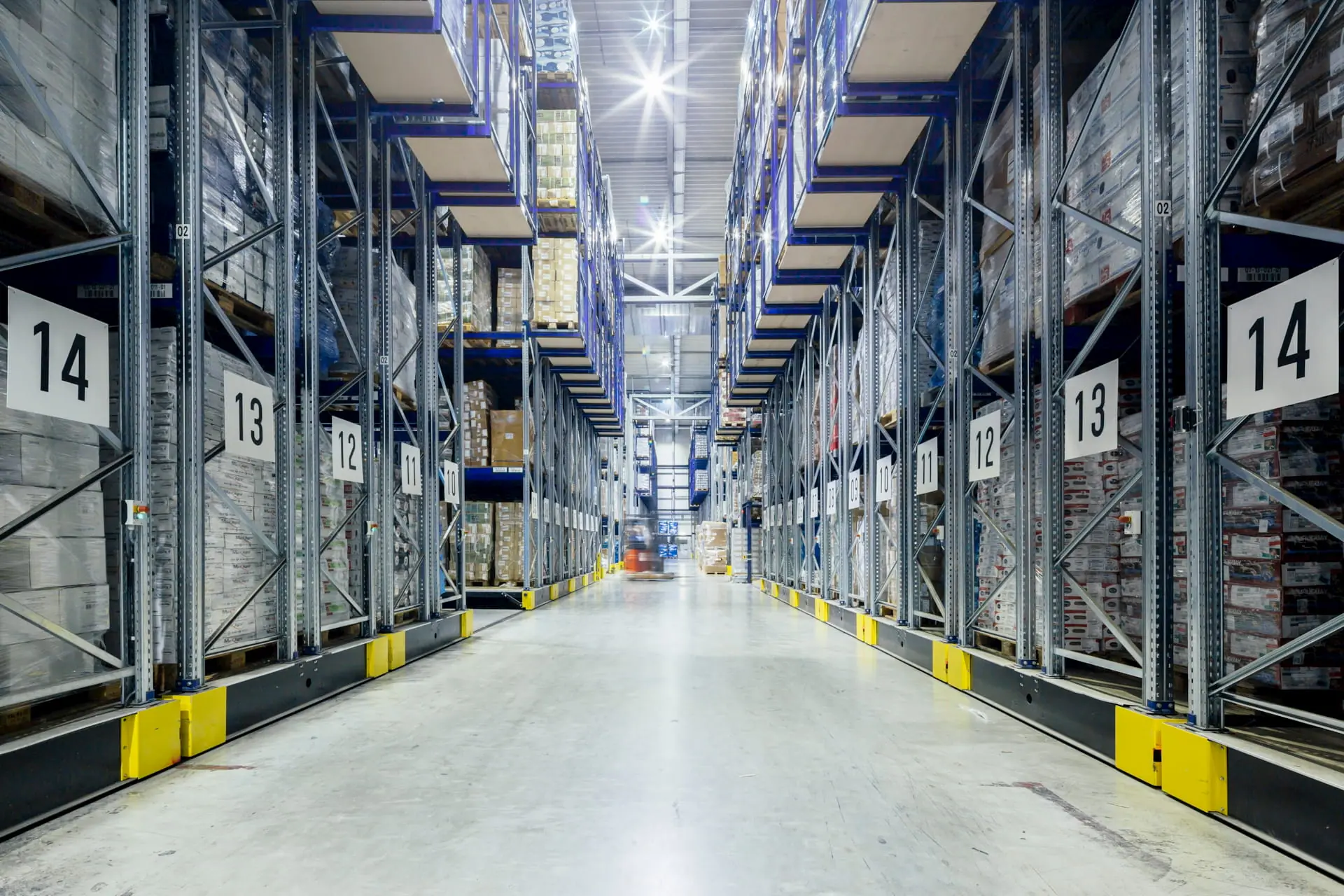
Cold Storage & Logistics
Refrigeration-heavy facilities with stable high electrical demand are strong candidates for demand-charge reduction and Ontario Class A / ICI participation.
Cold storage · Refrigerated logistics · Distribution centres
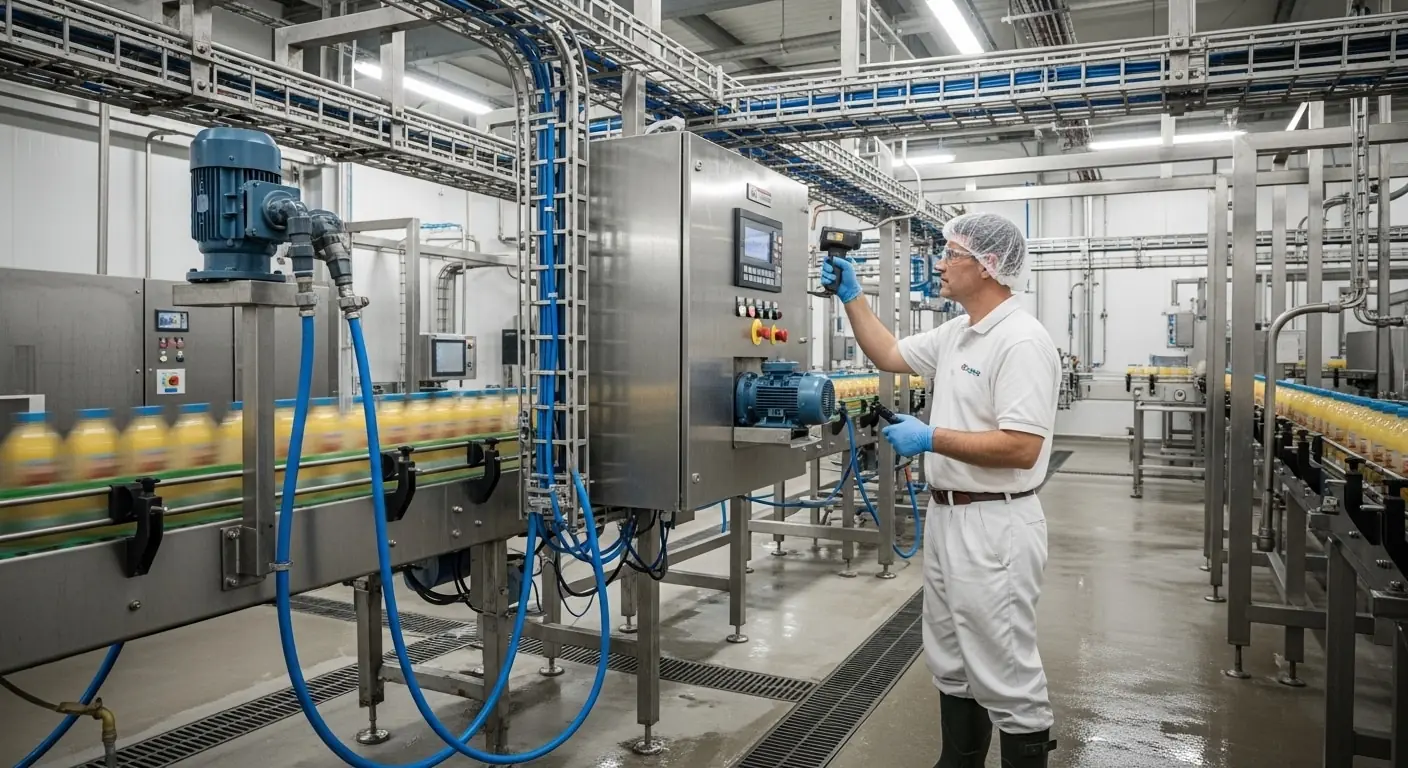
Food & Beverage
Continuous production schedules, refrigeration systems and process-critical operations create strong opportunities for peak reduction without disrupting throughput.
Food processing · Beverage manufacturing · Cold-chain operations
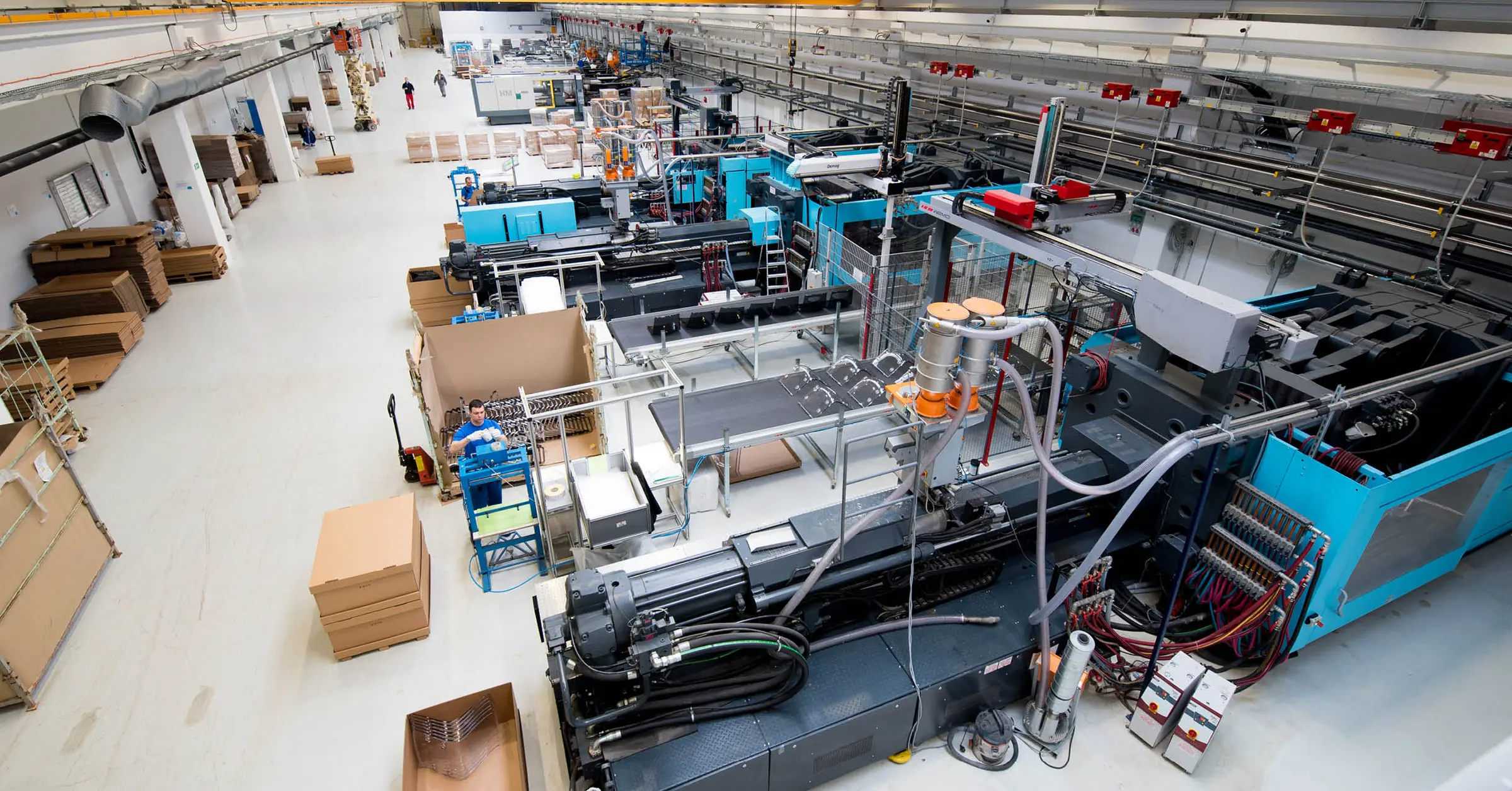
Plastics Manufacturing
Injection molding and continuous process equipment create sharp electrical peaks. Battery backup and power conditioning help reduce downtime, scrap risk and production interruptions from voltage events.
Injection molding · Extrusion · Process manufacturing
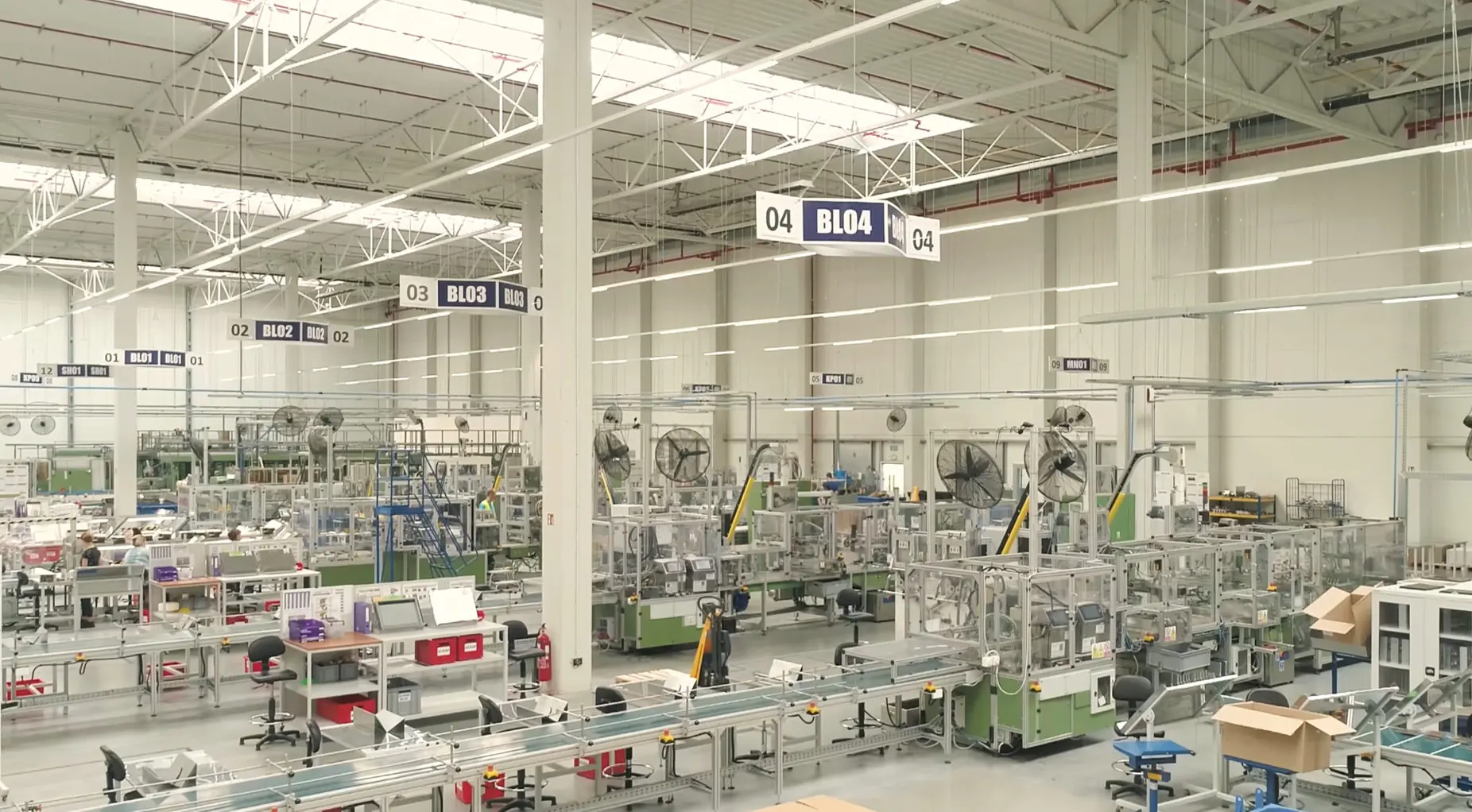
Packaging Facilities
Packaging lines, compressed air systems and motor-heavy equipment often produce concentrated demand spikes that battery storage can strategically reduce.
Packaging lines · Converting · Industrial automation
Not sure where your facility fits? That's usually the right place to start a conversation. A 20-minute call is enough to map your demand profile against the right scope of work.
Delivered on schedule with minimal operational disruption.
The team worked safely, efficiently, and around our operations. Execution was clean, organised, and aligned with the project timeline.
Services that strengthen the storage case.
Each solution integrates into the same long-term energy strategy, helping facilities evaluate demand reduction, on-site generation and future electrification opportunities together.
Frequently asked questions.
Answers on battery storage costs, sizing, solar, incentives and backup power across Canada.
A battery energy storage system (BESS) is a set of batteries, an inverter that converts between direct and alternating current, a battery management system that protects the cells and an energy management system (EMS) that decides when to charge and discharge. In a commercial building, the EMS uses that control to cut peak demand, shift electricity use to cheaper hours, take part in grid programs and keep critical loads running in an outage.
It lowers three parts of the bill: the monthly demand charge, by discharging during your facility’s peaks; Global Adjustment for Class A facilities in Ontario, by discharging in the province’s peak hours; and energy costs, by charging when electricity is cheap and discharging when it is expensive, which is called energy arbitrage.
Yes, for the right facility. Storage pays back fastest where demand charges are high, peaks are sharp and predictable, the facility is a Class A customer in Ontario or backup power protects production. Where the load is flat and demand charges are low, the savings are smaller.
Cost depends on the energy capacity in kWh, the power rating in kW, the site work and the utility connection, so we price a system after the demand analysis rather than from a list. As of November 2026, the Clean Technology Investment Tax Credit covers up to 30% of eligible capital costs and, in British Columbia, BC Hydro’s Energy Storage Incentive can cover up to 80% of eligible costs.
Demand response programs run by the Independent Electricity System Operator (IESO) pay commercial and industrial (C&I) facilities to reduce electricity consumption during periods of peak grid demand. Battery storage lets a facility do this without disrupting operations.
In Ontario, the IESO runs demand response and capacity programs that compensate facilities for being available to reduce load when the grid is under stress. Traditionally, this meant shutting down equipment or curtailing operations.
With battery storage, facilities can participate by discharging stored energy during these events, reducing grid consumption while maintaining normal operations.
Storage systems can generate value through:
- Demand response events: Dispatching during peak grid conditions to earn event-based payments
- Capacity programs: Receiving ongoing payments for being available to respond when called upon
- Aggregator participation: Most facilities enroll through a registered aggregator who manages dispatch and market participation
Because these programs are recurring and contract-based, they provide a predictable, ongoing revenue stream that is modelled alongside demand savings in the project economics.
It depends on the economics, site constraints, province and your organization’s goals.
In many provinces, commercial solar is currently the more attractive first investment because it can deliver strong long-term savings, reduce emissions and take advantage of available tax incentives. But battery storage can be the better first step when demand charges are high, grid programs are available, backup power is a priority or the site’s roof is not suitable for solar.
The right sequence should be based on a combined assessment of:
- Solar payback on its own
- Battery storage payback on its own
- Demand charge exposure
- Provincial rate structure and incentive programs
- Roof suitability and electrical capacity
- GHG reduction goals
- Backup and resiliency requirements
- Future electrification plans
For most facilities, the best approach is not choosing solar or storage in isolation. It is modelling both options separately and together to determine which investment should come first, and whether a combined system creates the strongest long-term value. At one large distribution facility, for example, we considered battery storage alongside recommissioning and on-site solar, and solar was the stronger opportunity for that site.
Yes. A battery charges from the grid as easily as from solar, so demand charge savings, Global Adjustment strategies, demand response and backup power all work without panels. Solar adds one more use: storing surplus daytime generation for later.
Yes. A commercial battery can usually be added to a working solar system. It connects through its own inverter, so the existing solar inverters stay in place. Before we size the battery, we check the existing equipment, the electrical service and the terms of the solar system’s utility connection.
As of November 2026, battery storage incentives in Canada come from federal tax measures and, in some provinces, utility programs:
- Clean Technology Investment Tax Credit (ITC): A refundable federal tax credit of up to 30% of eligible battery storage capital costs.
- First-year Capital Cost Allowance (CCA): A 100% deduction in the first year for eligible clean energy equipment that becomes available for use before 2030.
- BC Hydro Energy Storage Incentive: Up to 80% of eligible costs for non-exporting systems of at least 25 kW that join BC Hydro’s demand response under a 10-year contract. Our page on commercial solar in British Columbia covers BC Hydro’s other programs.
Both federal incentives apply to battery storage on its own, and on solar plus storage projects, both systems qualify. Our rebates and incentives guide lists current programs by province.
Commercial battery storage systems commonly operate for approximately 12–15 years, although actual usable life depends on battery chemistry, operating conditions, cycling frequency, depth of discharge and manufacturer warranty terms. A battery may therefore require replacement during the operating life of a commercial solar system.
It depends on what the battery has to do and on the height and length of your peaks. We set the power rating in kW and the capacity in kWh after the demand analysis, before we specify any equipment.
It depends on the load. Divide the battery’s usable kWh by the critical load in kW: a battery with 500 kWh of usable capacity carries a 100 kW critical load for about five hours, before considering efficiency losses. We size backup around the loads that must keep running, such as refrigeration, controls and process equipment, rather than the whole building. We also build the system for outage operation, with switching that separates the facility from the grid.