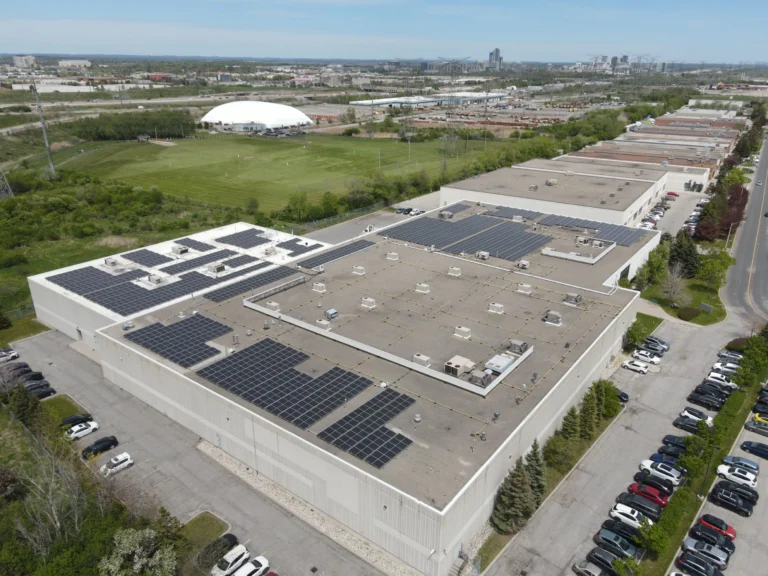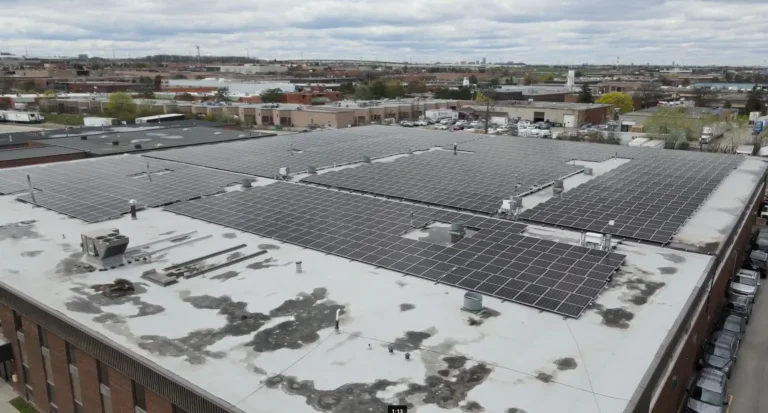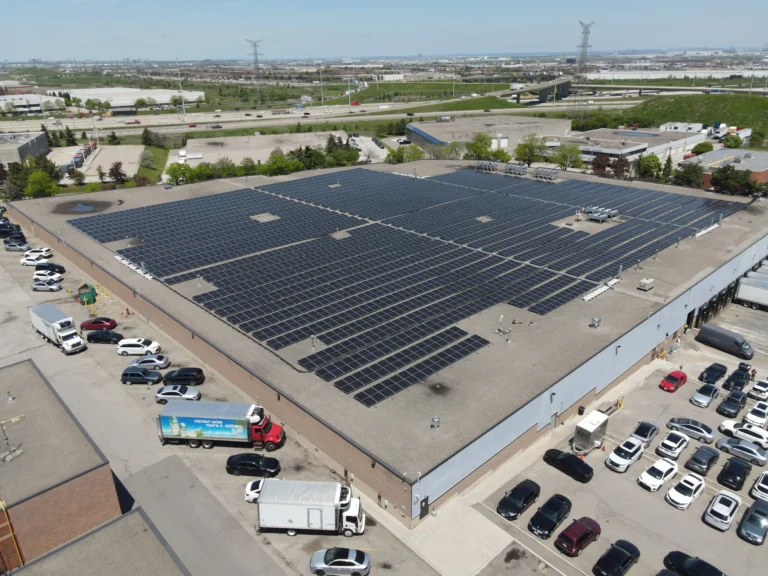

966 kW rooftop solar for a confectionery manufacturer in Newmarket, Ontario
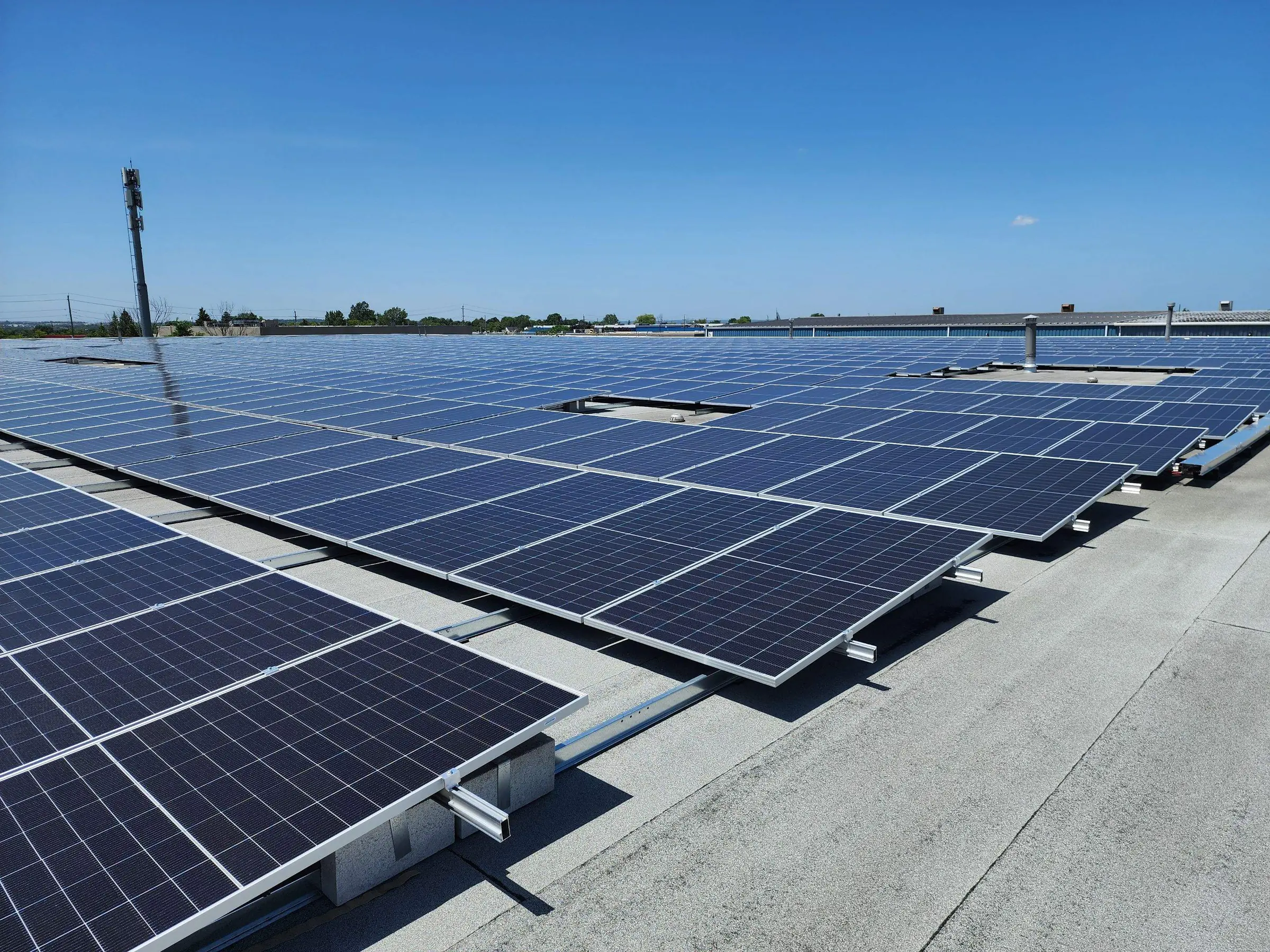
Ce De Candy partnered with Green Integrations to install a 966 kW rooftop solar system at its Newmarket food manufacturing facility. The system generates approximately 1.14 GWh of solar electricity annually and offsets 99.6% of facility electricity consumption, making it one of the largest commercial rooftop solar installations completed in Ontario in 2025.
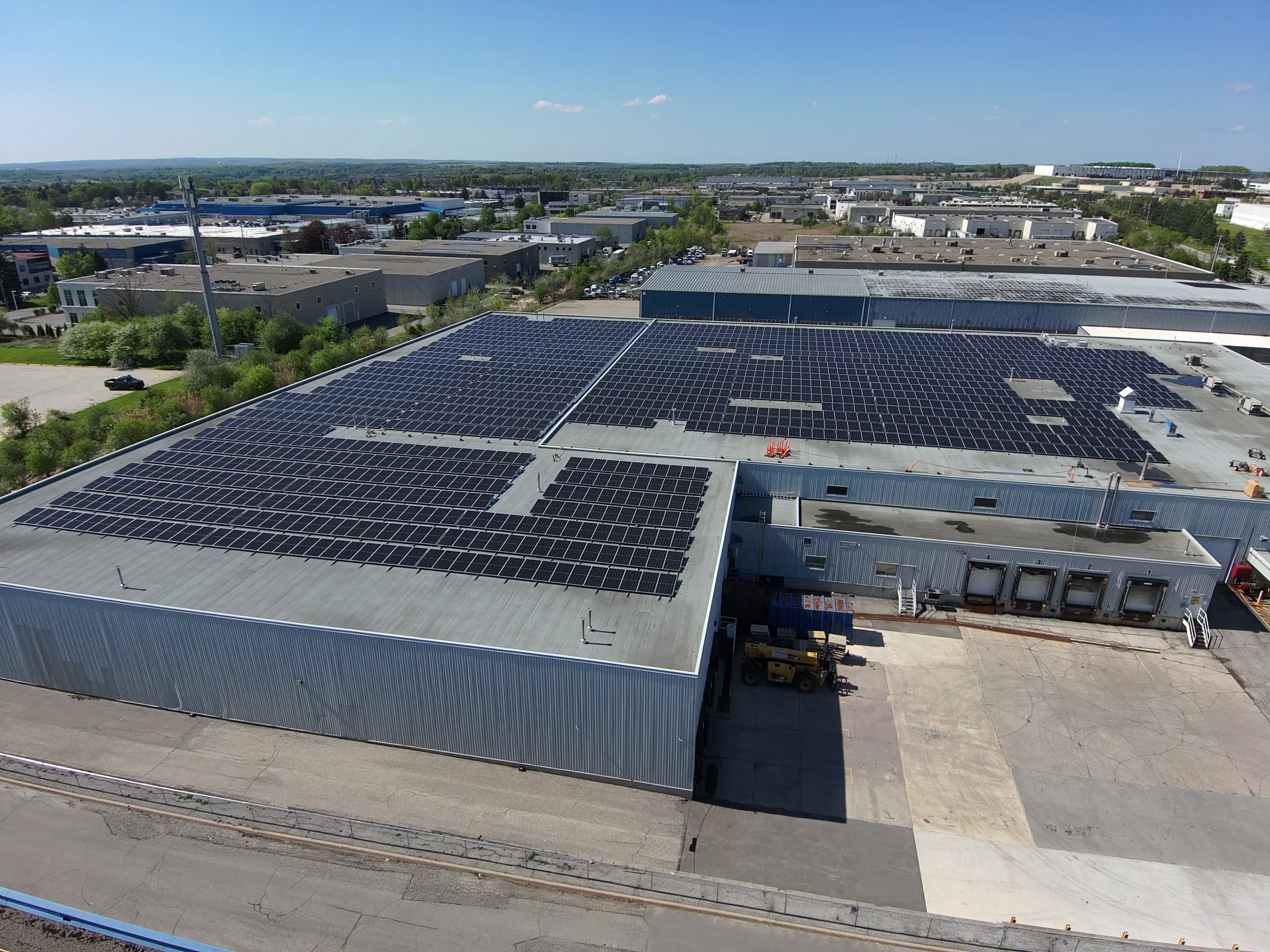
A high daytime load against a roof asset approaching the end of its replacement cycle.
Food and beverage manufacturing facilities operate under demanding electrical and operational conditions. Production lines run continuously, climate control systems operate throughout the day, and downtime is not an option. Electricity demand is both high and predictable, driven by processing equipment, refrigeration, ventilation, and packaging systems that must remain stable at all times.
At the Newmarket facility, the client required a long-term electricity strategy that could reduce exposure to grid pricing while maintaining uninterrupted production. Any solution needed to integrate seamlessly into existing processes, preserve roof integrity, and meet structural safety requirements related to wind and snow loading. Food safety, operational continuity, and electrical reliability were non-negotiable.
Solar was evaluated not as a marketing initiative, but as infrastructure tied directly to how the facility consumes electricity every day.
Size to the service. Mount without penetrations.
A custom-engineered rooftop solar system was designed around the facility’s manufacturing load profile and operational constraints. System capacity, layout, and electrical integration were planned to prioritise on-site consumption rather than exporting electricity to the grid.
A south-facing array orientation was selected to support consistent output, while system sizing was calibrated to match the facility’s annual electricity consumption profile. The result is a rooftop solar system that functions as a core electricity asset rather than a supplemental add-on.
The numbers, then the consequence.
- 011,142,549 kWh of solar electricity generated annually — offsetting 99.6% of the facility's electricity consumption.
- 02965 kW DC system commissioned August 15, 2025 as the most recent and largest phase of an 11-project programme.
- 03$7.2M in verified lifetime savings across all programme phases.
- 04Solar now functions as a core electricity asset, substantially reducing long-term exposure to grid pricing.
Equivalent to removing 16 passenger vehicles from Ontario roads annually.
For the facilities and engineering audience.
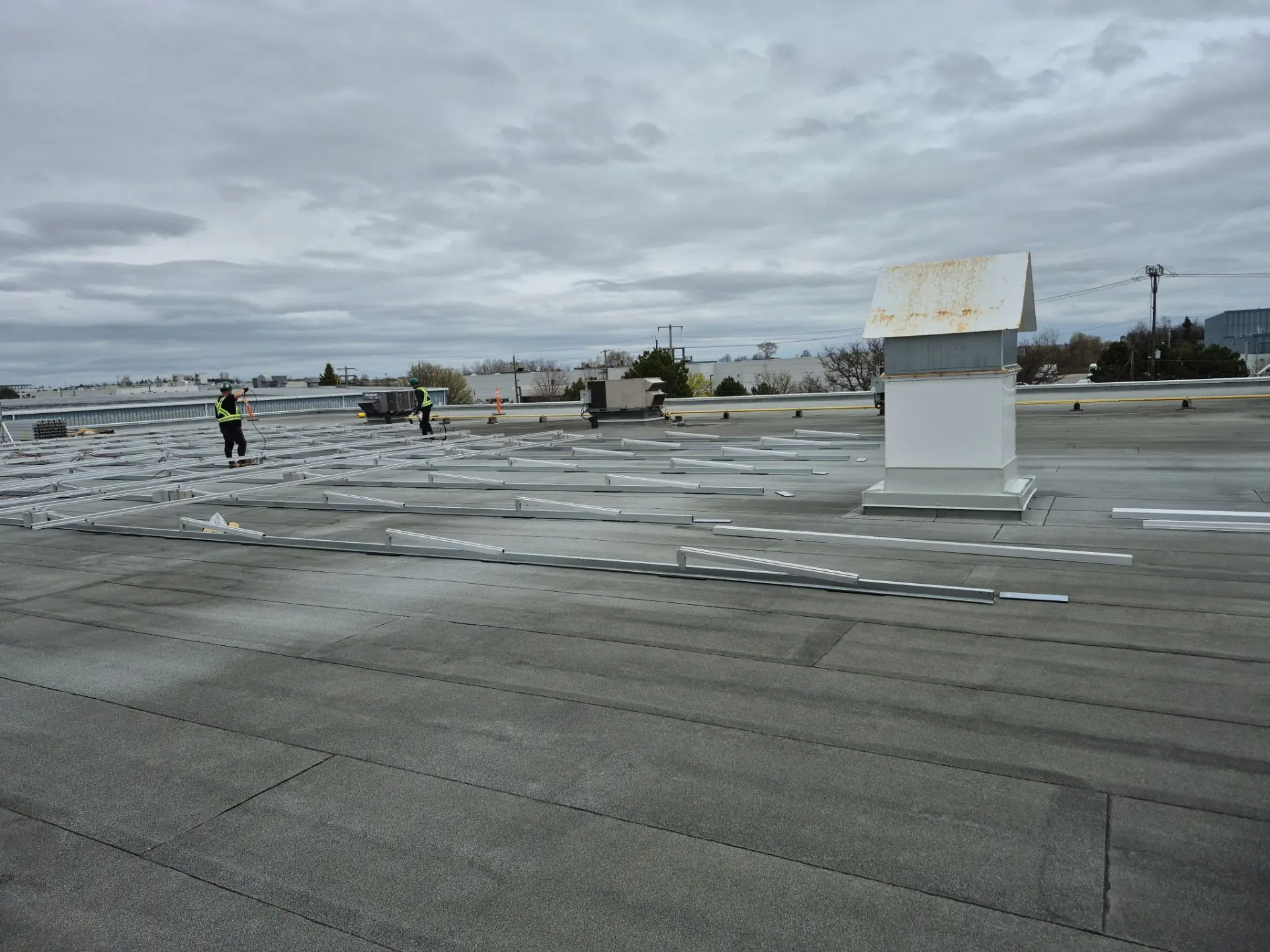
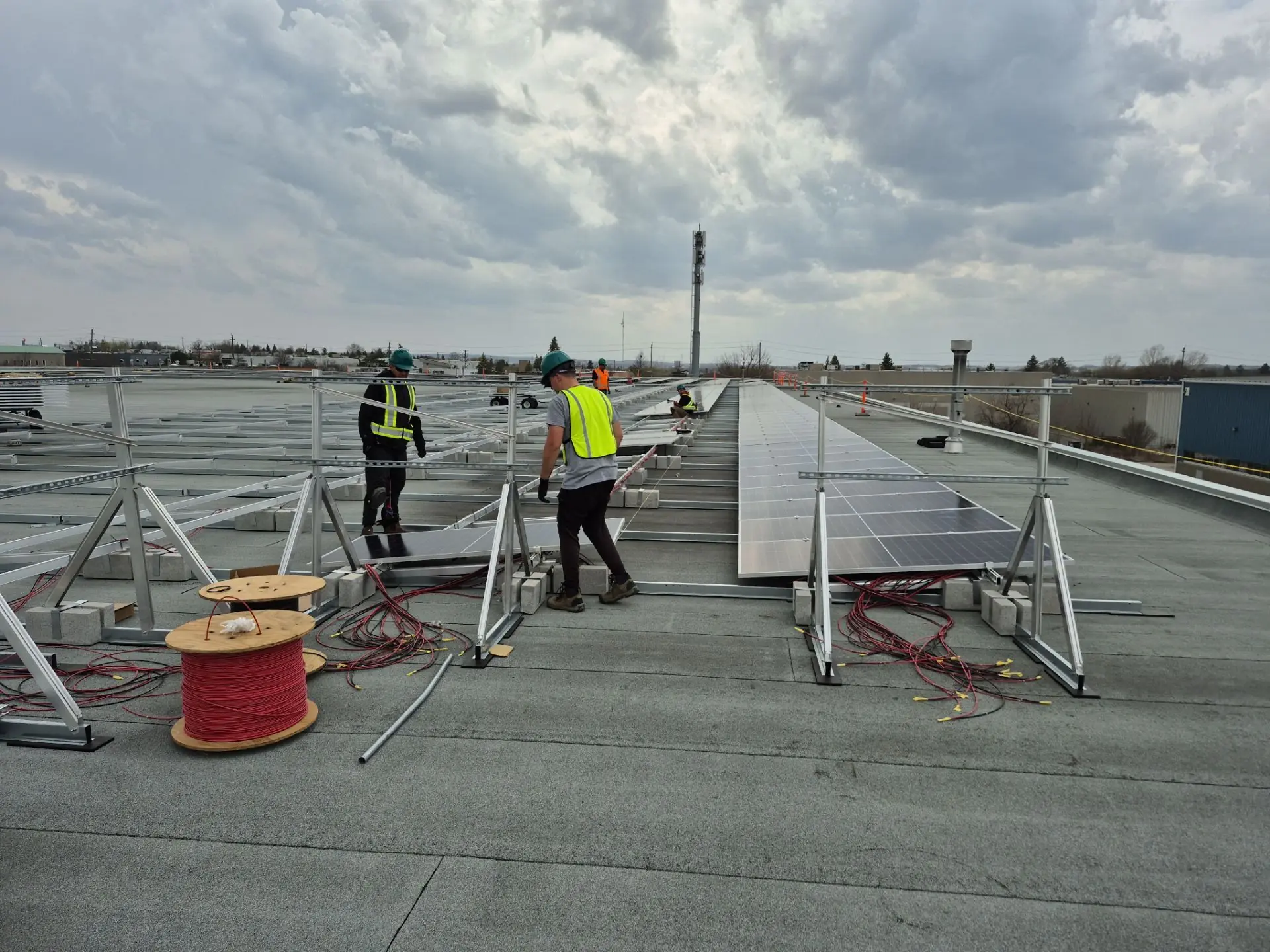
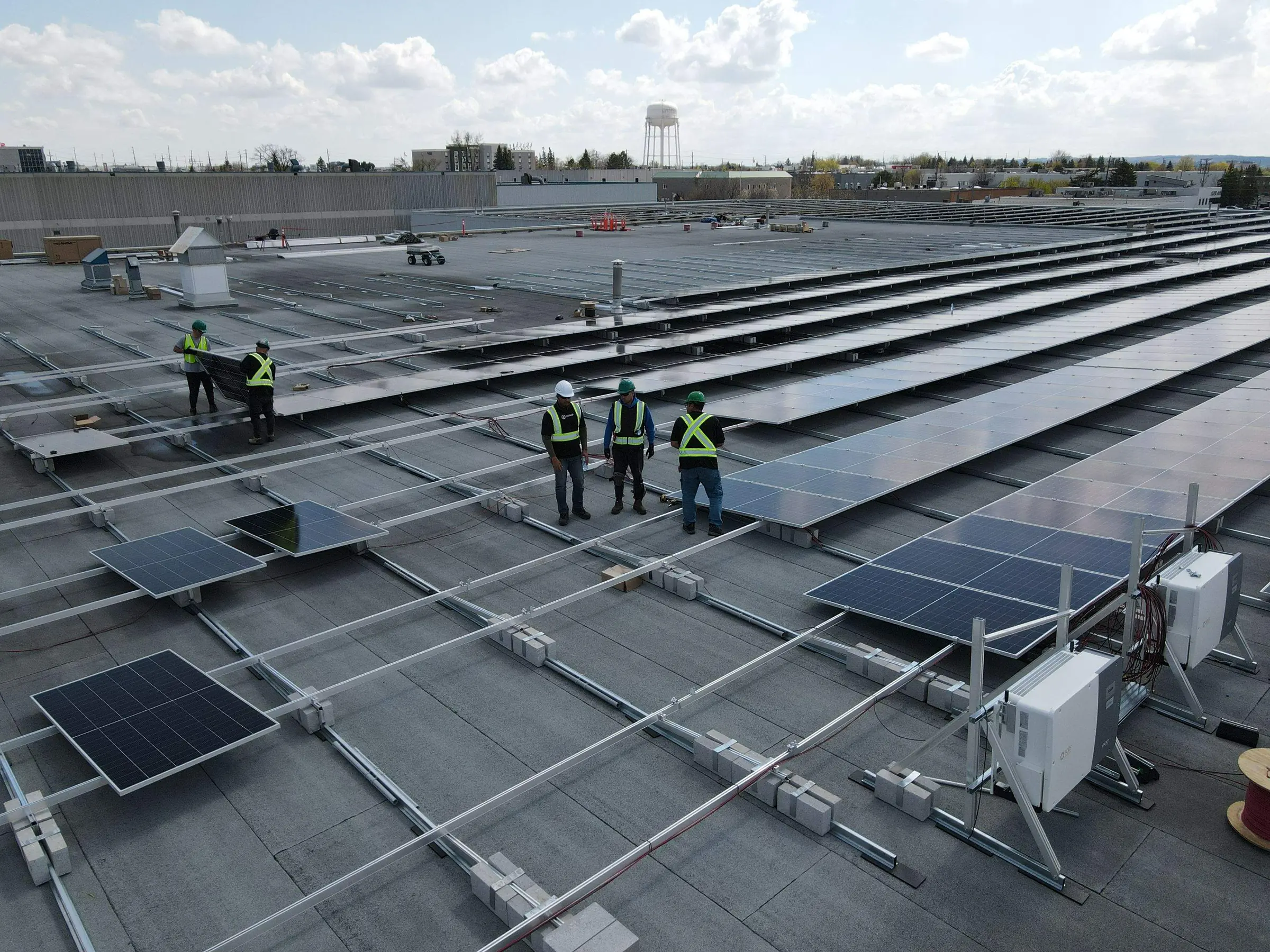
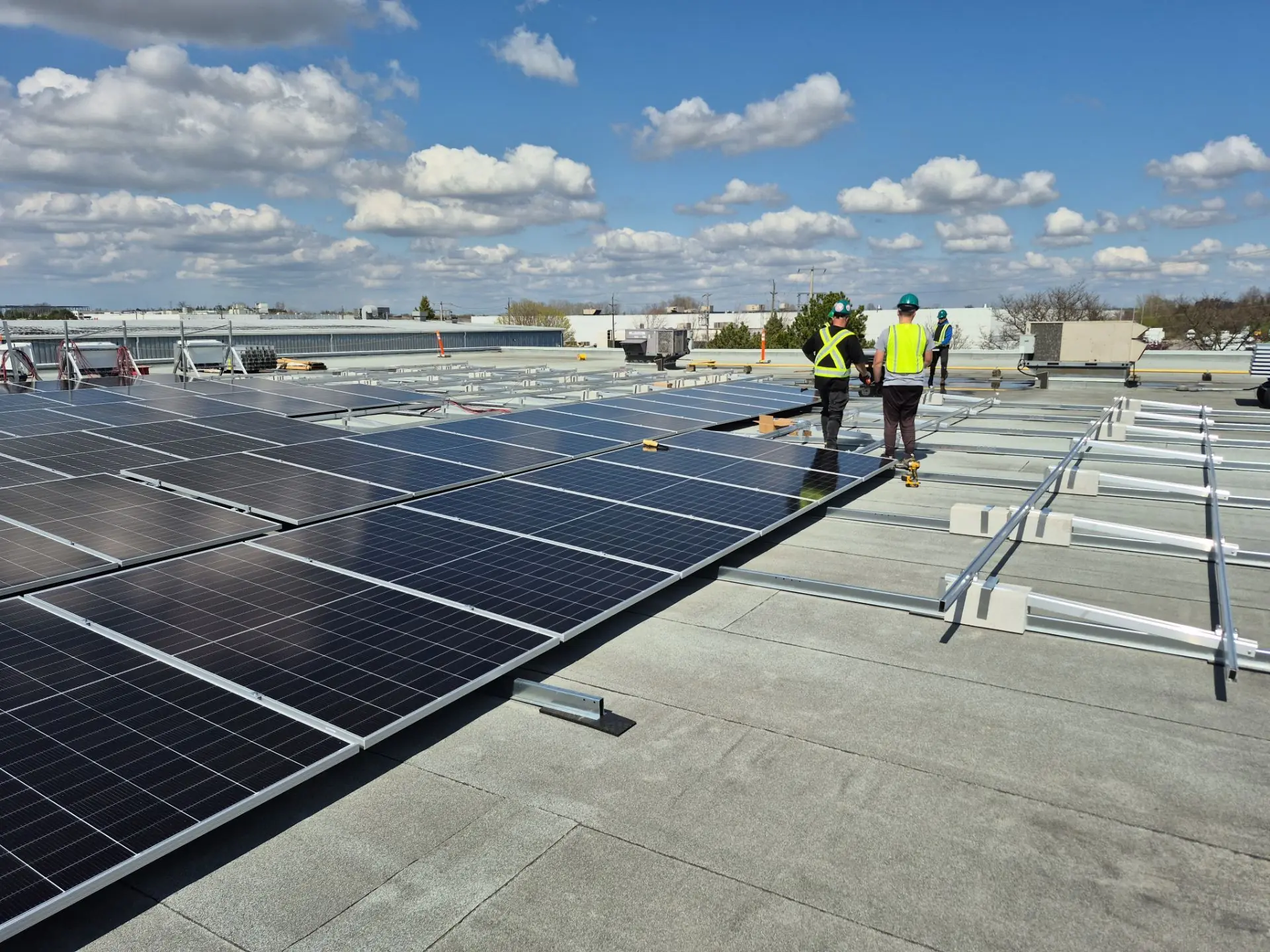
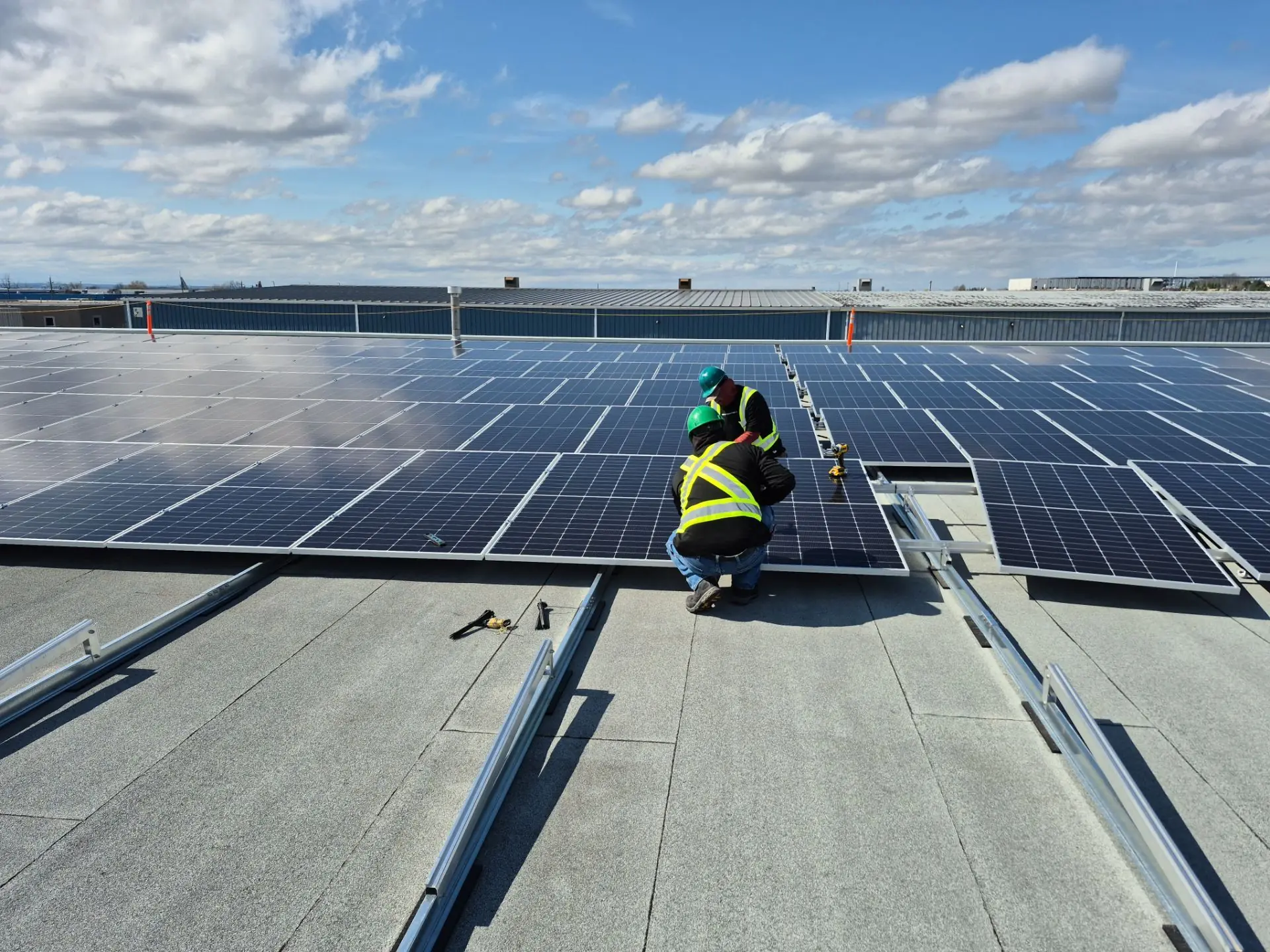
The rooftop solar system consists of a 966 kW DC array paired with 740 kW AC of inverter capacity. A ballasted mounting system was used to protect the roof membrane and avoid penetrations, preserving roof integrity while meeting structural safety requirements.
Structural assessments confirmed the building could safely support the combined load of the solar system, including equipment weight, ballast, and regional wind and snow conditions. The system interconnects under Ontario’s Net Metering program at 600 volts, allowing on-site generation to directly offset grid-supplied electricity.
Commissioning was coordinated with the local utility and the Electrical Safety Authority and completed without disrupting production.
Facility characteristics that shaped the design.
- Continuous production manufacturing facility with high daytime electricity demand
- Significant refrigeration, ventilation, and climate control loads
- Large, uniform rooftop area suitable for ballasted solar deployment
- Predictable annual load profile enabling accurate system sizing and long-term planning
What was installed.
Questions This Project Helps Answer
Every facility has unique operational requirements, infrastructure constraints, and business objectives. These questions highlight some of the considerations, decisions, and lessons that emerged from this project and may help other organizations evaluating similar opportunities.
- Yes. Commercial solar projects can often be planned around active production environments, but the construction plan must account for site access, roof safety, production schedules, food safety requirements, and coordination with facility staff. For food manufacturers, the objective is not only to install the system safely, but to avoid disrupting production, shipping, sanitation, or facility operations.
- Large food manufacturing facilities often have high and consistent electricity demand, but system size is still limited by roof area, electrical infrastructure, utility requirements, structural conditions, and project economics. The best design is not always the largest possible system. It should be sized to deliver strong on-site electricity utilization while fitting safely into the facility's operational and electrical constraints.
- Food manufacturers should evaluate solar as an infrastructure project, not only as a sustainability initiative. The strongest projects are based on actual electricity consumption, production schedules, roof conditions, and long-term operating plans. Early review of utility bills, roof suitability, electrical capacity, and incentive eligibility helps determine whether a large rooftop solar project is practical.
Related Questions
Looking for more information? Explore related questions from our Knowledge Centre covering project planning, technology considerations, incentives, and operational best practices.
Evaluating rooftop solar for a commercial or industrial facility? Understanding how solar aligns with your consumption profile and long-term objectives is the first step.
- ·Roof structural and shading review
- ·Annual production model
- ·Net-Metering interconnection check
- ·Incentive & financing stack
- ·Two-scenario capital plan